Leave Your Message

How to Choose a Vitamin B7 Supplier in 2026

Choosing a Vitamin B7 supplier in 2026 takes more than comparing prices or reading a polished product page. Vitamin B7, also known as biotin, may look like a simple ingredient, but its quality affects formulation, production, and customer confidence. A dependable supplier should provide clear specifications, batch-specific certificates of analysis, and traceability from production through delivery. Ask how identity and purity are tested, and whether testing covers relevant contaminants. Request stability information, too. A neat document is useful, but it is not proof on its own. Where possible, confirm key results through qualified independent testing.

The supplier’s manufacturing controls matter just as much as the ingredient itself. Look for documented quality systems, consistent production records, and direct answers about storage, packaging, and lead times. A sample can reveal practical issues, such as powder handling or variation between lots, but one sample cannot establish long-term consistency. Ask for references or audit evidence appropriate to your business, and check whether the supplier can support your destination market’s requirements. Be cautious of broad health claims or promises that sound unusually certain. Paperwork can look polished and still leave gaps. No checklist removes every risk. Compare suppliers using the same questions, record what remains unverified, and revisit your choice when specifications or production needs change. A little uncertainty is worth acknowledging. It is better than mistaking confidence for evidence.

How to Choose a Vitamin B7 Supplier in 2026

Set Biotin Grade: USP Assay Range Is 97.5%–102.0% on a Dried Basis

When comparing a vitamin B7 supplier in 2026, start with the USP–NF Biotin monograph. It specifies an assay range of 97.5%–102.0% on a dried basis. This is an acceptance range, not a promise that every lot will test at 100%. Dried-basis results account for moisture, so check the reported water content and whether the certificate also lists an as-is result. Request a batch-specific certificate of analysis, the test method, and supporting chromatographic data. Small details matter.

Check whether the laboratory’s ISO/IEC 17025:2017 accreditation covers the relevant testing scope. USP General Chapter <1225> offers guidance on validating compendial procedures, including accuracy and precision. FDA’s 21 CFR Part 111 also sets controls for dietary supplement identity, purity, strength, and composition. These references help frame supplier questions, but they do not replace review of actual batch records. A polished certificate can still leave gaps. Ask who performed the analysis, when it was completed, and how out-of-range results are handled. A supplier that answers clearly is easier to assess than one offering only a broad quality claim.
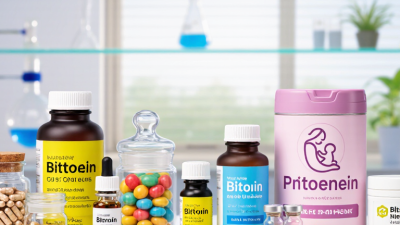

Match Intended Use to NIH’s 30 mcg Adult Adequate Intake for Biotin

When assessing a vitamin B7 supplier in 2026, start with intended use, not headline potency. NIH lists 30 micrograms per day as the adequate intake for adults, including pregnancy; the figure is 35 micrograms during lactation. This benchmark describes typical daily intake, not the amount every product must contain. Important distinction. A capsule, fortified drink, or premix may serve different portions and users. Match the specification to the finished product’s serving size and target population.

Ask suppliers for a current specification, lot-specific certificate of analysis, identity testing, assay results, and contaminant limits. Check whether methods and acceptance ranges are clearly stated. Don’t treat a certificate as proof by itself. Confirm that testing is done by a qualified laboratory, and review storage conditions and retest dates. Biotin’s water solubility alone does not establish stability in a blend. Heat, moisture, packaging, and other ingredients can matter. Small details count.

For consumer products, verify that the proposed amount reflects the intended serving rather than simply copying the 30-microgram adequate intake. It is a reference, not a maximum or a personalized prescription. People with specific health needs should seek individualized advice from a qualified clinician. Supplier responsiveness matters too: clear answers about traceability and change control are more useful than polished sales language. I would still compare the documents carefully. One neat spreadsheet can hide a gap.

Verify Each Lot’s Identity, Assay, and Traceability Through Its COA

In 2026, choosing a vitamin B7 supplier means checking the lot, not just the sales sheet. Request a current, lot-specific certificate of analysis (COA). It should identify biotin clearly, name the test method, and show the measured assay alongside the specification range. Check the dates. A result without a method or acceptance limits is difficult to assess.

Traceability matters just as much. The COA should match the lot number on the product documents and link to production and testing records. Look for the laboratory’s name, sample date, test date, and authorized reviewer. FDA’s dietary supplement cGMP rule, 21 CFR 111.75, requires identity testing of components, with limited supplier-verification alternatives. That matters. A polished PDF alone does not prove that the tested sample represents the delivered lot.

The Council for Responsible Nutrition’s 2024 Consumer Survey reported that 75% of U.S. adults use dietary supplements, making dependable quality controls more than paperwork. Ask whether identity was confirmed with a suitable method and whether the assay result meets the stated specification. Review any reported impurities and request clarification when units, methods, or limits are missing. Still, verify. Supplier documents can be incomplete, and a COA is only one part of due diligence. Compare it with incoming-lot records and retain the reviewed copy for future checks.

Audit Supplier GMP Controls Against ICH Q7’s API Quality Framework

How to Choose a Vitamin B7 Supplier in 2026

For Vitamin B7 supplied as an active pharmaceutical ingredient, assess the supplier against ICH Q7, not just a polished certificate. The guideline’s quality framework covers personnel, documentation, materials, production, laboratory controls, and change management. Ask to trace one biotin batch from incoming raw-material records through testing, release, and retained-sample storage. Check that deviations show investigation and corrective action, not merely closure dates.

Paperwork can look perfect.

ICH Q7 sections 6, 11, and 13 address records, laboratory controls, and change control. During an audit, compare test methods with the current specification and review chromatograms for atypical results. Confirm that out-of-specification results are investigated before retesting or release.

WHO’s 2017 report on substandard and falsified medical products estimated that about one in ten medical products in low- and middle-income countries may be substandard or falsified. That broad estimate is not specific to biotin, but it underlines why supplier controls matter.

Also inspect temperature logs, equipment maintenance records, and access controls around electronic data. Interview operators, too; a procedure is only useful when people can explain it. I would pause if supplier approval relies on a questionnaire alone.

One limitation: a brief site visit cannot verify every batch or system. Record open questions, assign owners, and follow up with evidence before qualification.

Confirm U.S. Supplement GMP Compliance Under 21 CFR Part 111

How to Choose a Vitamin B7 Supplier in 2026

Confirm U.S. Supplement GMP Compliance Under 21 CFR Part 111

A Vitamin B7 supplier should provide more than a polished certificate. Ask which activities it performs and whether 21 CFR Part 111 applies to them. The rule sets requirements for manufacturing, packaging, labeling, and holding dietary supplements. Compliance is not FDA approval. Request recent audit findings, written quality procedures, and records showing how deviations are investigated and corrected.

Check batch-specific documentation. The certificate of analysis should identify the B7 form, lot number, test methods, and results. Ask how the supplier confirms ingredient identity, controls contamination risks, and maintains traceability from incoming material to shipped lot. Review stability data and storage instructions, too. Small details matter. A clean-looking document does not prove that production controls work consistently.

The Council for Responsible Nutrition’s 2024 Consumer Survey reports that 75% of U.S. adults use dietary supplements. That broad use makes dependable quality controls especially important. Ask to see a sample batch record, then compare it with the supplier’s written procedures. Do the dates, approvals, and test results line up? Paperwork can look tidy; real production is messier. I would still verify the evidence through a qualified audit, and record any gaps before placing an order.