Choosing reliable Vitamin B12 Tablets suppliers in China requires more than comparing prices or viewing polished product photos. A dependable supplier should provide clear ingredient specifications, batch testing records, stability data, and traceable manufacturing information. Buyers should also examine dosage options, tablet appearance, packaging quality, minimum order quantities, and export experience. A clean factory tour is useful, but it proves only one moment in time.
Professor Ralph Carmel, a widely recognized authority on cobalamin deficiency, stated, “The diagnosis of cobalamin deficiency is often difficult.” His warning matters to buyers and manufacturers alike. Vitamin B12 Tablets must be produced consistently, while product descriptions should avoid exaggerated health claims. Supplier communication should also be precise. Can the company explain cyanocobalamin and methylcobalamin differences? Can it provide a current certificate of analysis for each batch? These questions reveal practical expertise.
This guide reviews ten China-based suppliers through a quality-focused lens. It considers manufacturing standards, testing transparency, formulation capability, packaging services, and customer support. Certifications alone are not enough. Documents may be incomplete, outdated, or difficult to verify. That deserves attention.
No supplier is perfect.
Some companies may offer excellent formulation but limited customization. Others may provide flexible packaging while lacking strong international documentation. Buyers should confirm regulatory requirements in their target markets before signing contracts. Product quality, evidence, and honest communication should outweigh attractive claims. The best supplier is not automatically the cheapest. It is the partner that can repeatedly deliver safe, accurately labeled Vitamin B12 Tablets with accountable support.
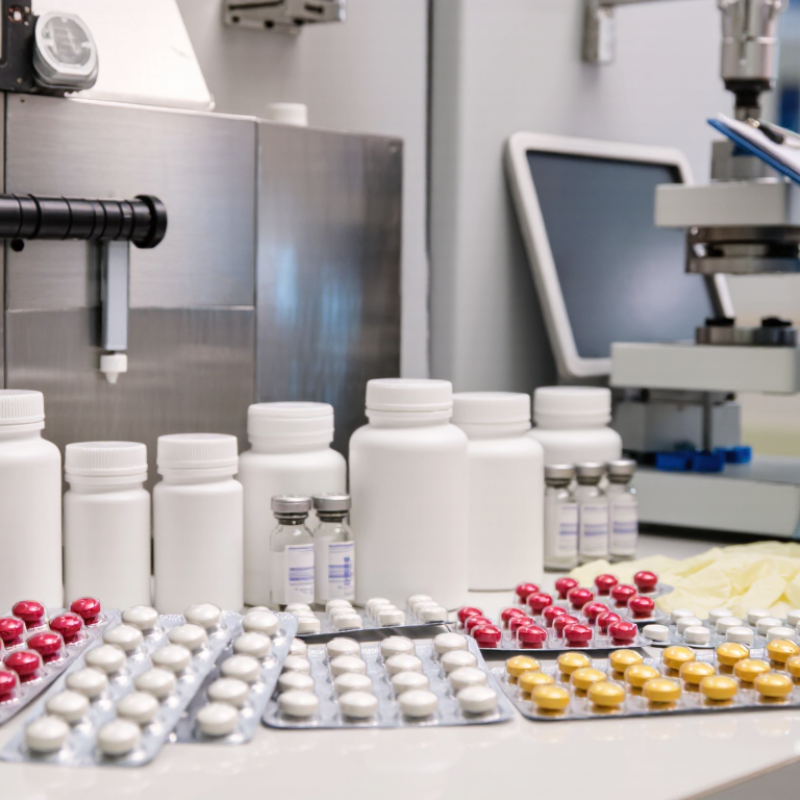
Vitamin B12 is a water-soluble nutrient made naturally by microorganisms. It helps maintain red blood cells, normal nerve function, and DNA production. The body stores B12 in the liver, so deficiency may develop quietly over time. Fatigue alone does not confirm a deficiency. Blood testing and professional advice provide stronger evidence, especially for older adults, vegans, and people with absorption problems.
B12 tablets matter because they offer a measured, convenient intake without refrigeration. Common forms include cyanocobalamin and methylcobalamin. Both can be useful, but the better choice depends on personal needs and medical guidance. Sublingual tablets are not automatically superior. Convenience is not quality. A practical tablet should have a clear dosage, readable expiry date, suitable storage instructions, and controlled manufacturing records. Reliable suppliers should provide certificates of analysis, batch traceability, stability data, and contaminant testing.
Moisture can damage tablets, so sealed blister packs or tight containers are valuable. A careful review also checks unnecessary sweeteners, allergens, and confusing dosage language. A tablet can look excellent and still fail a quality test. Packaging proves little by itself. I would also avoid choosing only by price, because cheaper materials or weak testing may create hidden risks. People taking certain medicines, managing kidney conditions, or preparing for pregnancy should discuss B12 use with a qualified healthcare professional.

Choosing among China’s vitamin B12 tablet suppliers requires more than comparing price lists. Start with manufacturing qualifications, quality systems, and product traceability. Request current certificates, factory audit reports, and batch-specific certificates of analysis. The report should identify vitamin B12 content, microbial limits, heavy metals, tablet weight, and test methods. Generic documents are a warning sign.
Look closely at the production site. Are raw materials labeled with lot numbers? Are temperature and humidity controlled during storage? Can the supplier explain its stability testing under realistic conditions? Ask for samples from different batches, not only one attractive sample. Independent laboratory verification can confirm potency and contamination controls. It also reveals weaknesses that paperwork may hide. This step costs more, but it can prevent expensive recalls and customer complaints.
Communication quality matters, too. A reliable supplier answers technical questions clearly and records changes in formulation, packaging, or suppliers. Check whether the factory supports consistent dosage, child-resistant packaging when needed, and export documents for your target market. Do not treat ISO or GMP certificates as automatic proof of excellent tablets; certificates require context and current verification. I would also review complaint handling and corrective-action records, although suppliers may share limited details. That limitation itself deserves attention. The strongest partner is not always the largest factory, but one that provides evidence, accepts scrutiny, and admits where improvement remains necessary.
China’s top 10 vitamin B12 tablet suppliers should be judged by evidence, not attractive websites. Experienced buyers usually examine manufacturing licenses, GMP compliance, batch records, and recent certificates of analysis. A reliable supplier can explain the vitamin B12 form, tablet strength, excipients, shelf life, and storage conditions clearly.
The strongest candidates typically operate controlled production lines with documented cleaning procedures and traceable raw materials. They can provide assay results, microbial testing, heavy-metal reports, and stability data for each batch. Independent laboratory verification adds useful confidence. Still, one certificate is not enough. Documents should match the product code, production date, and packaging details.
Practical buyers also compare minimum order quantities, sample timelines, private-label support, and export experience. A responsive technical team matters when tablets arrive with chipped edges, uneven color, or unclear labels. Some suppliers offer excellent pricing but weak after-sales communication. Others answer quickly yet provide limited testing evidence. That is where careful judgment becomes necessary. My shortlist would remain provisional until samples, factory records, and shipment consistency are checked. The best supplier is not always the largest one. It is the company that repeatedly delivers compliant tablets, accurate documents, and stable quality under real purchasing conditions.
| Rank | Anonymous Supplier Code | Common Vitamin B12 Form | Typical Strength Range | Tablet Options | Quality Documents to Request | Customization Capability | Packaging Options | Export Readiness Check | Buyer Assessment |
|---|---|---|---|---|---|---|---|---|---|
| 1 | Supplier Profile 01 | Cyanocobalamin or methylcobalamin | 25–1,000 mcg | Standard, chewable, or sublingual | COA, specification sheet, stability data, GMP evidence | Private label and formula adjustment subject to quotation | Blister, bottle, sachet, and bulk packaging | Confirm certificates, labeling, language, and destination regulations | High-potential |
| 2 | Supplier Profile 02 | Methylcobalamin | 250–1,000 mcg | Direct-compression tablets | COA, allergen statement, microbial limits, heavy-metal test | Tablet color, shape, coating, and label customization | HDPE bottles and aluminum blister packs | Verify product registration and importer documentation | High-potential |
| 3 | Supplier Profile 03 | Cyanocobalamin | 25–500 mcg | Plain or film-coated tablets | COA, batch records, shelf-life data, GMP documentation | Basic OEM packaging and tablet specifications | Blister cards, cartons, and bottles | Check customs classification and required health claims | Suitable |
| 4 | Supplier Profile 04 | Methylcobalamin or combined B-vitamin formula | 100–1,000 mcg | Chewable and coated tablets | COA, nutritional analysis, allergen and non-GMO statements | Flavor, sweetener, color, and tablet-size options | Child-resistant bottles and retail cartons | Confirm permitted ingredients in the destination market | Suitable |
| 5 | Supplier Profile 05 | Cyanocobalamin | 50–1,000 mcg | Standard tablets and bulk tablets | COA, identity testing, assay results, microbial testing | Bulk supply and customer-specific packaging | Bulk drums, bags, bottles, and blister packs | Request export references and shipping documentation | Suitable |
| 6 | Supplier Profile 06 | Methylcobalamin | 250–1,000 mcg | Sublingual or fast-dissolving tablets | COA, dissolution data, stability report, GMP evidence | Dissolution profile, flavor, and format customization | Foil blister and moisture-protective bottles | Validate dosage, claims, and local supplement requirements | Suitable |
| 7 | Supplier Profile 07 | Cyanocobalamin or methylcobalamin | 25–1,000 mcg | Plain, coated, or chewable tablets | COA, raw-material traceability, allergen statement | Label design and packaging customization | Bottles, blister packs, and cartons | Confirm minimum order quantity and delivery terms | Verify further |
| 8 | Supplier Profile 08 | Cyanocobalamin | 50–500 mcg | Standard compressed tablets | COA, assay, microbial limits, packaging compatibility data | Limited customization subject to batch size | Bulk, bottle, and blister packaging | Review export licenses and destination-market labeling | Verify further |
| 9 | Supplier Profile 09 | Methylcobalamin or blended formula | 100–1,000 mcg | Chewable, coated, or flavored tablets | COA, ingredient declaration, stability and sensory data | Flavor and appearance customization | Retail bottles and blister packs | Check ingredient restrictions and permitted claims | Verify further |
| 10 | Supplier Profile 10 | Cyanocobalamin or methylcobalamin | 25–1,000 mcg | Standard tablets and custom formats | COA, product specification, batch-release records | OEM and private-label options subject to confirmation | Blister, bottle, carton, and bulk packaging | Confirm production capacity, lead time, and shipping terms | Verify further |
Note: Anonymous supplier codes are used instead of company or brand names. Dosage ranges and product formats are common industry specifications; final availability, certifications, minimum order quantities, pricing, and lead times should be confirmed directly with each supplier.
When comparing China’s top 10 vitamin B12 tablet suppliers, begin with evidence, not catalog claims. The NIH Office of Dietary Supplements lists 2.4 micrograms as the adult daily requirement, yet many tablets contain far higher amounts. Therefore, potency testing and clear dosage labeling deserve close review. Request a recent certificate of analysis showing identity, assay, microbial limits, heavy metals, and disintegration results. A single passing sample is not enough.
Manufacturing quality should match documented systems. Check whether the facility follows China GMP requirements and internationally recognized quality standards, such as ISO 22000 or a credible third-party certification. The FDA’s dietary supplement cGMP rule, 21 CFR Part 111, emphasizes specifications, batch records, and quality control testing. Ask suppliers to show anonymized batch records, stability data, recall procedures, and laboratory qualifications. Independent testing is stronger than an internal promise. Still, certificates can expire.
Capacity also needs practical verification. The supplier should disclose annual tablet output, production-line count, packaging capability, minimum order quantity, and normal lead time. Compare these figures with the company’s recent export history and audit trail. Grand View Research valued the global dietary supplements market at approximately USD 177.5 billion in 2023, showing intense demand and pressure on supply chains. Large capacity does not automatically mean better quality. A factory may produce millions of tablets but provide weak traceability. Request a pilot batch, inspect tablet weight and packaging seals, and repeat testing before signing a long-term agreement.
Choosing among China’s top 10 vitamin B12 tablet suppliers requires more than comparing prices. Start with product evidence, not attractive catalog images. Request recent certificates of analysis, ingredient specifications, stability data, and batch traceability records. Confirm whether the tablets match your market’s dosage, labeling, packaging, and import requirements. A reliable supplier should explain testing methods clearly and provide consistent documentation.
During supplier evaluations, I also inspect manufacturing experience, quality controls, production capacity, and communication speed. Ask for samples from different batches, not only one polished sample. Compare tablet color, hardness, odor, packaging seals, and delivery condition. Check minimum order quantities, lead times, payment terms, and responses to corrective-action requests. A low quotation may hide costly delays. I once focused too heavily on unit price. That shortcut was wrong.
Tips: Build a simple scoring sheet with quality evidence, compliance support, sample consistency, communication, capacity, and total landed cost. Ask who performs independent testing and how rejected batches are handled. Verify documents through appropriate official channels. For new suppliers, begin with a controlled trial order and define acceptance standards in writing. Do not select a supplier because it ranks highly in an online list. Your market, customers, and risk tolerance may require a different choice. Some evaluations remain uncertain, and that uncertainty deserves attention.
This suggested evaluation model prioritizes regulatory compliance, product quality testing, and formulation suitability when comparing Vitamin B12 tablet suppliers. Buyers should also verify certificates, laboratory reports, dosage consistency, minimum order quantities, lead times, packaging capability, and destination-market requirements before making a final decision.