Top 10 Metformin Vitamin B12 Questions Buyers Ask?
Metformin Vitamin B12 questions are becoming more important for diabetes patients, healthcare professionals, and informed supplement buyers. Metformin remains a widely prescribed medicine for type 2 diabetes and is also used in selected clinical situations. However, long-term therapy may reduce vitamin B12 absorption in some patients. The UK Medicines and Healthcare products Regulatory Agency (MHRA) describes reduced B12 levels as a common adverse effect, especially with higher doses or prolonged treatment. The American Diabetes Association’s Standards of Care also advises considering periodic B12 assessment for metformin users, particularly when anemia or neuropathy appears.
The details matter.
A 2024 National Health and Nutrition Examination Survey analysis reported that vitamin B12 deficiency affects a measurable minority of adults, although risk varies by age, diet, medical condition, and medication use. The Diabetes Prevention Program Outcomes Study, published in the Journal of Clinical Endocrinology & Metabolism, also found a relationship between extended metformin exposure and lower B12 levels. These findings support careful monitoring, not automatic supplementation.
The evidence is useful, but not perfectly tidy. Serum B12 alone may not explain every symptom. Fatigue, tingling feet, pale skin, and balance changes can have several causes. Buyers should therefore examine dosage, testing methods, ingredient quality, and professional guidance before choosing a product. This guide addresses the top ten Metformin Vitamin B12 questions, including safety, testing frequency, dosage forms, interactions, and realistic expectations. It does not replace medical advice. A qualified clinician should interpret laboratory results and recommend treatment, especially when nerve symptoms or anemia are present.
What Is the Link Between Metformin and Vitamin B12 Deficiency?
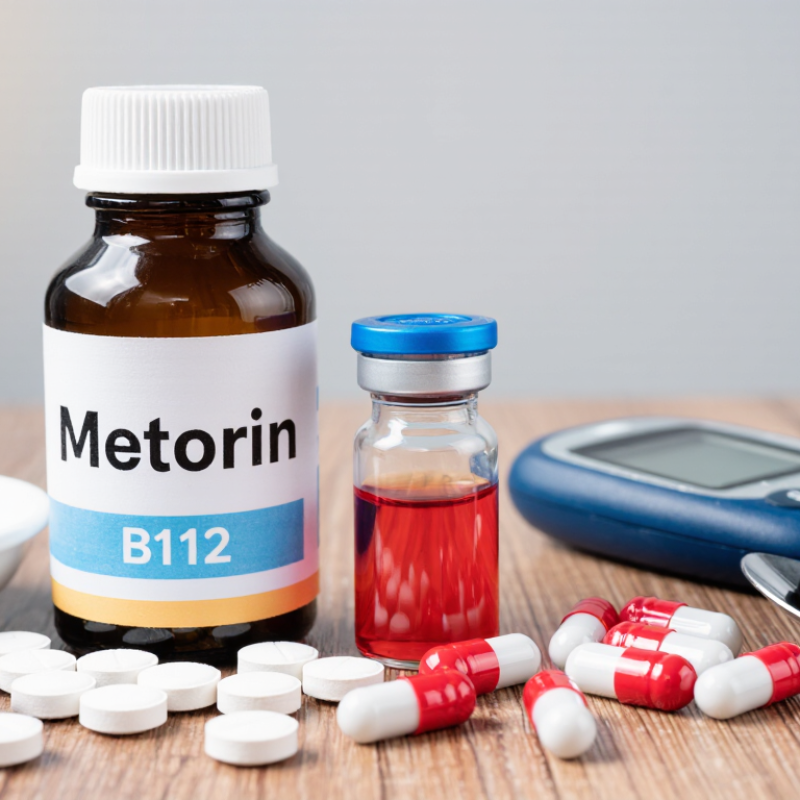
Metformin and vitamin B12 deficiency are linked through reduced intestinal absorption. The risk often rises with higher doses and longer treatment periods. The UK Medicines and Healthcare products Regulatory Agency recognized this concern in its 2022 safety update. It described reduced B12 as a common adverse effect, especially among patients with risk factors.
The Diabetes Prevention Program Outcomes Study reported useful figures. After five years, low B12 occurred in 4.3% of metformin users, compared with 2.3% receiving placebo. Low or borderline levels appeared in 19.1% and 9.5%, respectively. That difference is meaningful, but it does not explain every patient’s experience. Diet, age, anemia, gastrointestinal disorders, and acid-suppressing medicines can also influence B12 status. Fatigue may appear first. Numbness in the feet can follow. Some people report a burning tongue or balance changes. These signs deserve medical assessment, not guesswork. A clinician may check serum B12 and, when results remain uncertain, methylmalonic acid or homocysteine. Periodic monitoring is particularly reasonable for long-term users, older adults, and people with previous deficiency. The evidence is strong, yet testing intervals are not identical across guidelines. That gap deserves more careful discussion. (MHRA, 2022; Aroda et al., Journal of Clinical Endocrinology & Metabolism, 2016)
Top 10 Metformin Vitamin B12 Questions Buyers Ask: What Is the Link Between Metformin and Vitamin B12 Deficiency?
Long-term metformin use is associated with a higher likelihood of vitamin B12 deficiency. In the Diabetes Prevention Program Outcomes Study, the odds of deficiency increased by approximately 13% for each additional year of metformin exposure. The chart shows the estimated relative odds compared with baseline, calculated from this published annual association. It does not represent an individual patient's absolute risk.
10 Common Questions About Metformin and Vitamin B12
- Why can metformin lower vitamin B12? Metformin may interfere with vitamin B12 absorption in the digestive tract, particularly during long-term treatment.
- How common is vitamin B12 deficiency? The prevalence varies by study, treatment duration, dose, and the definition of deficiency. Some clinical trial data reported reduced B12 levels in approximately 7% of metformin users.
- Does every metformin user need a B12 supplement? No. Supplementation should be based on laboratory results, symptoms, dietary intake, and clinical advice.
- When should B12 be tested? Testing is especially reasonable when anemia, numbness, tingling, unexplained fatigue, or other risk factors are present. Periodic monitoring may be considered during long-term treatment.
- Can vitamin B12 deficiency cause neuropathy? Yes. Deficiency can contribute to numbness, tingling, balance problems, and nerve damage, which may resemble diabetic neuropathy.
- Does a higher metformin dose increase the risk? Higher daily doses and longer treatment duration have generally been associated with greater risk in observational research.
- Can diet cause or worsen low B12? Yes. Vegan or highly plant-based diets, reduced stomach acid, gastrointestinal disorders, and some medicines can also reduce B12 status.
- Which B12 test is commonly used? Serum vitamin B12 is commonly used. Methylmalonic acid and homocysteine may help clarify borderline results.
- Can B12 deficiency be treated without stopping metformin? Often, yes. A healthcare professional may recommend oral or injectable B12 while continuing metformin when it remains clinically necessary.
- Should symptoms be used instead of laboratory testing? No. Vitamin B12 deficiency can be present without obvious symptoms, and symptoms may overlap with diabetes-related complications.
Sources: Aroda VR et al., Diabetes Care, 2016, Diabetes Prevention Program Outcomes Study; U.S. prescribing information for metformin-containing medicines; American Diabetes Association Standards of Care. Individual monitoring and treatment decisions should be made with a qualified healthcare professional.
Which Symptoms May Indicate Low Vitamin B12 Levels?
Long-term metformin use may reduce vitamin B12 absorption in some people. Low B12 can develop quietly. The earliest clues may feel ordinary, such as unusual tiredness, reduced stamina, or difficulty concentrating.
Tingling, numbness, or burning in the feet and hands deserve closer attention. Some people describe walking on cotton or feeling electric “pins and needles.”
Balance may worsen, especially in dim lighting. These signs can be subtle.
Other possible symptoms include muscle weakness, a smooth or sore tongue, pale skin, mouth ulcers, or shortness of breath during light activity. Mood changes and memory problems may occur, although they have many other causes.
Symptoms do not always appear together. That distinction is easy to miss. Diabetes-related nerve damage can look similar, so guessing from symptoms alone is unreliable.
A healthcare professional may review medication duration, diet, blood counts, and vitamin B12 results. Further testing, such as methylmalonic acid, may help when standard results seem unclear.
Do not stop prescribed metformin without medical advice. Ask about testing if symptoms persist, particularly after prolonged treatment or when dietary intake is limited.
Seek prompt care for rapidly worsening weakness, serious walking difficulty, or new confusion. Even then, B12 may not be the only explanation.
What Should Buyers Check Before Purchasing a B12 Supplement?
Metformin users should check more than the front label before buying a vitamin B12 supplement. In a randomized BMJ study, low B12 occurred in 19.1% of metformin users, compared with 5.6% taking placebo. The American Diabetes Association recommends periodic B12 assessment, especially when anemia or nerve symptoms appear. A supplement should not replace testing.
Check the dosage, serving size, B12 form, expiry date, allergen statement, and independent quality testing. The NIH Office of Dietary Supplements lists 2.4 micrograms as the daily adult requirement, yet many products contain far more. More is not automatically better. Look for a clear certificate of analysis or credible third-party verification. Also check whether the product contains folate, because folate may improve anemia while a B12-related nerve problem continues unnoticed. That detail is easy to miss.
Tips: Ask a clinician whether serum B12, methylmalonic acid, or a blood count is appropriate. Compare the supplement label with your laboratory results. Cyanocobalamin and methylcobalamin are common forms, but evidence does not prove one is best for every metformin user. Review the product with a pharmacist if you have kidney disease, neuropathy, pregnancy, or several medicines. I would not rely on online reviews alone. They describe experiences, not absorption or deficiency. Industry-style packaging can still hide weak testing.