What Are the Benefits of Vitamin K1 for Health and Wellness?
Vitamin K1 is often overlooked in discussions about nutrition. Yet, its benefits for health and wellness are substantial. Dr. Emily Thompson, a nutrition expert, emphasizes, "Vitamin K1 plays a crucial role in maintaining overall health." This nutrient is essential for blood clotting and bone health. Many people remain unaware of its wide-ranging benefits.
Research shows that Vitamin K1 can support heart health and enhance immune function. Foods rich in this vitamin include leafy greens like kale and spinach. Each serving packs a powerful punch of essential nutrients. However, some individuals may not consume enough of these foods. This deficiency can lead to serious health consequences over time.
In a fast-paced world, focusing on nutrition is vital. Simple dietary changes can significantly impact our wellbeing. Including Vitamin K1 in our diets is an achievable goal. It is not just a vitamin; it is a key component of a healthy lifestyle. Prioritizing it can lead to a happier, healthier future.
What Is Vitamin K1 and Its Role in the Body?
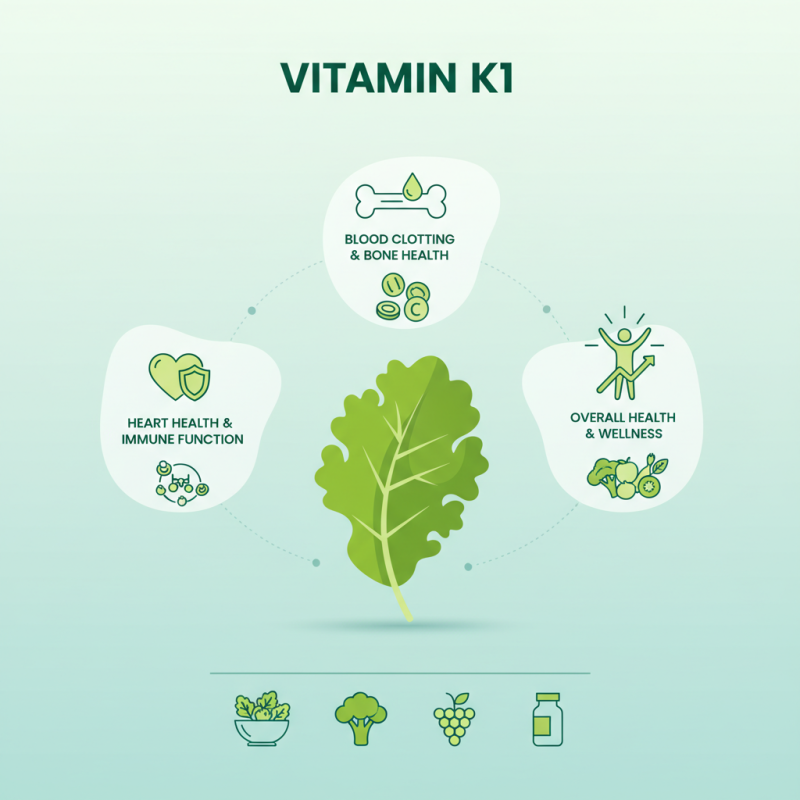
Vitamin K1, also known as phylloquinone, plays a crucial role in the body. It is essential for blood clotting, helping proteins to bind calcium, and ensuring proper bone health. This vitamin mainly comes from green leafy vegetables, such as kale, spinach, and broccoli. Including these foods in your diet can significantly enhance your overall wellness.
One key function of vitamin K1 is its involvement in synthesizing proteins that control bleeding. Without adequate levels of this vitamin, small cuts can lead to excessive bleeding. Moreover, vitamin K1 supports bone mineralization, reducing the risk of fractures. People with low vitamin K levels may experience weakened bones and increased fracture risk.
Tips: Try to incorporate a variety of leafy greens into your meals. Smoothies and salads are excellent ways to boost your vitamin K intake. Be mindful of how much you cook the greens, as some cooking methods can reduce their vitamin K content. If you're on medication that affects blood clotting, consult your healthcare provider about your vitamin K intake. Ensuring balanced nutrition can make a substantial difference in your health journey.
Key Health Benefits of Vitamin K1
Vitamin K1, primarily known for its role in blood clotting, offers additional health advantages that merit attention. Studies indicate that this vitamin supports bone health by enhancing calcium absorption. A 2021 report from the Journal of Nutrition highlighted that individuals with higher vitamin K1 intake had a 22% lower risk of fractures. This effect is significant for aging adults, who often struggle with bone density issues.
Beyond bone health, vitamin K1 may also impact cardiovascular wellness. Research published in the American Journal of Clinical Nutrition found that adequate K1 levels correlate with reduced arterial stiffness. In this study, participants with sufficient K1 exhibited improved vascular function, suggesting a protective effect against heart disease.
While more research is essential, the existing data underscores the importance of vitamin K1 in maintaining overall health. However, relying solely on this vitamin for health should not be the approach. Lifestyle choices and a balanced diet remain critical for holistic wellness.
What Are the Benefits of Vitamin K1 for Health and Wellness? - Key Health Benefits of Vitamin K1
| Health Benefit |
Description |
| Bone Health |
Vitamin K1 is essential for the synthesis of proteins needed for bone formation and repair. |
| Blood Clotting |
It plays a crucial role in the blood clotting process, helping to prevent excessive bleeding. |
| Heart Health |
Vitamin K1 helps prevent calcification of arteries, thereby promoting cardiovascular health. |
| Cancer Prevention |
Some studies suggest that Vitamin K1 may help reduce the risk of certain cancers, though more research is needed. |
| Improved Insulin Sensitivity |
Vitamin K1 may improve insulin sensitivity, which is beneficial for metabolic health. |
Sources of Vitamin K1 in Food
Vitamin K1, predominantly found in green leafy vegetables, plays a crucial role in our overall health. Foods such as kale, spinach, and broccoli are excellent sources of this vital nutrient. According to a report by the USDA, one cup of cooked kale can provide up to 1,062 micrograms of Vitamin K1, well above the daily requirement for adults, which is about 90 to 120 micrograms. These vegetables not only help meet your dietary needs but also deliver other essential nutrients.
In addition to greens, certain soy products, canola oil, and even herbs like parsley contribute to Vitamin K1 intake. Interestingly, these sources vary in their bioavailability, meaning our bodies may absorb the nutrient differently based on food preparation methods. Raw or steamed vegetables tend to retain more Vitamin K1 than those that are boiled. Establishing a balanced diet using these diverse sources can enhance nutrient absorption and overall health.
Despite the abundance of Vitamin K1-rich foods, many people fall short in their daily intake. A survey by the National Health and Nutrition Examination indicated that around 75% of adults do not meet their Vitamin K needs. This gap can lead to health repercussions, such as weakened bones and impaired blood clotting. Incorporating a wide range of Vitamin K1-rich foods into daily meals can be a simple yet effective way to improve your nutritional status.
Recommended Daily Intake and Safety of Vitamin K1
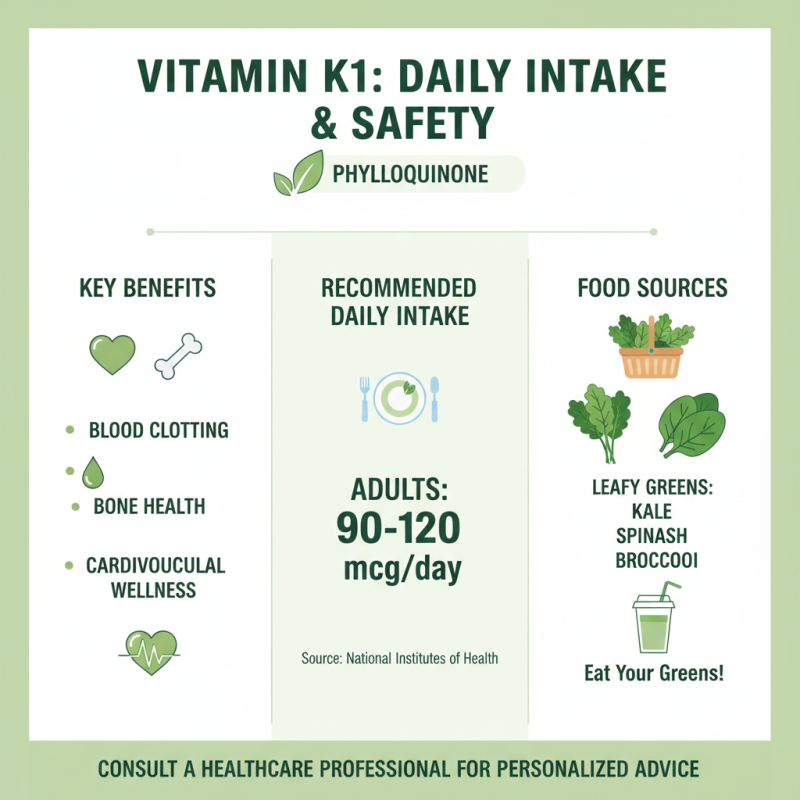
Vitamin K1, also known as phylloquinone, is crucial for our overall health. It plays a significant role in blood clotting and maintaining bone health. Adequate intake of this vitamin can lead to better cardiovascular health. Leafy greens, such as kale and spinach, are excellent sources of Vitamin K1. Incorporating these foods into your diet can enhance your wellness.
The recommended daily intake of Vitamin K1 varies by age and gender. For adults, around 90-120 micrograms is suggested. However, it’s important to consider individual needs. Someone on anticoagulant medication may require different guidance. Always consult with a healthcare professional before making significant dietary changes.
Vitamin K1 is generally safe, but taking too much can cause issues. Over-supplementation might lead to a clotting disorder. Individuals with certain health conditions should be cautious. Regularly monitor your intake to ensure it aligns with safety standards. Balancing your diet is key. Knowing your body's needs is essential for optimal health.
Potential Health Risks and Interactions of Vitamin K1
Vitamin K1, primarily found in leafy greens, plays a crucial role in blood coagulation and bone health. However, its consumption is not without risks. High doses can interfere with anticoagulant medications, leading to potential complications for patients with heart issues. A study published in the Journal of Thrombosis and Haemostasis indicates that patients on warfarin need to maintain consistent vitamin K1 intake to avoid fluctuations that could affect their treatment.
Moreover, individuals with specific liver conditions may experience challenges processing vitamin K1. Such conditions could hinder the vitamin's beneficial effects, leading to inadequate blood clotting. A report from the American Journal of Clinical Nutrition highlights how liver dysfunction can lead to a deficiency in vitamin K, further complicating overall health. Therefore, while vitamin K1 offers valuable health benefits, its interactions with medications and health conditions require careful monitoring.
Health Benefits of Vitamin K1