Is Vitamin C Good for Your Skin Benefits and Uses?
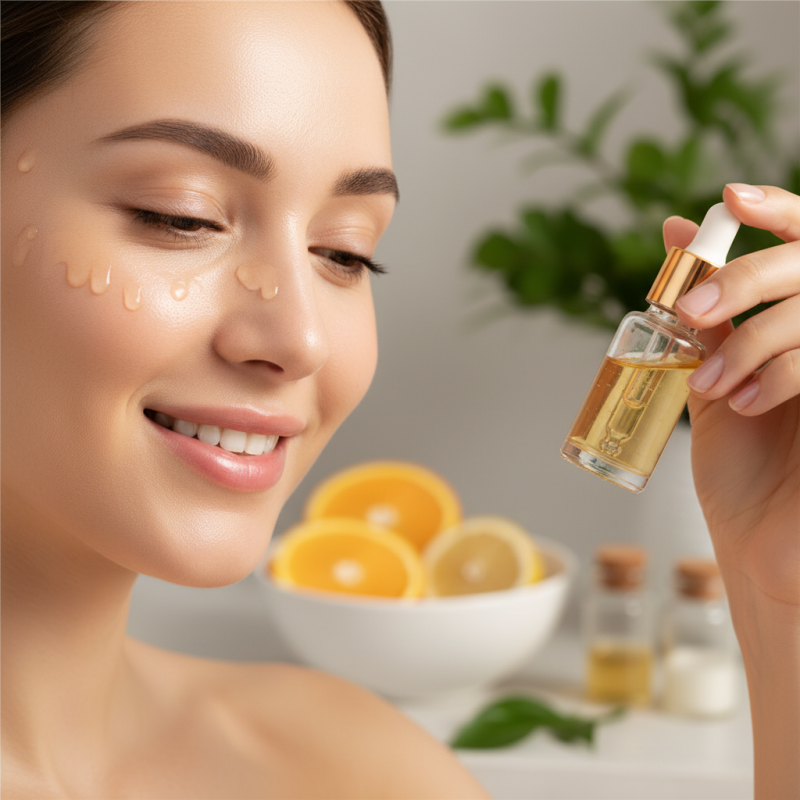
Vitamin C for skin has gained popularity in the beauty industry. This powerful antioxidant is known for its many benefits. It helps in brightening the skin and reducing signs of aging. Many people use serums or creams containing Vitamin C for their daily skincare routine.
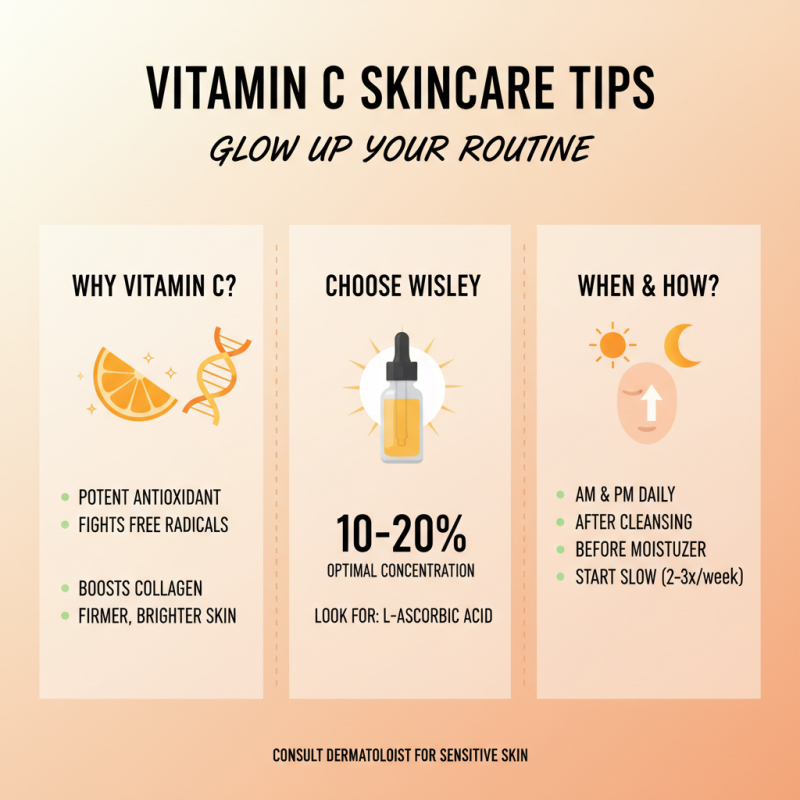
One significant advantage of Vitamin C for skin is its ability to fight free radicals. Free radicals can cause premature aging. Adding Vitamin C to your routine can reduce this damage. Moreover, it promotes collagen production. Collagen is essential for skin elasticity and firmness.
However, not everyone sees instant results. Some may experience irritation or sensitivity. It's essential to choose the right concentration and formulation for your skin type. Consulting a dermatologist can be helpful for personalized advice. Understanding your skin's needs is key to achieving the best results with Vitamin C.
Benefits of Vitamin C for Skin Health
Vitamin C is hailed as a potent ally for skin health. Studies show that topical applications can reduce the appearance of fine lines and wrinkles. According to a study published in the Journal of Clinical and Aesthetic Dermatology, 80% of participants reported noticeable skin improvements after 12 weeks of consistent use. This vitamin promotes collagen synthesis, crucial for maintaining skin elasticity.
Additionally, Vitamin C offers remarkable antioxidant properties. It helps neutralize free radicals, which can lead to premature aging. A 2020 analysis in the Dermatologic Surgery Journal highlighted that Vitamin C can improve skin radiance and even out skin tone. Regular application can also assist in diminishing dark spots caused by sun damage or aging.
However, not all Vitamin C products are created equal. Formulation stability can impact effectiveness. For instance, some formulations degrade quickly when exposed to light or air. Users should be aware of this and might need to experiment to find what works best. Achieving optimal skin health can require patience and persistence.
Is Vitamin C Good for Your Skin? Benefits and Uses
| Benefit |
Description |
| Brightens Skin |
Vitamin C helps to enhance skin radiance and brightness by reducing pigmentation and dark spots. |
| Reduces Aging Signs |
It stimulates collagen production, which can help reduce the appearance of fine lines and wrinkles. |
| Protects Against Sun Damage |
Vitamin C provides antioxidant protection that can shield the skin from harmful UV rays and environmental stressors. |
| Improves Skin Texture |
Regular use can enhance skin texture, making it smoother and more even. |
| Reduces Inflammation |
Vitamin C can help minimize redness and irritation, providing a calmer complexion. |
| Enhances Wound Healing |
It promotes faster healing of skin wounds and reduces the visibility of scars. |
| Hydrates Skin |
Vitamin C can improve skin's moisture content, making it look plump and hydrated. |
How Vitamin C Helps with Collagen Production
Vitamin C plays a crucial role in collagen production, a protein vital for skin structure. Collagen provides strength and elasticity, reducing signs of aging. When our skin is healthy, it appears youthful and vibrant. Factors like sun exposure and pollution can damage collagen, leading to premature aging. Thus, integrating Vitamin C into your skincare routine is essential.
Hydration is key for collagen synthesis. Drink plenty of water to maintain skin moisture. Incorporate Vitamin C-rich foods, such as oranges and strawberries, into your diet. They not only boost collagen but also increase overall skin health. However, topical application can produce quicker results. Look for serums or creams that contain high concentrations of Vitamin C.
Be cautious. Overuse of Vitamin C can lead to irritation for some skin types. Test a small area before full application. You might find that some formulations do not suit your skin. If irritation occurs, reconsider the products you are using. Listen to your skin and adjust accordingly.
Topical vs. Dietary Sources of Vitamin C
Vitamin C is a vital nutrient for skin health. It plays a crucial role in collagen production, which helps maintain skin elasticity. A well-functioning collagen matrix can reduce the appearance of wrinkles and fine lines. Many people make dietary changes to enhance their vitamin C intake, but topical applications can offer more direct skin benefits.
Topical sources of vitamin C, such as serums and creams, can deliver concentrated doses to the skin. These products often contain ascorbic acid, a potent form of vitamin C. When applied, it can brighten the complexion and even skin tone. However, not all formulations are equally effective. Stability can be an issue, and some products may not penetrate the skin deeply enough. Users should research and choose products wisely.
On the other hand, dietary sources include fruits and vegetables like oranges, berries, and bell peppers. Consuming these is essential for overall health. Yet, the impact on skin may take longer to manifest. Individuals eating a balanced diet often notice improved skin over time. However, relying solely on diet may not suffice for everyone. A combination of both sources might be the best approach for healthy skin.
Potential Side Effects of Vitamin C on Skin
Vitamin C is often praised for its skin benefits, but potential side effects warrant attention. While many people enjoy its brightening effects, some may experience irritation, redness, or allergic reactions. These effects can vary depending on skin type and concentration of the product used.
When incorporating Vitamin C into your skincare routine, it’s essential to start slow. Patch testing is a good practice. A small amount on the inner arm can help determine sensitivity. If irritation occurs, it’s wise to consult a dermatologist.
Not all formulations are created equal. Some products may contain high concentrations that could overwhelm sensitive skin. Look for serums with lower percentages if you're new to this ingredient. It's crucial to listen to your skin's response and adjust usage accordingly.