2026 Top Vitamin C Serums for Skin Which Is Best?
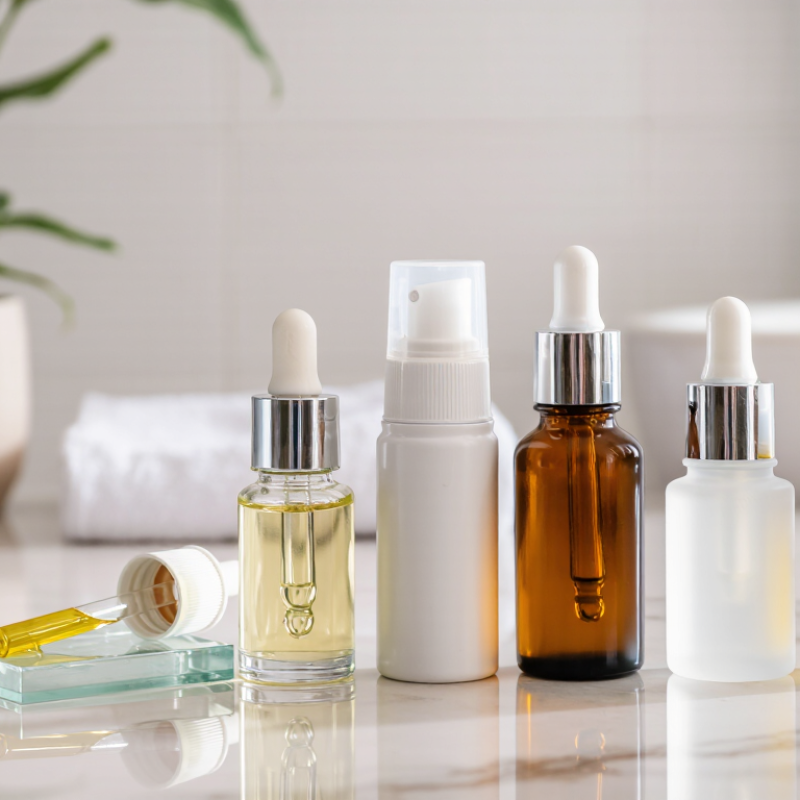
Choosing a vitamin C serum sounds simple until the bottles line up: clear dropper glass, opaque pumps, different percentages, and claims of instant radiance. The 2026 search for the best option should start with skin needs, not the brightest label. Vitamin C For Skin may help defend against environmental oxidative stress and improve the look of uneven tone, but results vary. No serum works like a filter.
Board-certified dermatologist Dr. Joshua Zeichner has explained that topical vitamin C can help neutralize free radicals and support brighter-looking skin. That is useful context, not a guarantee of dramatic change. Formulation matters. L-ascorbic acid is well studied, yet it can irritate some skin, while derivatives may feel gentler but have different evidence. A serum that stings every morning is not automatically doing more.
Look for clear ingredient information, suitable packaging, and a texture you can use consistently. A tightly closed, opaque bottle may help limit light and air exposure; a serum that darkens noticeably may have oxidized. Patch-test first, especially if your skin is reactive, and introduce the product gradually. Small steps count.
This comparison weighs ingredients, stability, usability, and value—not just concentration. It also recognizes a frustrating truth: the “best” serum can be personal, and product claims do not replace careful expectations. Some formulas may suit one routine and disappoint in another. The details matter.
What Vitamin C Serums Are and How They Work
Vitamin C serums are leave-on skincare products that deliver vitamin C, an antioxidant, to the skin’s surface. Antioxidants help limit damage from free radicals, which can form after exposure to sunlight and pollution. They do not replace sunscreen. Some formulas use L-ascorbic acid, while others use vitamin C derivatives that may differ in stability and how well they are studied. The ingredient can support collagen production and gradually improve the look of uneven pigmentation, but results vary. Not instant.
Formula matters. L-ascorbic acid can become less effective when exposed to air and light, so opaque, tightly sealed packaging is useful. A serum that darkens noticeably may have oxidized; check its directions and appearance rather than assuming it still works. Concentration is not the whole story, either. A stronger product may sting or redden sensitive skin, while a gentler one may be easier to use consistently. Try a small area first, then apply a few drops to clean, dry skin. A slightly tacky finish can happen. If irritation persists, stop using it; I would not push through just to chase a promised glow. Pair daytime use with broad-spectrum sunscreen, and allow several weeks of steady use before judging subtle changes.
Key Ingredients and Formulation Factors to Compare
When comparing vitamin C serums, look beyond the percentage printed on the bottle. L-ascorbic acid is the best-studied form, but it can sting and oxidize when exposed to air, light, and heat. Some formulas combine it with vitamin E or ferulic acid to support antioxidant performance and stability. Derivatives may feel gentler, though their evidence and conversion in skin vary. A higher concentration is not automatically better. Not always.
Packaging matters. An opaque, tightly sealed pump limits light and repeated air exposure. With a dropper, each opening brings fresh air into the bottle. Check the texture and smell over time; darkening or a changed odor may signal oxidation, though color alone cannot confirm potency. Choose a texture that sits comfortably under moisturizer and does not leave your cheeks tight. Test a small area first. If your skin is reactive, try it every other day and adjust based on comfort. Vitamin C can support a routine, but it does not replace daily sunscreen. One comparison can still mislead: skin tolerance varies, and labels cannot show how a formula feels after weeks of use.
How to Evaluate Top Vitamin C Serums in 2026
2026 Top Vitamin C Serums for Skin: Which Is Best?
How to Evaluate Top Vitamin C Serums in 2026
The best vitamin C serum is not automatically the strongest. Check the active form, stated concentration, packaging, and evidence for the finished formula. A 2017 review in Nutrients reports that topical L-ascorbic acid is commonly formulated at 10–20% and needs a pH below 3.5 for effective skin penetration. The review also notes that concentrations above 20% may not provide extra benefit. That is useful guidance, not a guarantee: results depend on the full formula and individual skin.
Look for an opaque, tightly sealed bottle that limits light and air exposure. L-ascorbic acid can oxidize; a marked change in color or smell is a reason to stop and check the product guidance. Sensitive skin may prefer a lower concentration or a gentler vitamin C derivative, though evidence varies between formulas. Be skeptical of dramatic before-and-after claims without details about study design, duration, or participants. There is no universal winner.
Tips: Patch-test first, then apply a small amount to dry skin. Introduce it gradually, and use sunscreen during the day; vitamin C does not replace sun protection. If irritation persists, pause use and seek professional advice.
Choosing a Serum for Your Skin Type and Concerns
A useful vitamin C serum is not automatically the strongest one. Match the formula to your skin and the concern you want to address, such as uneven tone or dullness. If your skin is sensitive or dry, consider a lower-strength formula or a vitamin C derivative, ideally with hydrating ingredients like glycerin. Fragrance-free options may be easier to tolerate. Go slowly. Apply it every other morning at first, and stop if burning or persistent redness develops.
For oily skin, a light serum may feel more comfortable under moisturizer and sunscreen. If you are targeting dark spots, look for a clearly listed vitamin C form and concentration, but do not treat a high percentage as a guarantee of better results. Formulas differ, and stronger products can irritate. That matters. Use sunscreen during the day; vitamin C does not replace it. A small patch test can reveal problems before you apply the serum across your face.
Check the bottle, too. An opaque, tightly closed container helps limit exposure to light and air. If the serum changes markedly in color or smell, its condition may have changed; avoid guessing that it is still effective. Introduce one new product at a time, especially if your routine already includes exfoliating acids or retinoids. Results are gradual, and not every formula suits every face. I would not judge a serum after two mornings.
Safe Application, Storage, and Routine Pairing
Vitamin C serums work best when used consistently, not aggressively. Apply a few drops to clean, dry skin, then follow with moisturizer. In the morning, finish with broad-spectrum sunscreen; vitamin C does not replace sun protection. If your skin is sensitive, start every other day and watch for persistent stinging, redness, or itching. Stop using it if irritation continues, and seek professional advice when needed.
Tips: Store the bottle tightly closed in a cool, dry place, away from sunny windows and steamy bathrooms. Opaque, airtight packaging helps limit exposure to light and air. Check the product’s directions and appearance; a marked change in color or smell may signal that it has degraded. Don’t guess.
Pairing matters. Introduce vitamin C separately from strong exfoliating acids or retinoids, especially if your skin is easily irritated. Once your skin tolerates each product, a clinician or product instructions can guide a suitable routine. Many people use vitamin C in the morning and retinoids at night, but that schedule is not right for everyone. A simpler routine may feel less impressive, yet it makes reactions easier to trace. If you develop swelling or severe discomfort, stop application and contact a healthcare professional.