2026 Top Uses of Ascorbic Acid for Global Buyers?
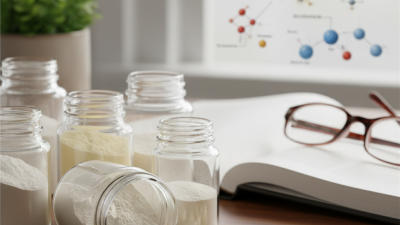
Ascorbic Acid, commonly known as vitamin C, holds a prominent place in various industries globally. Experts like Dr. Emily Carter, a renowned biochemist, state, "Ascorbic Acid is versatile and vital for health and industry." This statement underscores its multifaceted applications.
In recent years, Ascorbic Acid has carved its path in pharmaceuticals, food preservation, and cosmetics. Its antioxidant properties are widely recognized. For instance, in skincare, it brightens and evens skin tone. This powerful antioxidant offers protection against free radicals, enhancing cosmetic products' effectiveness.
However, there remain challenges in its application. The stability of Ascorbic Acid in different formulations can be tricky. Some products fail to deliver promised results due to degradation over time. Companies must research and innovate to harness its full potential. In 2026, understanding these nuances will be crucial for global buyers. They must seek reliable suppliers who prioritize quality and stability.

Top Nutritional Benefits of Ascorbic Acid for Health Enthusiasts
Ascorbic acid, commonly known as vitamin C, offers a myriad of health benefits that attract both health enthusiasts and researchers alike. Studies indicate that a daily intake of 500 mg can significantly enhance immune function. According to the National Institutes of Health, individuals who consume adequate vitamin C report fewer illnesses during cold and flu seasons. This nutrient plays a pivotal role in boosting collagen production, crucial for skin health and wound healing.
Furthermore, a report by the Linus Pauling Institute highlights that vitamin C acts as a powerful antioxidant. It helps neutralize free radicals, potentially lowering the risk of chronic diseases. Research shows that diets high in vitamin C-rich foods correlate with a reduced risk of cardiovascular issues. However, the recommended daily intake varies by age and gender, making personalized nutrition recommendations vital.
On the flip side, reliance on supplements without proper dietary balance poses risks. Excessive consumption can lead to gastrointestinal discomfort in some individuals. This underscores the importance of obtaining nutrients from diverse food sources, rather than solely depending on pills. Embracing a holistic approach to nutrition can maximize the benefits of ascorbic acid while minimizing potential drawbacks.
Key Industrial Applications of Ascorbic Acid in Food Preservation
Ascorbic acid, commonly known as vitamin C, plays a vital role in food preservation. Its antioxidant properties help prevent spoilage. Without proper preservation techniques, food can quickly lose flavor, color, and nutritional value. Ascorbic acid is especially effective in maintaining the freshness of fruits and vegetables.
Many industries utilize ascorbic acid to extend shelf life. For example, in the fruit juice industry, it helps retain vibrant colors. Fresh-cut fruits often include ascorbic acid to avoid browning. Many processors appreciate how it enhances visual appeal and overall quality.
While ascorbic acid proves beneficial, overuse can lead to issues. Excessive amounts may alter taste in some products. Understanding the right proportions is crucial. Additionally, there is ongoing research into the best practices for its application. Balancing efficacy with consumer preferences remains a challenge for producers.
2026 Top Uses of Ascorbic Acid for Global Buyers
| Application Area |
Description |
Usage Rate (%) |
Benefits |
| Food Preservation |
Prevents oxidation in food products, extending shelf life. |
70% |
Enhances freshness and quality of food. |
| Beverage Production |
Used in juices to maintain color and flavor. |
50% |
Improves organoleptic properties. |
| Meat Processing |
Prevents discoloration and spoilage of meat products. |
65% |
Ensures aesthetic appeal and safety. |
| Dairy Products |
Acts as an antioxidant in dairy to prevent rancidity. |
40% |
Maintains taste and texture. |
| Bakery Products |
Enhances dough quality and shelf life. |
30% |
Improves texture and volume. |
Ascorbic Acid's Role in Cosmetics: Enhancing Skin Health
Ascorbic acid, commonly known as vitamin C, plays a vital role in cosmetics. Its antioxidant properties help protect the skin from free radicals. This protection is crucial in today's polluted environment, where skin is often exposed to various stressors. Regular use can lead to a more radiant and youthful appearance.
In addition to protection, ascorbic acid boosts collagen synthesis. Collagen is essential for skin elasticity and firmness. Incorporating ascorbic acid into your skincare routine can promote a healthy glow. Some users may find it irritating, especially those with sensitive skin. Patch testing is advisable to avoid adverse reactions.
Its benefits extend beyond basic skincare. The ingredient can help reduce hyperpigmentation and uneven skin tone. Many people notice improvements within a few weeks of consistent use. However, results can vary, and patience is necessary. As you explore the world of cosmetics, incorporating ascorbic acid could be a promising choice for enhancing skin health.
Innovative Uses of Ascorbic Acid in Pharmaceuticals and Medicine
Ascorbic acid, widely known as vitamin C, continues to showcase innovative uses in pharmaceuticals and medicine. It acts as a potent antioxidant, combating oxidative stress in cells. This ability underpins its role in promoting overall health and well-being. In recent studies, ascorbic acid has shown promise in enhancing the efficacy of other treatments, particularly in oncology. By reducing side effects and boosting patient immunity, it is seen as a supportive agent during chemotherapy.
Tips for incorporating ascorbic acid: Maintain a balanced diet rich in fruits and vegetables. Look for natural sources rather than synthetic supplements. Furthermore, dose adjustment is crucial. High doses can lead to gastrointestinal discomfort. Understanding individual tolerance levels is important.
Another noteworthy application is its use in skincare. Ascorbic acid is recognized for its role in collagen synthesis. Its topical application can improve skin texture and reduce signs of aging. However, stability is a concern. Many formulations struggle to retain potency over time. Users should check expiration dates to ensure maximum benefits.
Sustainable Production Methods of Ascorbic Acid for Global Markets
The production of ascorbic acid, or vitamin C, has increasingly leaned towards sustainable methods. According to recent industry reports, around 60% of global production is now derived from green processes. These methods emphasize the reduction of carbon footprints and utilize renewable resources, which is crucial for meeting increasing global demand.
Sustainable production often incorporates biofermentation techniques, using microorganisms to convert simple sugars into ascorbic acid. This approach not only reduces waste but also minimizes energy consumption. A study highlighted that biofermentation could lower production costs by 20% compared to traditional synthetic methods. While the transition is promising, challenges remain. Some facilities still rely on outdated practices that can be harmful to the environment.
Furthermore, the impact of climate change on raw material availability poses risks to production stability. As the demand for ascorbic acid grows, industry leaders must reconsider sourcing and production strategies. Adopting sustainable practices is not just beneficial; it is essential for ensuring the longevity of ascorbic acid supply chains.
2026 Top Uses of Ascorbic Acid for Global Buyers