What is Multi Vitamin Benefits for Overall Health?
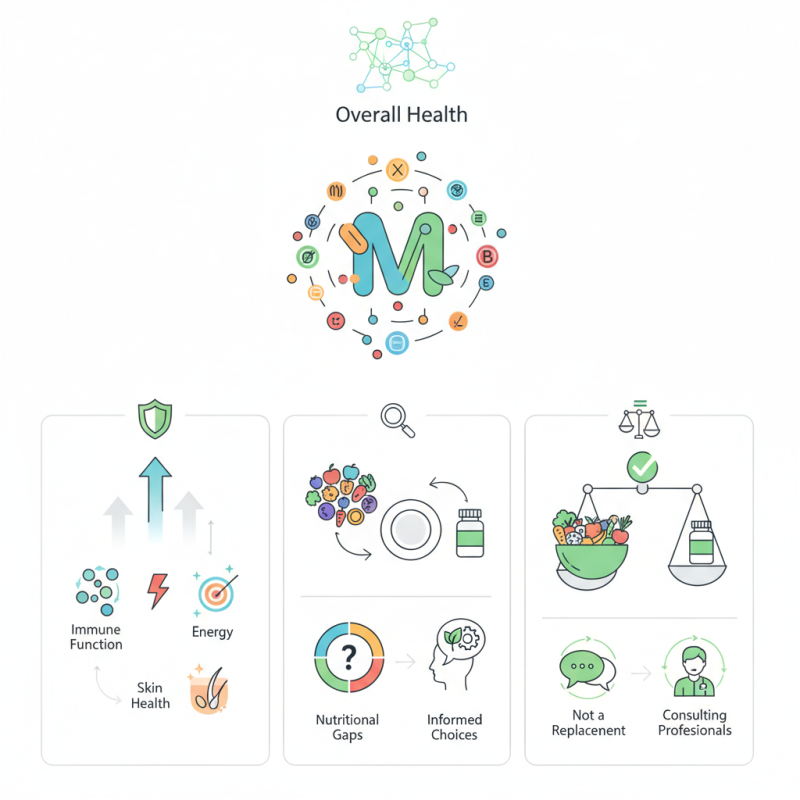
In today's fast-paced world, maintaining optimal health can be challenging. Many people struggle to meet their nutritional needs. This is where a Multi Vitamin can play a crucial role. A properly formulated Multi Vitamin offers essential nutrients that may be missing from our diets. These supplements aim to support overall health by filling nutritional gaps.
The benefits of Multi Vitamins can be significant. They may enhance immune function, boost energy levels, and promote better skin health. However, not all Multi Vitamins are created equal. It’s important to choose a high-quality product that fits individual needs. Consulting with healthcare professionals can provide better insight into what your body requires.
Moreover, while Multi Vitamins can offer support, they should not replace a balanced diet. Relying solely on supplements can lead to other health issues. It's vital to reflect on your lifestyle and dietary choices. Making informed decisions about nutrition is key to achieving lasting health benefits.
Understanding Multivitamins: Definition and Composition
Multivitamins are dietary supplements that contain a combination of vitamins and minerals. These compounds are crucial for overall health. They can help bridge gaps in nutrition that may arise from poor diet, lifestyle, or specific health conditions. According to the Linus Pauling Institute, deficiencies in essential vitamins can lead to a range of health issues. For example, vitamin D deficiency is linked to weakened bones and increased risk of chronic diseases.
Understanding the composition of multivitamins is key. Most multivitamins include essential nutrients such as vitamin A, C, D, E, and several B vitamins, alongside important minerals like magnesium, zinc, and calcium. The U.S. National Institutes of Health reports that many adults do not meet the recommended intake for these nutrients through diet alone. This gap highlights the potential need for supplementation.
Tips: Consider evaluating your dietary habits. A food diary can pinpoint nutrient shortages. Always consult a healthcare provider before starting any supplement. Remember, not all multivitamins are created equal; some may contain additives or fillers that may not be beneficial. Individual needs vary widely, reflecting the importance of tailored advice.
Multi Vitamin Benefits for Overall Health
This bar chart illustrates the various benefits of multivitamins for overall health, rated on a scale of 1 to 10. The benefits include immune support, bone health, energy production, heart health, skin health, and cognitive function, showcasing the importance of incorporating multivitamins into a daily regimen for enhanced well-being.
Key Nutrients in Multivitamins: Essential Vitamins and Minerals
Multivitamins provide a convenient way to enhance overall health. They contain essential vitamins and minerals that support various bodily functions. Key nutrients found in multivitamins include vitamin C, vitamin D, B vitamins, and minerals like zinc and magnesium. Each of these plays a specific role in maintaining well-being.
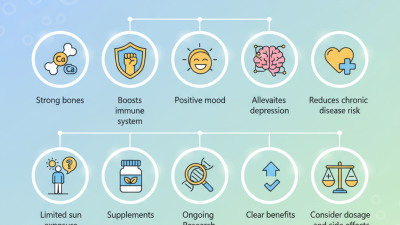
Vitamin C is crucial for immune function and skin health. It helps the body fight infections and promotes collagen production. Vitamin D supports bone health and may enhance mood. Many people may lack enough sunlight exposure, making supplementation important. B vitamins, like B12 and B6, are vital for energy production and brain function. They help convert food into energy and maintain cognitive health.
Minerals such as zinc are important for immune response and wound healing. Magnesium aids in muscle function and can help reduce stress. While multivitamins offer a variety of benefits, not everyone needs them. It often depends on diet, lifestyle, and individual health needs. Consulting a healthcare professional is wise before starting a regimen. Balancing nutrient intake through whole foods is crucial for optimal health.
Health Benefits of Multivitamins: Scientific Studies and Findings
Multivitamins have gained popularity for their potential health benefits. Scientific studies reveal that these supplements can play a significant role in filling nutritional gaps. Many people do not meet daily recommended intake of essential vitamins and minerals. Multivitamins can help improve energy levels, enhance immune function, and support overall well-being.
Research indicates that multivitamins may reduce the risk of chronic diseases. For instance, some studies link multivitamin use with lower rates of heart disease and cognitive decline. However, it's important to approach multivitamins thoughtfully. They are not a substitute for a healthy diet.
When considering multivitamins, here are some helpful tips. Choose a product that aligns with your specific health needs. Consult a healthcare professional to ensure it’s appropriate for you. Keep track of your daily intake. Monitor how you feel as you integrate them into your routine. Remember, it's essential to balance supplementation with a nutrient-rich diet.
Recommended Daily Intake: Guidelines from Health Organizations
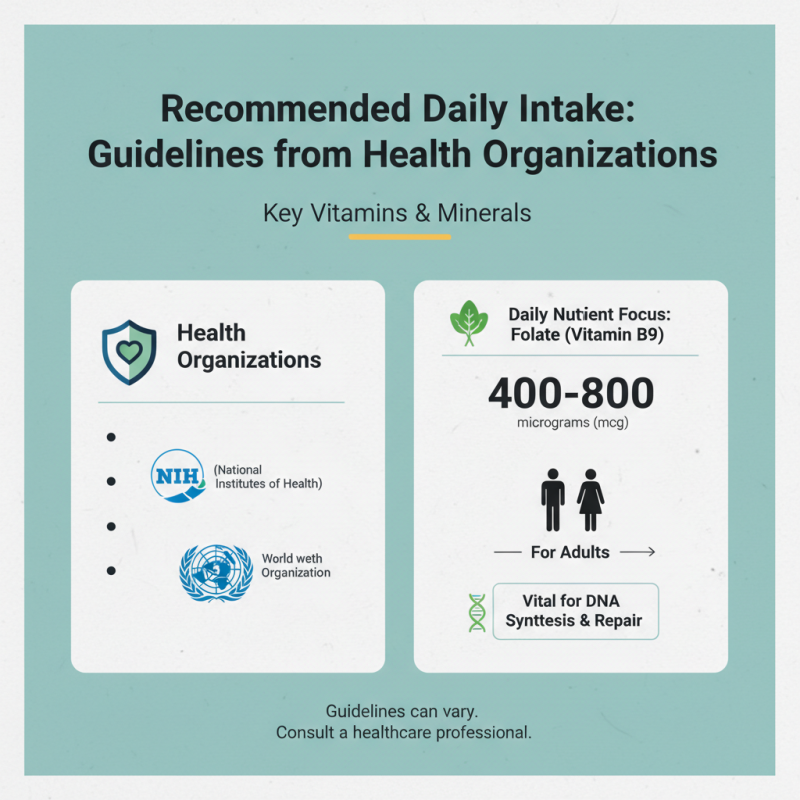
The recommended daily intake of vitamins and minerals can vary. Health organizations, including the National Institutes of Health (NIH), provide guidelines. For example, adults may need about 400-800 micrograms of folate daily. This nutrient is vital for DNA synthesis and repair.
Individuals who follow restrictive diets might struggle to meet these requirements. The NIH recommends ensuring adequate intake from food sources or supplements. Iron is another critical mineral; adults often need 8-18 mg daily, depending on age and gender. Deficiencies can lead to fatigue and weakened immunity.
Research indicates that many people do not get enough essential nutrients through diet alone. The 2020-2025 Dietary Guidelines for Americans suggest that maintaining a balanced diet rich in fruits and vegetables can help. However, this is not always achievable for everyone. Multivitamins may act as a safety net. Yet, they should not replace a wholesome diet. Consider consulting a healthcare provider for personalized recommendations.
Potential Risks of Overconsumption: Balancing Nutritional Needs
Overconsumption of multivitamins can pose significant health risks. While these supplements can fill nutritional gaps, excessive intake may lead to toxicity. The National Institutes of Health (NIH) reports that some vitamins, like A and D, can accumulate in the body, causing adverse effects. High doses of vitamin A can lead to liver damage and neurological issues.
Research by the Office of Dietary Supplements indicates that more than 30% of American adults take multivitamins regularly. However, many of these individuals may not require such supplementation. For example, a well-balanced diet usually provides adequate nutrients for most people. Yet, some may overestimate their needs, leading to unnecessary intake.
Awareness of recommended daily allowances (RDAs) is critical. Some studies reveal that taking multivitamins without medical advice can result in imbalances. For instance, excess iron can cause gastrointestinal discomfort and other health issues. It is essential to personalize vitamin consumption based on individual lifestyle and dietary habits. Making informed choices is crucial for achieving balance in nutritional intake.