Leave Your Message

How to Source Inorganic Minerals for Global Supply Needs?

Inorganic minerals play a crucial role in various industries, from agriculture to electronics. The global demand for these minerals has surged. According to the U.S. Geological Survey, global production of minerals like phosphate and potash reached millions of tons in 2022. This growth highlights the importance of securing reliable sources for these critical materials.

The sourcing process for inorganic minerals poses challenges. Factors such as market volatility and geopolitical tensions can disrupt supply chains. For instance, disruptions in mining operations often change market dynamics swiftly. Companies must adapt quickly to ensure a steady supply of essential minerals.

Moreover, sustainability is becoming increasingly important in mineral sourcing. Many companies are now striving for responsible practices in extraction and processing. A recent report by the World Bank indicates that sustainable minerals could constitute a significant competitive advantage in the years to come. However, achieving these standards requires introspection and commitment from all industry stakeholders.
How to Source Inorganic Minerals for Global Supply Needs?

Global Demand for Inorganic Minerals: Key Statistics and Trends

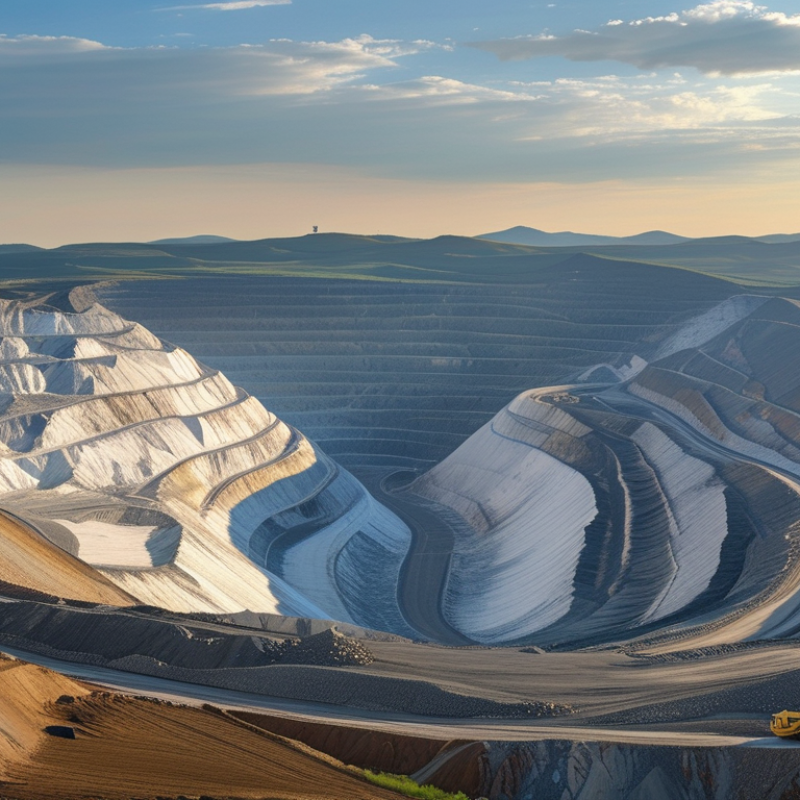
The global demand for inorganic minerals is on the rise. Recent statistics indicate a significant growth in industries such as construction, electronics, and renewable energy. For example, silicon and lithium are essential for advancements in solar technology and electric vehicles. As countries transition to greener practices, the need for these minerals is projected to increase.

However, sourcing these minerals presents challenges. Mineral extraction can lead to environmental degradation and resource depletion. Ensuring sustainable practices is critical. Transparency in the supply chain is important, but not always maintained. Many suppliers may not prioritize environmental protocols, leading to potential ethical concerns.

Additionally, geopolitical factors play a role. Political stability in mineral-rich regions affects prices and availability. Trade policies can create barriers, altering market dynamics. As companies seek reliable sources, they must navigate these complexities carefully. Engaging with local communities and adhering to ethical standards can foster better relationships and more sustainable practices in the long run.

Major Sources of Inorganic Minerals: Regional Analysis and Supply Chains

Inorganic minerals are vital for various industries, including construction and electronics. Sourcing these minerals requires a deep understanding of regional availability and supply chain dynamics. Different regions offer unique advantages. For example, some areas are rich in lithium, crucial for batteries, while others provide abundant iron ore for steel production.

Supply chains for inorganic minerals can be complex. They often involve multiple stakeholders from extraction to distribution. Environmental regulations vary by region, affecting mining operations. In some areas, the regulatory landscape is strict, leading to delays in sourcing. Local geopolitical factors may also play a role. Political instability can disrupt supply chains unexpectedly.

It is essential for companies to assess risks and identify reliable suppliers. Conducting thorough due diligence is crucial. Collaborating with local experts can provide insights into regional challenges. Developing a diverse supply base can mitigate risks. Nonetheless, this approach may require time and investment. Effective sourcing strategies must be flexible to adapt to changing conditions.

Global Supply of Inorganic Minerals - Regional Analysis

Sourcing Strategies: Sustainable Practices in Mineral Acquisition

Sourcing inorganic minerals sustainably is a complex task. It requires balancing economic needs with environmental protection. Professionals in the field must consider various factors, including location, extraction methods, and community impact. Sustainable practices are not only ethical but also increasingly demanded by consumers and investors.


One effective strategy is engaging with local communities. This fosters mutual respect and ensures that mineral extraction benefits them. Listening to their concerns can lead to better practices and enhance trust. Additionally, investing in technology can minimize the environmental footprint of mining operations. Using advanced techniques can reduce waste and improve mineral yield.


Yet, challenges remain. Not all companies prioritize sustainability, leading to environmental degradation. Transparency is vital; companies should openly report their sourcing practices. This helps build credibility and trust among stakeholders. Striving for sustainability requires ongoing reflection and adaptation. The path to responsible mineral sourcing is not straightforward, but it is essential for future generations.

Regulatory Frameworks Affecting Inorganic Mineral Supply

When sourcing inorganic minerals, understanding the regulatory frameworks is essential. Different countries have varying regulations in place. Compliance with these laws ensures a smooth supply chain. For instance, stringent environmental assessments may be required. This can delay projects if not addressed early.

Moreover, trade agreements play a significant role. Tariffs and quotas can impact costs and availability. Staying updated on these changes is crucial. Companies often find it challenging to navigate the complexities involved. This can lead to sourcing delays or increased expenses.

Professional insight into local regulations can provide a competitive edge. Engaging with experts in mineral supply chains is advisable. However, the landscape is ever-evolving. Companies must continuously monitor shifts in policy. This vigilance enhances supply stability and long-term planning.

How to Source Inorganic Minerals for Global Supply Needs? - Regulatory Frameworks Affecting Inorganic Mineral Supply

Mineral Type Global Demand (Metric Tons) Top Producing Countries Regulatory Framework Overview Sourcing Challenges
Silica Sand 200,000,000 United States, China, Brazil Environmental impact assessments, mining regulations Land use conflicts, environmental restrictions
Bentonite 25,000,000 United States, Turkey, Greece Mining licenses, export controls Quality control, transport logistics
Lime 80,000,000 China, United States, India Health and safety regulations, environmental standards Carbon footprint concerns, regulatory compliance
Phosphate Rock 40,000,000 Morocco, China, United States Sustainable mining practices, international trade agreements Market fluctuations, export tariffs
Gypsum 50,000,000 China, United States, Iran Land reclamation laws, extraction permits Transportation issues, sustainability initiatives

Emerging Technologies in Mineral Processing and Supply Optimization

Emerging technologies are transforming the mineral processing industry. Automation, AI, and machine learning enhance efficiency and optimize supply chains. According to a recent report by the International Mineral Processing Council, integrating AI can reduce operational costs by up to 15%. This is crucial as global demand for inorganic minerals rises.

Moreover, advanced processing techniques, like bioleaching and hydrometallurgy, are gaining traction. These methods are environmentally friendly and often more efficient than traditional processes. Data shows that bioleaching can increase mineral recovery rates by 30% compared to conventional methods. This shift aligns with global sustainability goals.

Tips: Consider leveraging collaboration with technology firms. Engaging with experts in these fields can yield innovative solutions. Regularly review your supply chain for inefficiencies. This proactive approach can help mitigate potential disruptions in sourcing. Embracing these technologies is no longer optional; it’s essential for meeting tomorrow's supply needs.