
Choosing a Calcium Vitamin D supplement can feel harder than reading a label should. Shelves offer tablets, softgels, gummies, and powders, with different calcium forms and serving sizes. This guide compares ten options by ingredient amounts, usability, transparency, and value—not by bold promises. Small details matter. A large bottle may still provide only a few weeks of servings.
Calcium supports bone structure, while vitamin D helps the body absorb calcium. Food remains an important source: yogurt, fortified milk, tofu, and leafy greens can all contribute. A supplement may help fill a dietary gap, but more is not automatically better. Check how much calcium each serving provides, and compare it with your usual diet. Calcium carbonate is commonly taken with food; calcium citrate may be easier for some people to use, though individual needs differ. Look for clear labeling and credible, product-specific quality testing when available. Claims on a package alone are not proof of effectiveness. Read the ingredient list, too, especially if you avoid certain sweeteners or allergens.
The top picks should suit different routines and budgets, rather than suggest one product works for everyone. People with kidney conditions, a history of kidney stones, or medicines that may interact with supplements should ask a qualified healthcare professional before choosing. That extra step can feel inconvenient. It is still worthwhile. Even careful comparisons have limits, since formulas and testing can change; check the current label before buying.
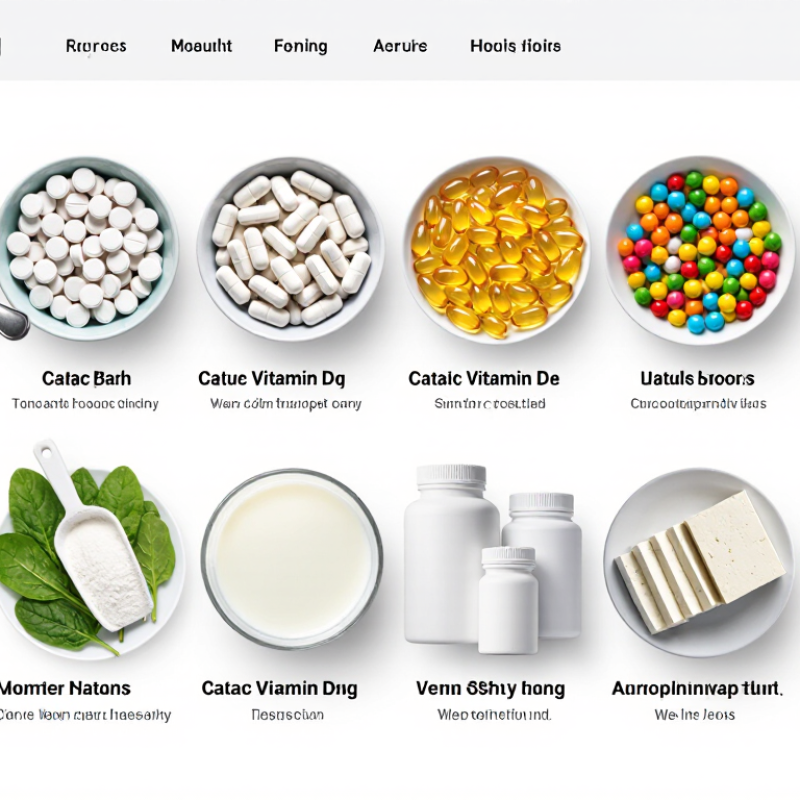
Calcium and vitamin D work together, but they do different jobs. Nearly 99% of the body’s calcium is stored in bones and teeth, where it supports structure and strength, according to the NIH Office of Dietary Supplements. Vitamin D helps the gut absorb calcium. Without enough of it, a calcium-rich meal may not deliver its full benefit. The National Academies set recommended daily calcium intakes at 1,000 mg for most adults, rising to 1,200 mg for women over 50 and adults over 70. For vitamin D, the recommended amount is 600 IU through age 70 and 800 IU after that.
The numbers are useful, not a personal prescription. A bowl of yogurt, a serving of fortified tofu, or a glass of fortified milk can contribute calcium; sunlight, foods, and supplements can contribute vitamin D. Real diets are messy, and tracking every milligram is easy to get wrong. Small, steady habits matter. If food intake falls short, a supplement may fill the gap, but more is not automatically better. NIH guidance notes that calcium is absorbed most efficiently in doses of 500 mg or less at a time. Check labels for the amount per serving, and ask a healthcare professional about suitable doses if you have a medical condition or take regular medication.

Choosing a calcium and vitamin D supplement starts with the label, not the biggest number. Check “elemental calcium,” which shows how much usable calcium a serving provides. Calcium carbonate is about 40% elemental calcium and is best taken with food. Calcium citrate is about 21% elemental calcium and can be taken with or without food, according to the NIH Office of Dietary Supplements. Small detail, big difference.
Absorption also depends on dose size. The NIH notes that calcium absorption is highest at doses of 500 mg or less at one time, so a larger daily amount may be better divided. For most adults, recommended calcium intake ranges from 1,000 to 1,200 mg daily, including food. Vitamin D helps the body absorb calcium; US dietary reference intakes recommend 600 IU daily for adults through age 70 and 800 IU after 70. These are total intake targets, not automatic supplement doses. Needs vary, and more is not always better.
Tips: Take vitamin D with a meal containing some fat, and compare the supplement dose with your usual food intake. A glass of milk, a bowl of fortified cereal, or leafy greens can contribute calcium. It is easy to focus too much on the front-label number. Ask a clinician or pharmacist about dosing if you have kidney problems or take regular medication.
Choosing a calcium and vitamin D supplement starts with checking what you already get from food. Milk, fortified plant drinks, tofu, and canned salmon with bones can all contribute calcium. A supplement should fill a gap, not automatically supply a full day’s amount. Check the label for elemental calcium, the amount your body can use, rather than the larger compound weight. Labels can be confusing.
The form matters, too. Calcium carbonate is often taken with food, while calcium citrate can be taken with or without a meal. Larger calcium amounts are generally better divided across the day, but your clinician can help tailor this to your needs. Vitamin D helps the body absorb calcium; avoid assuming that more is better. A blood test or medical advice may guide the right amount, especially if you have a health condition or take regular medicines.
Look for clear ingredient and dose information, plus independent quality testing where available. Such testing can help verify contents, but it does not prove a supplement is right for you. Ask a pharmacist about timing if you take thyroid medicine or certain antibiotics, since calcium can affect absorption. Small details matter. I’d also reconsider a product that promises dramatic results; supplement labels rarely tell the whole story.
This comparison covers common supplement types rather than specific products or brands. Amounts shown are typical label ranges, not recommendations; check each product’s Supplement Facts panel for the serving size and elemental calcium amount.
| No. | Supplement type | Typical calcium per serving | Typical vitamin D per serving | How to choose | Points to consider |
|---|---|---|---|---|---|
| 1 | Calcium carbonate with vitamin D3 tablet | About 500–600 mg elemental calcium | Often 400–1,000 IU (10–25 mcg) D3 | A common, compact option; compare the elemental calcium and vitamin D amounts on the label. | Take with food for better absorption. It may cause gas or constipation in some people. |
| 2 | Calcium citrate with vitamin D3 tablet | About 200–315 mg elemental calcium | Often 400–1,000 IU (10–25 mcg) D3 | Consider it if you prefer a form that can be taken with or without food. | It has less elemental calcium by weight than calcium carbonate, so the serving may require more tablets. |
| 3 | Calcium carbonate chewable with vitamin D | About 500–600 mg elemental calcium | Often 400–800 IU (10–20 mcg) | Useful for people who have difficulty swallowing tablets; check the serving size and added ingredients. | Some versions contain sugar or sugar alcohols. Calcium carbonate is generally taken with food. |
| 4 | Calcium citrate chewable with vitamin D | About 200–300 mg elemental calcium | Often 400–1,000 IU (10–25 mcg) | Compare the number of chewables needed to reach the amount you intend to take. | Check for added sweeteners and note that citrate usually provides less calcium per tablet than carbonate. |
| 5 | Calcium and vitamin D liquid | Commonly about 250–600 mg elemental calcium | Varies; commonly about 400–1,000 IU (10–25 mcg) | Look for a clearly stated amount per measured dose and use the supplied measuring device. | Shake if directed; check storage instructions, serving volume, and added sugars or other ingredients. |
| 6 | Calcium and vitamin D powder | Varies; often about 250–500 mg elemental calcium | Varies; commonly about 400–1,000 IU (10–25 mcg) | Check whether the nutrition amounts apply to one scoop or a prepared drink. | Confirm that it dissolves as directed and review the full ingredient list, including flavorings and sweeteners. |
| 7 | Calcium and vitamin D gummy | Often about 100–300 mg elemental calcium per serving | Often about 400–1,000 IU (10–25 mcg) | Compare the full serving, which may consist of multiple gummies, with the amount of calcium provided. | Gummies may contain added sugar and can provide less calcium per serving than tablets or capsules. |
| 8 | Calcium phosphate with vitamin D | Varies; check the label for elemental calcium | Varies by product | Use the declared elemental calcium amount to compare it fairly with other forms. | Formulas differ, and the phosphate form may not suit everyone; ask a healthcare professional if you have kidney concerns. |
| 9 | Calcium lactate or calcium gluconate with vitamin D | Varies; these forms generally provide less elemental calcium by weight | Varies by product | Check how many tablets or how much liquid makes up one serving. | A larger serving may be needed to provide the same elemental calcium as some other forms. |
| 10 | Calcium with vitamin D2 (ergocalciferol) | Varies; commonly about 200–600 mg elemental calcium | Varies; commonly about 400–1,000 IU (10–25 mcg) D2 | Compare the vitamin D form and amount with your needs and any advice from your healthcare professional. | Vitamin D2 is a recognized form of vitamin D; D3 is another common form. Do not combine products without checking total intake. |
Choosing a dose: Calcium needs depend on age, sex, diet, and health. For most adults, the recommended total calcium intake is 1,000 mg per day; it is 1,200 mg per day for women over 50 and adults over 70. These totals include food and supplements. The recommended vitamin D intake is 600 IU (15 mcg) per day for most adults through age 70 and 800 IU (20 mcg) for adults over 70. Individual needs can differ. Ask a healthcare professional about supplements if you have a medical condition, take medicines, are pregnant, or are unsure how much you need.
Choosing among the top 10 calcium and vitamin D supplements starts with what you need, not the label’s biggest number. Compare calcium citrate with vitamin D, calcium carbonate with vitamin D, chewable tablets, liquid drops, gummies, powders, algae-derived calcium, lower-dose tablets, split-dose packs, and calcium blends with magnesium. These are different formats, not ten proven winners. Check the amount of elemental calcium per serving; the compound weight can be misleading.
Calcium carbonate is generally taken with food, while calcium citrate can be taken with or without food and may suit people with lower stomach acid. Vitamin D helps the body absorb calcium, but more is not automatically better. Gummies can be easier to take, yet may contain added sugar. Powders need careful measuring. Small details matter.
A useful label should state serving size, calcium amount, vitamin D amount, and relevant allergens. I would not choose by price alone; a large tablet can be awkward to swallow, and that matters in daily use. Needs vary with diet, age, medications, and health conditions. Ask a clinician or pharmacist before supplementing if you have kidney disease, a history of kidney stones, or take medicines that may interact. Their advice can help narrow the options.
Calcium and vitamin D supplements may help fill a documented dietary gap, but taking more is not automatically better. Check the label for elemental calcium, vitamin D amount, and serving size; some products require several tablets. Calcium can cause constipation or bloating. Excess vitamin D may raise blood calcium, while high calcium intake may increase kidney-stone risk for some people. The appropriate amount depends on diet, age, test results, and health history. Small details matter.
Tips: Keep a current medication list and show it to a pharmacist or clinician before choosing a supplement. Calcium can reduce absorption of levothyroxine, certain antibiotics, and osteoporosis medicines. Ask how many hours to separate doses; timing varies by medication. Vitamin D may also need review alongside thiazide diuretics. Ask before combining.
People with kidney disease, previous kidney stones, or high blood calcium should seek individual advice before starting. A clinician can help assess whether a supplement is needed and whether blood tests are appropriate. Independent quality testing can check product contents, but it cannot confirm that a supplement suits you. It is easy to assume a higher dose offers stronger protection; that assumption deserves a second look.