Global poultry producers need reliable sourcing, not just a familiar product name. Digestarom Poultry is used in feed programs where consistent specifications and dependable delivery matter. Yet supplier quality can vary by market, formulation, and shipment size. A polished catalog is not enough. Buyers should request current product documents, batch traceability, storage guidance, and practical support from people who understand feed operations.
This guide presents seven suppliers for global buyers and explains what makes each worth reviewing. The comparison considers product availability, export experience, communication, and support for repeat orders. Buyers should confirm details directly, since distributor relationships and local stock can change. Small checks matter. Request a recent specification sheet, clarify minimum order quantities, and ask how delivery timelines are managed during peak demand. If technical claims seem broad, ask for evidence and a clear explanation.
No supplier suits every operation. A large mill may prioritize steady volumes, while a smaller producer may need flexible orders and responsive service. Price matters, but so do storage conditions, shipment planning, and after-sales support. This list is a starting point, not a substitute for due diligence. Some details may need a second look. The best choice is the supplier whose claims can be verified and whose service fits your production needs.
Plant-derived feed additives are used in poultry diets to support digestion, appetite, and gut function. They may combine aromatic herbs, spices, and essential-oil components. Their effects depend on the ingredients, dose, feed form, and flock conditions. They are not substitutes for balanced nutrition, clean water, or sound farm management. That distinction matters. A useful supplier should provide clear composition details and evidence relevant to the intended bird age and production system.
Scale makes careful evaluation important. FAO’s 2023 Statistical Yearbook records global poultry meat production above 130 million tonnes in 2021. Alltech’s 2024 Global Feed Survey estimated poultry feed production at about 385 million tonnes in 2023. These figures show why small formulation changes can matter across large feed volumes. Still, a promising trial does not guarantee the same result on every farm. Heat stress, ingredient quality, and pellet processing can all affect outcomes. Ask for feeding-trial methods, inclusion guidance, and stability data. Then compare flock records, such as feed conversion and uniformity, over a practical period. Some uncertainty remains; product claims deserve independent scrutiny.

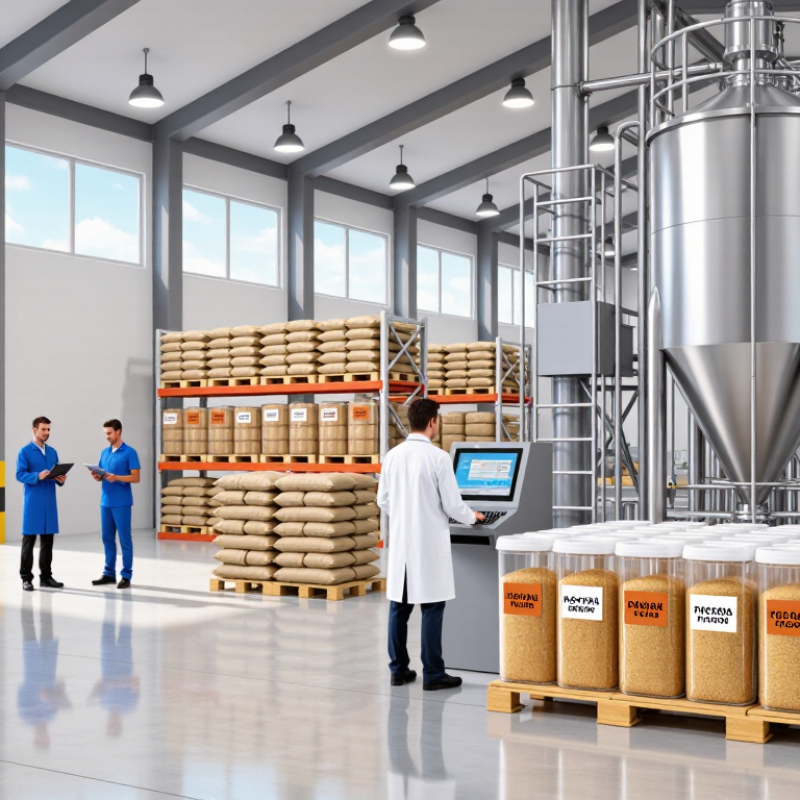
When evaluating suppliers of aromatic feed additives for poultry, look beyond price and a polished product sheet. Ask how each batch is identified, tested, and traced to its raw materials. A reliable supplier should provide a current specification, a batch-specific certificate of analysis, and clear storage guidance. Check whether the stated botanical components and marker compounds match your target formulation. Small details matter.
Tips: Request a sample and compare its aroma, color, and packaging with the specification. Ask for typical production lead times, minimum order quantities, and documents needed for your destination market. Verify critical quality data with an independent laboratory when practical. Ask for evidence.
For a global purchase, assess communication as carefully as production capacity. Can the supplier explain how it handles delayed shipments, damaged packaging, or a batch that falls outside agreed limits? Request references from poultry-feed customers with comparable volumes, then confirm their experience directly where possible. A trial in your own feed conditions can reveal handling issues that a document review misses. Results may vary by diet, farm, and storage practice. No supplier is perfect, and I would revisit the choice after the first few deliveries.
Suggested buyer due-diligence checklist by evaluation area. Bar values show the number of evidence checks listed for each area—not supplier scores or market statistics.
Request and verify relevant documents for your destination market, intended poultry use, and product category. Requirements can vary by jurisdiction.
International buyers sourcing botanical poultry-feed blends can assess seven supplier routes: direct manufacturers, regional distributors, premix companies, feed mills, export traders, integrators, and specialist ingredient importers. Each serves a different need. Producers may provide technical files; distributors may hold local stock. Service still varies by region.
The OECD-FAO Agricultural Outlook 2024–2033 projects poultry meat to account for 43% of additional meat consumed by 2033. This points to growing demand, not proof that a particular feed ingredient works. Request species-specific trial data, inclusion guidance, batch certificates, and stability information. Check that documents match the destination market and shipping conditions. Small gaps matter.
Compare lead times, minimum orders, ingredient origin, and complaint handling. Ask for a recent certificate of analysis and a traceability example, then match lot numbers to the shipment. A modest trial can reveal mixing or handling issues before a full container arrives. I would not treat a polished brochure as proof; field results can differ, and supplier claims deserve scrutiny. Buyers sometimes overlook that.
A dependable poultry supplier should offer more than broad geographic coverage. Check which regions it serves directly and where it relies on local distributors. Ask about typical lead times, minimum order quantities, and how it handles delays. Export experience matters, but it does not guarantee smooth delivery. Confirm that shipment documents, batch details, and product specifications match your destination market’s requirements.
Product support is another useful measure. Look for clear feeding guidance, storage instructions, and access to a qualified technical contact. Ask how the supplier responds when a shipment arrives damaged or product performance differs from expectations. Request recent specification sheets and sample export documents before committing to a large order. I would not judge a supplier by a polished brochure alone. That can be misleading.
Tips: Compare written delivery estimates, support response times, and document samples from each candidate. Keep the comparison in one simple table. It takes only a few minutes. Note any unanswered questions, too; supplier claims deserve verification, and buyers can overlook gaps when they focus only on price.
Choosing a poultry-feed supplier requires more than comparing prices and delivery dates. Ask for a current product specification, a lot-specific certificate of analysis, and clear storage guidance. Check that the documents use matching product names, batch numbers, and dates. Small details matter. A supplier should explain how it controls moisture, keeps packaging intact, and handles complaints. Vague answers deserve follow-up, not assumptions.
Verify the production site and its quality procedures through a video call, facility visit, or independent audit where practical. Request a sample from a recent production lot, then compare its appearance and documentation with the shipment you receive. For higher confidence, arrange suitable third-party testing. Ask about production capacity, lead times, shipping conditions, and traceability if a batch needs investigation. Requirements vary by market, so confirm applicable feed rules with a qualified local adviser.
Tips: Keep a simple supplier scorecard covering document quality, response time, sample consistency, and delivery performance. Ask for references from buyers in similar markets, but verify them independently. Trust, but verify. Price can dominate a spreadsheet; I sometimes have to remind myself that the cheapest offer may cost more when records or communication fall short. Start with a small, manageable order before planning regular volumes.