What Are the Benefits of Vitamin B7 for Global Buyers?
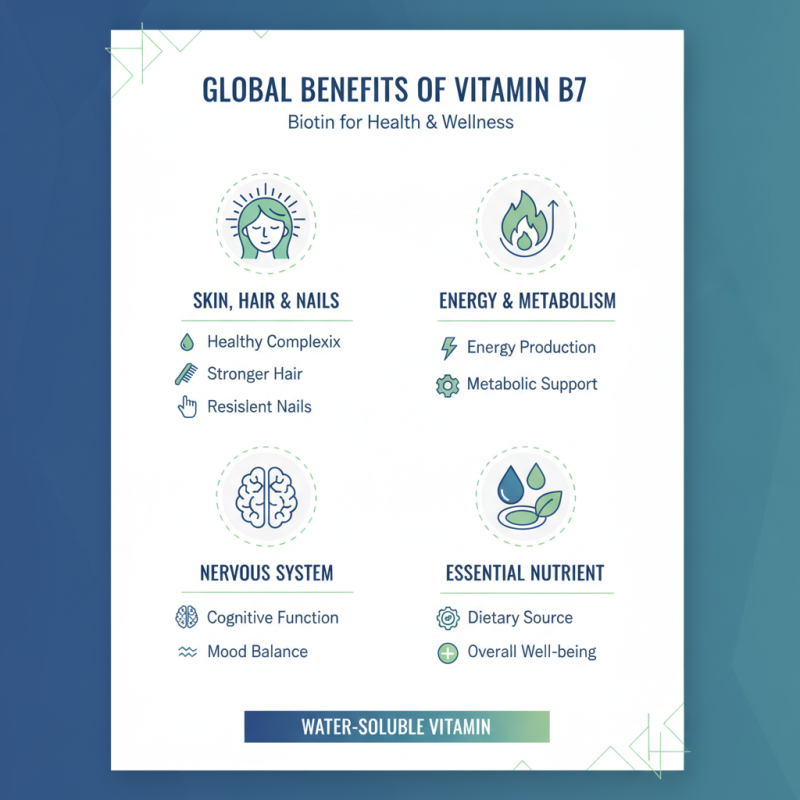
Vitamin B7, also known as biotin, has garnered significant attention in recent years. Its role in promoting healthy skin, hair, and nails appeals to many global buyers. Additionally, Vitamin B7 supports metabolic processes vital for energy production. Its benefits extend to maintaining proper nervous system function, which many might overlook.
For those seeking natural health solutions, Vitamin B7 stands out. It is a water-soluble vitamin, crucial for various bodily functions. Many individuals do not realize their diets may lack this essential nutrient. This aspect could lead to deficiencies, affecting overall well-being.
Some may question the effectiveness of supplements rich in Vitamin B7. Personal experiences vary widely, highlighting the subjective nature of vitamin intake. However, evidence suggests that adequate levels of Vitamin B7 contribute to improved health outcomes. This leads many to consider adding it to their daily regimen.
Understanding Vitamin B7: Overview and Importance
Vitamin B7, also known as biotin, plays a crucial role in human health. It is essential for various metabolic functions, particularly in converting food into energy. Biotin supports the health of skin, hair, and nails, making it especially popular among consumers seeking beauty enhancements. According to a report by the Global Journal of Health Science, adequate biotin intake can lead to improved hair growth and thickness.
Experts suggest that biotin deficiency is relatively rare but can result in skin problems and hair loss. The National Institutes of Health recommend an intake of 30 micrograms per day for adults. Despite its benefits, over-supplementation can lead to potential issues, including skin rashes or digestive disturbances. Thus, moderation is key.
The growing demand for dietary supplements has led to an increase in biotin consumption globally. A market analysis by Mordor Intelligence predicted the biotin industry would reach approximately $1.2 billion by 2026. This growth reflects a rising awareness of biotin's benefits among consumers. Yet, potential buyers should approach products cautiously, ensuring they obtain biotin through reputable sources.
Health Benefits of Vitamin B7 for Skin, Hair, and Nails
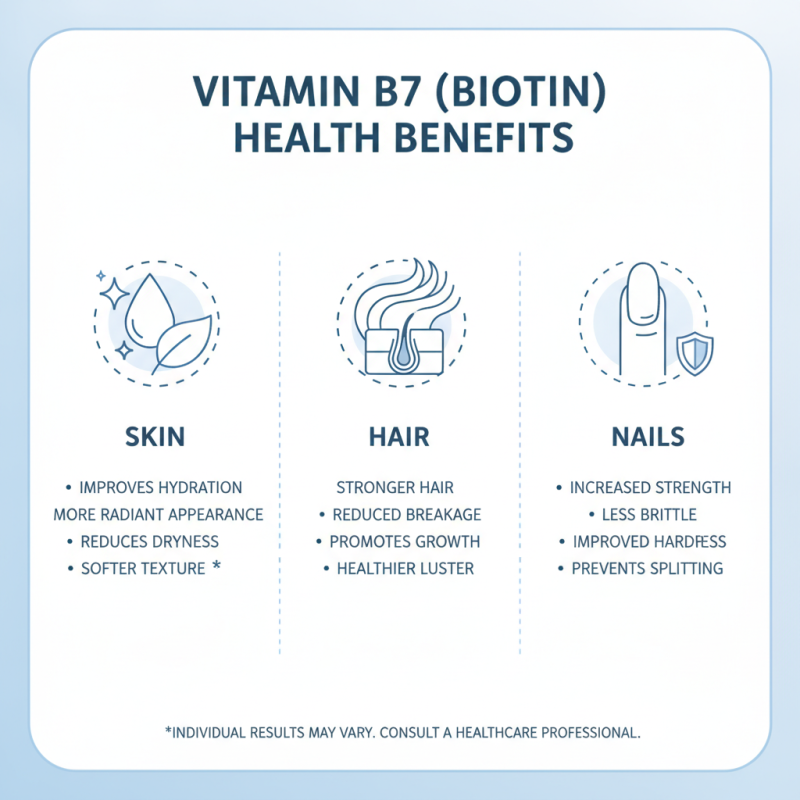
Vitamin B7, also known as biotin, is a vital nutrient for maintaining healthy skin, hair, and nails. For skin, biotin helps improve hydration, making it appear more radiant. People often notice fewer dryness issues and a softer texture with consistent biotin intake. However, not everyone experiences the same effects. Some might find the improvements subtle or even negligible.
When it comes to hair, vitamin B7 plays a crucial role in promoting growth and strength. It has been linked to decreased hair loss and a fuller appearance. Many individuals report less breakage over time, yet some may struggle to see significant changes. The effectiveness of biotin can depend on individual health factors and overall diet.
Nails also benefit from vitamin B7. Regular consumption can lead to stronger and less brittle nails. People often feel a sense of accomplishment with their healthier nails. However, the results can be inconsistent, as genetics and lifestyle choices matter. Biotin is a promising ally, but patience and realistic expectations are key.
Role of Vitamin B7 in Metabolism and Energy Production
Vitamin B7, also known as biotin, plays a vital role in metabolism and energy production. It is essential for converting carbohydrates, fats, and proteins into usable energy. According to the National Institutes of Health (NIH), biotin is crucial in the enzyme functions that facilitate these metabolic processes. A deficiency in vitamin B7 can lead to fatigue, metabolic disruptions, and impaired energy levels.
Research from the Journal of Nutrition indicates that adequate levels of biotin may enhance physical performance. Athletes, for instance, benefit from improved energy production during exercise. This aspect is key for those looking to optimize their fitness routines. The safe upper limit for biotin intake has not been determined, so it is advisable to consume it through a balanced diet.
However, it is essential to consider individual variations in absorption. Some people may not metabolize biotin effectively. A report by the World Health Organization (WHO) highlights the importance of monitoring nutrient intake closely. While supplementing with vitamin B7 is common, it’s vital to reflect on lifestyle and dietary habits. Not everyone may need extra biotin; focusing on a nutrient-rich diet could suffice for many.
What Are the Benefits of Vitamin B7 for Global Buyers? - Role of Vitamin B7 in Metabolism and Energy Production
| Nutritional Role |
Health Benefits |
Sources |
Recommended Daily Intake |
| Metabolizing Carbohydrates, Fats, and Proteins |
Supports skin health and may improve the strength of hair and nails. |
Eggs, nuts, seeds, and avocados |
30 mcg for adults |
| Amino Acid Synthesis |
Promotes healthier metabolism and energy levels. |
Liver, cauliflower, and whole grains |
30 mcg for adults |
| Fatty Acid Synthesis |
May help regulate blood glucose levels. |
Milk, fish, and sweet potatoes |
30 mcg for adults |
| Gene Regulation |
May boost brain health and cognitive function. |
Legumes and bananas |
30 mcg for adults |
Sources of Vitamin B7: Dietary and Supplement Options
Vitamin B7, also known as biotin, is crucial for metabolic health. It converts carbohydrates, fats, and proteins into energy. This process is vital for overall well-being. Many studies emphasize the importance of B7 for hair, skin, and nail health. According to the National Institutes of Health, adequate biotin levels can lead to improved hair growth and healthier skin.
Dietary sources of biotin are abundant. They include egg yolks, nuts, and whole grains. Incorporating these foods can help meet daily requirements. A 2021 report by the Journal of Nutrition found that a balanced diet can provide enough biotin for most people. However, individuals with specific dietary restrictions may struggle to reach optimal levels.
Supplement options are gaining popularity. Many consumers choose biotin pills or gummies. Market research indicates that biotin supplements have seen a 20% growth in recent years. Despite the benefits, it's essential to approach supplementation cautiously. High doses may lead to side effects, and adequate intake should ideally come from food sources. A thoughtful approach can help ensure balanced levels of this vital nutrient.
Benefits of Vitamin B7 for Global Buyers
This chart displays the richness of Vitamin B7 (Biotin) in various dietary sources and supplements in micrograms per serving. It highlights the significant nutritional value provided by both natural food sources and dietary supplements for global buyers looking to improve their health.
Market Trends and Demand for Vitamin B7 Among Global Consumers
Vitamin B7, also known as biotin, is gaining attention in the global market. The vibrant demand stems from its crucial role in promoting healthy skin, hair, and nails. According to a recent report by Grand View Research, the global biotin market is expected to reach $1.1 billion by 2025, growing at a CAGR of 6.1%. This surge reflects increased consumer awareness and the rising trend of self-care, where vitamin supplements are viewed as essential.
Among global consumers, the interest in vitamin B7 is fueled by a shift toward preventive health care. The growing popularity of clean-label products signifies that consumers prefer supplements with transparent ingredient profiles. Notably, 75% of consumers reported choosing natural supplements in a survey by Market Research Future. This trend highlights a preference for products that integrate seamlessly into daily routines, making B7 an attractive choice for health-conscious buyers.
Tips: When exploring biotin products, check for third-party testing certifications. Transparency in sourcing can indicate quality. Additionally, consider dosage recommendations, as excess intake might not yield better results. Understanding these factors can help buyers make informed decisions in a crowded market.