
Leave Your Message

2026 Best Ferrous Ascorbate Folic Acid Suppliers?

Choosing the best Ferrous Ascorbate Folic Acid suppliers in 2026 requires more than comparing prices or polished websites. Buyers need evidence of formulation expertise, stable manufacturing, transparent testing, and dependable delivery. This ingredient combines an iron source, vitamin C, and folic acid. Each component can affect stability, absorption, taste, and product performance.

Dr. Godfrey P. Oakley Jr., a leading epidemiologist and folic acid advocate, has described folic acid fortification as “one of the most successful public health interventions in history.” His statement highlights an important point. Quality matters beyond the label. A supplier should provide batch-specific certificates of analysis, identity testing, impurity controls, and documented storage conditions. Manufacturing facilities should also follow recognized quality systems, such as GMP principles and validated testing procedures.

Real purchasing experience reveals uncomfortable details. A supplier may answer quickly but provide weak technical documents. Another may offer excellent specifications but struggle with lead times. Neither signal should be ignored. Buyers should examine particle size, assay ranges, packaging protection, shelf-life data, and compatibility with tablets, capsules, or premixes. Independent laboratory verification can add confidence.

The strongest suppliers communicate clearly when problems occur. They explain deviations, investigate root causes, and document corrective actions. That level of honesty is valuable. Still, no supplier is perfect, and this comparison cannot replace professional quality assessment. The 2026 supplier landscape will favor companies that combine scientific competence, traceability, responsive service, and consistent Ferrous Ascorbate Folic Acid quality. A careful shortlist is wiser than a rushed contract.

2026 Best Ferrous Ascorbate Folic Acid Suppliers?

What Is Ferrous Ascorbate Folic Acid?

Ferrous ascorbate folic acid is a combined nutritional ingredient, not a single mineral. Ferrous ascorbate supplies iron in a form paired with ascorbic acid, commonly called vitamin C. Vitamin C can improve iron solubility and support non-heme iron absorption in the digestive tract. Folic acid is the synthetic form of folate, a B vitamin needed for DNA production and red blood cell formation.

The need is substantial. The World Health Organization’s 2023 anaemia estimates report that 30% of women aged 15–49 years worldwide are anaemic. The rate rises to 37% among pregnant women. Iron deficiency is not the only cause, but it remains an important contributor. WHO also identifies folate insufficiency as a preventable risk linked to neural tube defects. Small molecules. Serious consequences.

For buyers assessing ferrous ascorbate folic acid suppliers, technical documents matter more than attractive claims. Check elemental iron content, folic acid assay, impurity limits, moisture, microbial testing, and batch-to-batch consistency. A current certificate of analysis should match the tested lot. Manufacturing under recognized quality systems also supports traceability. The NIH Office of Dietary Supplements notes that iron absorption changes with dietary inhibitors, gastrointestinal conditions, and individual status. Therefore, a higher assay does not automatically mean better clinical performance. Formulation details can change the result, and this is often overlooked. Supplier comparisons should include stability data, packaging protection, documentation quality, and evidence supporting the intended use.

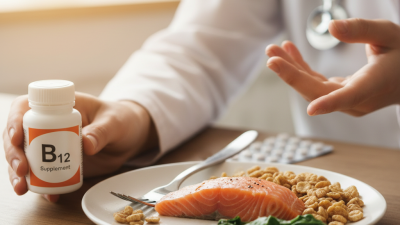
How to Evaluate Ferrous Ascorbate Folic Acid Suppliers in 2026

Choosing ferrous ascorbate folic acid suppliers in 2026 requires more than comparing prices. A dependable supplier should provide current GMP certificates, a detailed Certificate of Analysis, and full batch traceability. Check assay results for both iron and folic acid. Review moisture, microbial limits, heavy metals, and elemental impurities. Ask whether testing is performed in-house or by an independent laboratory. Clear answers matter.

I have found that documentation often reveals more than sales presentations. Request representative samples, stability data, packaging specifications, and recent batch records. Confirm the supplier’s ability to maintain consistent particle size, color, and dissolution performance. Discuss minimum order quantities and realistic lead times. A low quoted price may become expensive when shipments arrive late or fail incoming inspection. Product claims should also match applicable food, supplement, or pharmaceutical requirements in your target market.

Tips: Audit the facility remotely or in person when possible. Ask for two or three consecutive batch reports, not one perfect example. Verify certificates directly with the issuing laboratory. Keep retained samples for comparison. Also, question vague answers. Some suppliers provide polished documents but limited technical depth. That is a warning sign. My own evaluation process is not flawless; unexpected variation can still appear after scale-up. Build testing, corrective actions, and supplier reviews into the purchasing plan. A reliable relationship grows through evidence, not promises.

2026 Best Ferrous Ascorbate Folic Acid Suppliers? - How to Evaluate Ferrous Ascorbate Folic Acid Suppliers in 2026
Evaluation Dimension What to Verify Strong Supplier Benchmark Evidence to Request Suggested Weight
Identity and Composition Correct identity, dosage strength, iron content, folic acid content, and compliance with the agreed specification. Clear product specification with defined assay limits and impurity limits. Current specification sheet, certificate of analysis, product data sheet, and approved test methods. 15%
Assay Consistency Batch-to-batch consistency for ferrous ascorbate and folic acid. Validated testing procedures and consistent results across recent commercial batches. Three or more recent batch certificates with batch numbers, test dates, and acceptance criteria. 12%
Contaminant Control Heavy metals, microbial contamination, residual solvents, pesticides where applicable, and other relevant impurities. Risk-based contaminant limits aligned with the destination market and product use. Heavy-metal report, microbiological report, residual-solvent statement, and contaminant risk assessment. 12%
Quality-System Certification Whether the manufacturing site operates under a recognized quality-management system. Current GMP certification where applicable, supported by ISO 9001 or an equivalent quality system. Valid certificates showing the legal manufacturing site, scope, issuing body, and expiration date. 12%
Regulatory Readiness Ability to support food, dietary supplement, pharmaceutical, or fortified-product requirements in the target market. Documented regulatory support and market-specific labeling and technical documentation. Regulatory status statement, allergen declaration, non-GMO statement where relevant, and applicable safety documentation. 10%
Traceability Ability to trace raw materials, processing records, packaging, and distribution history. Unique batch coding and traceability from incoming materials through finished-goods shipment. Sample batch record, traceability procedure, recall procedure, and mock-recall results if available. 8%
Stability and Shelf Life Protection against oxidation, moisture, light, and degradation during storage and transportation. Shelf-life data generated under defined storage conditions with packaging justification. Stability summary, recommended storage conditions, retest or expiry period, and packaging specification. 8%
Technical Support Response quality, formulation assistance, documentation support, and complaint handling. Dedicated technical contact with documented response and corrective-action procedures. Technical questionnaire responses, complaint procedure, corrective-action example, and service-level commitment. 8%
Minimum Order Quantity Commercial feasibility for sampling, pilot production, and regular purchasing. Sample quantities available; commercial MOQ clearly stated and suitable for the buyer’s forecast. Formal quotation showing sample policy, MOQ, packaging options, and price validity period. 5%
Lead Time and Supply Capacity Production schedule, inventory policy, annual capacity, and ability to meet demand fluctuations. Typical production lead time of approximately 3–8 weeks, subject to quantity and specification. Capacity statement, historical delivery performance, production calendar, and continuity plan. 5%
Packaging and Logistics Protection from humidity, light, contamination, and physical damage during shipment. Food- or pharmaceutical-suitable packaging with clear batch, net-weight, storage, and handling information. Packaging specification, shipping carton details, palletization standard, and transport-condition guidance. 3%
Commercial Transparency Clarity of pricing, payment terms, Incoterms, documentation charges, and change-control policy. Written quotation with no unexplained charges and documented notification of specification changes. Quotation, sales terms, change-control policy, and sample purchase agreement. 2%
Recommended decision rule: Give preference to suppliers scoring at least 80/100, provided they pass mandatory checks for identity, contaminant control, applicable GMP or quality-system requirements, traceability, and valid supporting documentation. Lead times and MOQ ranges are practical evaluation benchmarks rather than guarantees and should be confirmed in writing for each purchase.

Key Quality, Safety, and Certification Requirements

2026 Best Ferrous Ascorbate Folic Acid Suppliers?

Key Quality, Safety, and Certification Requirements

Choosing a ferrous ascorbate folic acid supplier requires more than a competitive quotation. Quality starts with verified raw-material identity, accurate assay results, and consistent batch performance. Request a current certificate of analysis for every lot. It should cover potency, moisture, particle size, microbiological limits, and heavy metals. Test methods must be clear and scientifically justified. Vague documentation deserves questions.

Reliable suppliers should operate under GMP and maintain an audited quality system, such as ISO 9001 or an equivalent standard. Certifications alone are not enough. Review audit dates, corrective actions, equipment maintenance, and employee training records. During a practical supplier review, inspect packaging seals and warehouse conditions. Heat, humidity, and light can affect stability. Small details matter.

Traceability should reach each raw-material source and production record. Ask for allergen statements, residual-solvent information, and country-of-origin documents when relevant. The supplier should explain its change-control and recall procedures. Samples should match the approved specification before commercial purchase. A clean-looking sample can still hide process variation. That is easy to overlook. Independent laboratory verification may be worthwhile, especially for the first shipment. Specifications should also reflect the product’s intended market and applicable food or supplement regulations. In real purchasing work, delivery speed sometimes receives too much attention. That is a mistake worth reconsidering.

Comparing Supplier Manufacturing, Pricing, and Supply Capacity

2026 Best Ferrous Ascorbate Folic Acid Suppliers?

Supplier manufacturing deserves close inspection because product quality begins long before delivery. Experienced buyers should review batch records, raw material controls, and facility inspection reports. Ask whether ferrous ascorbate and folic acid are blended in controlled environments. Check assay results, moisture limits, particle size, and blend uniformity. A clean certificate of analysis is useful, but it cannot replace independent testing.

Pricing comparisons often look simple and prove misleading. Request a full quotation covering minimum order quantity, packaging, testing, documentation, freight, and payment terms. A lower price may exclude stability studies or special moisture protection. Compare the cost per usable kilogram, not only the quoted unit price. Ask for three recent quotations. Market conditions change quickly.

Supply capacity needs evidence. Request monthly production capacity, average lead time, safety stock policy, and recent delivery performance. A supplier claiming large output should provide production schedules or anonymized shipment records. Dual-site manufacturing can reduce interruption risks, although it may increase qualification work. I have seen buyers accept impressive capacity claims without checking factory utilization. That mistake is avoidable. No checklist is perfect. Keep one backup source qualified, even when the primary supplier performs well.

How to Select the Best Supplier for Your Product Needs

Selecting a ferrous ascorbate folic acid supplier requires more than comparing prices. WHO’s 2024 anaemia estimates reported that 30% of women aged 15–49 were affected in 2019. The rate reached 37% among pregnant women. This demand increases pressure on ingredient quality and supply continuity. Ask for current certificates of analysis, assay results, impurity profiles, microbial limits, and residual-solvent data. Each batch should have clear lot tracing. A reliable supplier should also explain how iron oxidation and folate degradation are controlled during production and storage.

Review the supplier’s quality system against GMP expectations. Confirm audit history, change-control procedures, complaint handling, and recall readiness. USP General Chapters 61 and 62 provide useful references for microbial testing. ICH Q1A(R2) remains relevant when assessing stability plans. Check real stability data, not only a standard shelf-life statement. Packaging matters too. Moisture barriers, light protection, and transport temperature records can influence final product performance. A low quotation may hide weak documentation or inconsistent particle size. That risk deserves attention.

Tips: Request three recent batch records, not one. Compare assay variation across lots. Test a small pilot shipment before signing a long contract. Ask whether the supplier can maintain the same specification during demand spikes. A spreadsheet helps, but it cannot replace a technical audit. Some evaluations still overvalue certificates and undervalue communication speed. That is a mistake worth reconsidering. Supplier selection should match your dosage form, market requirements, target shelf life, and internal testing capacity.