The Best 10 Animal Vitamins for Optimal Health and Wellness?
In our quest for optimal health, we often focus on our well-being. But what about our furry friends? Animal vitamins play a crucial role in maintaining the health of pets. Just like humans, animals require essential nutrients to thrive. A balanced diet might not cover all their vitamin needs.
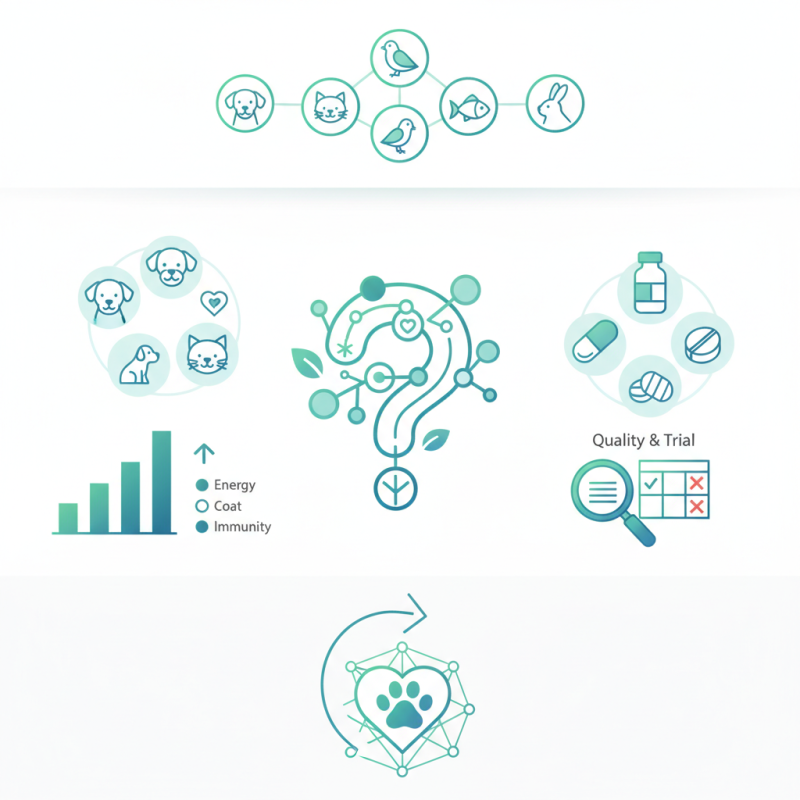
Choosing the right animal vitamins can be overwhelming. Many products flood the market, but not all are created equal. We must consider the specific needs of each pet. Factors like age, breed, and health conditions matter. Quality is key, and reliable sources can help pet owners navigate this space effectively.
A well-chosen vitamin can boost energy levels, improve coat health, and strengthen immune systems. However, it's important to be cautious. Not all vitamins will suit every pet. Sometimes, trial and error is necessary. This journey offers insights into what works and what doesn't, fostering a deeper understanding of our animals' health.
What Are Animal Vitamins and Their Importance for Health?
Animal vitamins play a crucial role in maintaining overall health and wellness in various species. Unlike humans, animals often require specific nutrients that may not be sufficiently present in their regular diet. According to the National Animal Supplement Council, deficiencies in essential vitamins can lead to serious health issues. For example, a lack of vitamin E can cause reproductive problems in dogs, while inadequate vitamin D affects calcium regulation in cats.
Many pet owners may not realize that animals can have unique dietary needs based on their breed, age, and lifestyle. Research published in the Journal of Animal Science indicates that supplementation with vitamins A, D, and E improves immune function. Another study showed that well-balanced vitamin intake supports growth and cognitive development in younger animals. It highlights the need for tailored vitamin plans to cater to individual requirements.
While vitamins are beneficial, misuse can lead to toxicity. Over-supplementation of fat-soluble vitamins can create health risks. Some pet owners might not notice the symptoms of overdose until it’s too late. Regular veterinary consultations can help ensure that animal vitamin intake is managed appropriately. Recognizing the signs of nutritional deficiency or excess is essential for optimal health.
Key Nutrients in Animal Vitamins: Essential Vitamins and Minerals
Animal vitamins play a crucial role in maintaining optimal health and wellness. Key nutrients such as Vitamin A, B vitamins, and Vitamin E are vital for various biological functions. Vitamin A supports vision and immune function. B vitamins are essential for energy production and nervous system health. Furthermore, Vitamin E acts as an antioxidant, protecting cells from damage.
Minerals like calcium and phosphorus are also significant. According to industry reports, deficiencies in these minerals can lead to serious health issues. For instance, inadequate calcium intake can increase the risk of osteoporosis. Data indicates that nearly 40% of pets do not receive enough essential nutrients daily. This highlights a pressing need for balanced nutrition.
Animal owners must be vigilant about their pets' dietary needs. Often, common feeding practices do not meet these needs. Regularly consulting with a veterinarian can provide insights into specific vitamin and mineral requirements. Tailoring diets appropriately can help avoid deficiencies. Achieving optimal health for animals requires careful attention to their nutritional intake.
Top 10 Animal Vitamins for Different Types of Pets
When it comes to keeping our pets healthy, choosing the right vitamins is crucial. Different pets have unique needs. For dogs, joint health is a significant concern. Glucosamine supplements can help support their mobility. Cats, on the other hand, may benefit from taurine, which is essential for heart health. Each animal requires tailored nutrition to thrive.
Small pets like rabbits and guinea pigs also need specific vitamins. Vitamin C is vital for these rodents. They often do not produce enough naturally. Monitoring their diet is crucial, as deficiencies can lead to serious health issues. Birds require different vitamins, particularly Vitamin A, which supports their vision and immune system. Understanding these needs is essential in ensuring optimal wellness for all pets.
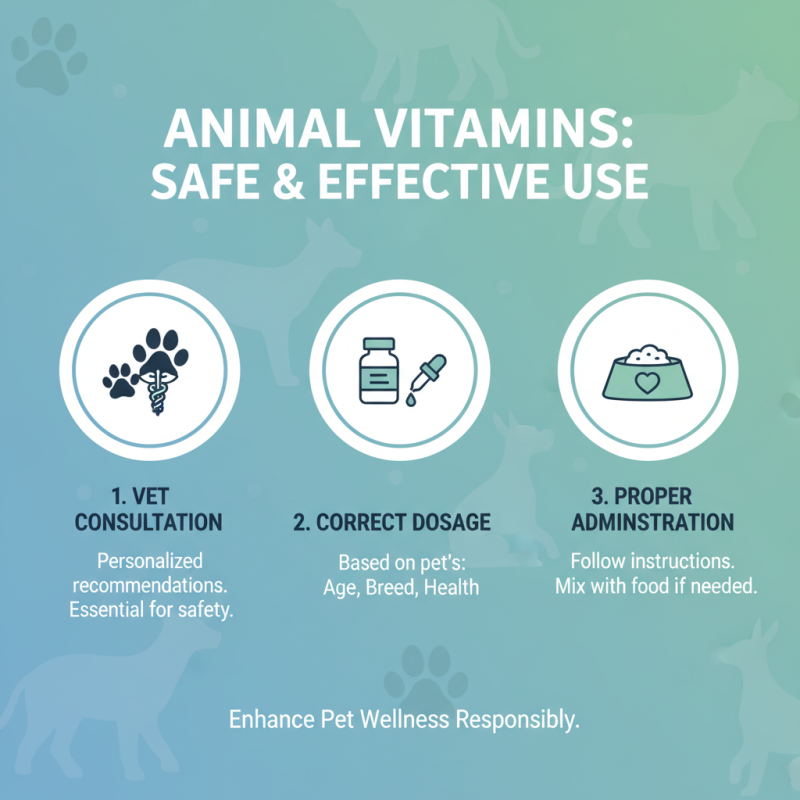
Proper dosing is also a factor that pet owners sometimes overlook. Over-supplementation can lead to adverse effects. Consult a veterinarian for guidance. Keeping an eye on your pet's behavior and health can reveal if they need changes in their vitamin intake. Each pet is unique, and understanding their specific requirements can help improve their quality of life.
How to Choose the Right Animal Vitamins for Your Pet
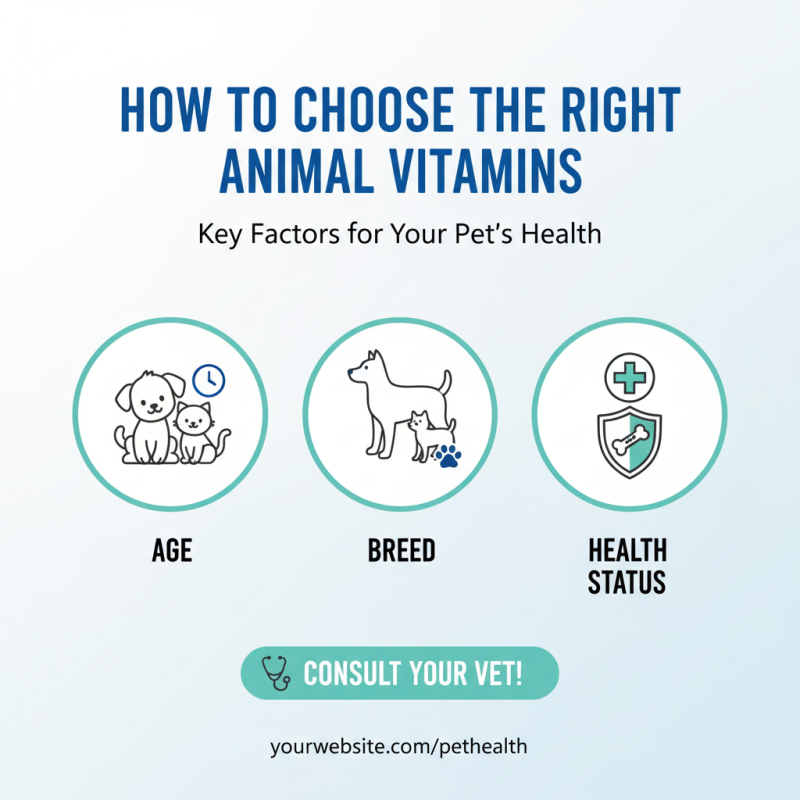
Choosing the right vitamins for your pet can be overwhelming. With so many options available, it's essential to understand what your animal needs. Not all pets require the same vitamins. Factors such as age, breed, and health status play a crucial role in this decision.
Consider your pet’s diet first. If they eat commercial food, it may already contain essential nutrients. However, homemade diets might lack specific vitamins. Consult your veterinarian for guidance. A professional can recommend the appropriate vitamins based on your pet's individual needs.
**Tips:** Always look for quality and safety certifications. This ensures the vitamins are tested for purity and efficacy. Make gradual changes to your pet's vitamin regimen. This allows you to monitor for any adverse reactions. Observe your pet’s behavior and health after introducing new supplements.