How to Source High Quality Vitamin K1 for Your Business?
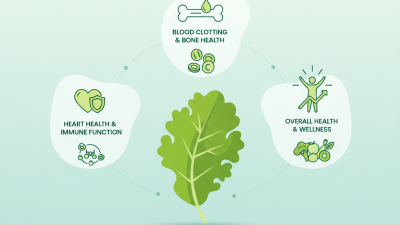
Sourcing high quality Vitamin K1 is crucial for any business in the health and wellness sector. This essential nutrient plays a vital role in blood clotting and bone health. However, finding a reliable supplier can be challenging. The market is flooded with options, and not all sources deliver the same potency or purity.
When selecting Vitamin K1, consider the origin and extraction methods. Some suppliers might offer lower prices, but the quality may suffer. Research potential companies and check their credibility. Look for certifications and customer reviews. Engage in discussions with suppliers to understand their sourcing processes. This can reveal much about their commitment to quality.
Sometimes, businesses overlook the importance of transparency. Not every supplier will disclose full information about their products. This can lead to subpar ingredients, harming not only the product but also your brand's reputation. Seek suppliers who are willing to share detailed specifications and test results. In this way, you can ensure you're providing high-quality Vitamin K1 to your customers.
Understanding Vitamin K1: Its Importance and Uses in Industries
Vitamin K1, a fat-soluble vitamin, plays a crucial role in blood clotting and bone health. Recent studies highlight its importance across various industries, including pharmaceuticals and food. According to a report by Grand View Research, the global vitamin K market size was valued at over $2 billion in 2022, with an expected growth rate of 6.5% from 2023 to 2030. This surge reflects a growing awareness of the vitamin's benefits.
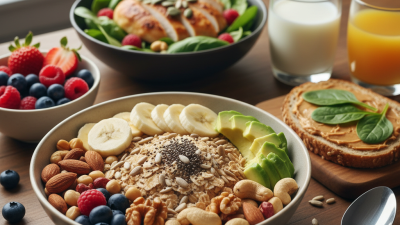
In the food industry, vitamin K1 fortification in products enhances their nutritional value. Leafy greens, a rich source of K1, are increasingly being recognized for their health benefits. For instance, the USDA reports that one cup of kale contains approximately 1,200% of the daily recommended value of vitamin K1. This fact indicates the potential for fortifying processed foods with K1 to meet consumer demand for healthier options.
However, sourcing high-quality vitamin K1 can be challenging. Contamination during extraction or instability of the nutrient can compromise its efficacy. Businesses must conduct thorough quality checks and ensure suppliers adhere to strict standards. Engaging with certified manufacturers and understanding the nuances of vitamin sourcing can mitigate risks. This focus on quality assurance is essential in delivering effective products. Understanding these complexities helps industries maximize the potential of vitamin K1.
Vitamin K1 Quality Comparison
This chart presents a comparison of various sources of Vitamin K1 in terms of their purity levels and production methods. It highlights the importance of sourcing high-quality Vitamin K1 for nutritional products.
Identifying Reputable Suppliers of High-Quality Vitamin K1
When sourcing high-quality Vitamin K1, identifying reputable suppliers is crucial. A recent report by the Nutritional Supplements Association highlighted that over 30% of vitamin suppliers fail to meet industry quality standards. This underscores the importance of thorough vetting. Suppliers should provide proof of certifications like NSF or GMP to ensure compliance with safety regulations.
Look for suppliers with a solid reputation in the industry. Companies with a history of transparent practices are more likely to offer quality products. A study by the International Dietary Supplement Quality Assurance Organization found that brands with third-party testing consistently deliver higher quality. Reach out to potential suppliers and ask for their testing processes. Verification is key.
Additionally, assess the sourcing and manufacturing practices of these suppliers. Ethical sourcing can lead to better quality. Reports indicate that sustainably sourced Vitamin K1 shows higher bioavailability. Strive for a partnership that prioritizes integrity, transparency, and quality. Not every supplier meets these standards; diligence is essential in making informed decisions.
Evaluating the Quality Standards for Vitamin K1 Products
When sourcing high-quality Vitamin K1, evaluating quality standards is crucial. The dosage and form of Vitamin K1 directly impact its efficacy. According to a recent report by the Global Nutrition Report, only 50% of Vitamin K1 products meet stringent quality benchmarks set by regulatory bodies.
Manufacturers should prioritize sourcing raw materials that are rigorously tested for purity. High-quality Vitamin K1 should have a minimum of 90% potency. Products with lower potency may not deliver the desired health benefits. Testing for heavy metals and contaminants is also essential. Recent studies indicate that about 30% of Vitamin K1 supplements fall short due to contamination issues.
Transparency in sourcing is vital. Seek suppliers who provide certificates of analysis to confirm purity and potency. Regularly assess supplier reliability. A 2022 survey showed that 40% of businesses switched suppliers due to quality concerns. This highlights the need for ongoing evaluation. Quality standards for Vitamin K1 products are not static. Continuous improvement in sourcing practices ensures consistent quality and consumer trust.
How to Source High Quality Vitamin K1 for Your Business? - Evaluating the Quality Standards for Vitamin K1 Products
| Quality Parameter |
Standard |
Testing Method |
Source |
| Purity |
> 98% |
HPLC |
Synthetic / Natural |
| Heavy Metals |
< 10 ppm |
ICP-MS |
Audit Reports |
| Microbial Limits |
< 100 CFU/g |
Standard Plate Count |
Batch Testing |
| Solubility |
Water soluble / Oil soluble |
Solubility Testing |
Supplier Specifications |
| Stability |
2 years at -20°C |
Accelerated Stability Testing |
Supplier Data Sheets |
Assessing Pricing and Cost Factors in Vitamin K1 Sourcing
When sourcing high-quality Vitamin K1, assessing pricing and cost factors is crucial. Market reports indicate that the price of Vitamin K1 can vary significantly. Quality is the primary driver of price, with pure forms costing more than synthetic alternatives. According to a 2022 industry analysis, high-purity Vitamin K1 can range from $200 to $400 per kilogram. Understanding these variances can help businesses make informed purchasing decisions.
It’s vital to evaluate suppliers. Look for those with established reputations. Verify their certifications and quality assurance processes. Access to reliable third-party testing data enhances trust. Some suppliers may offer lower prices but compromise on quality. This can affect product effectiveness, leading to potential issues later on.
Tip: Always request samples before committing. This allows testing in your formulations.
In navigating cost factors, consider the total cost of ownership, not just the upfront price. Hidden costs like shipping, customs, and tariffs can add up. A comprehensive analysis often reveals that cheaper options may become more expensive over time.
Tip: Keep an eye on market trends. Prices can fluctuate due to supply chain disruptions or changes in demand. Regular reassessments will enable better financial planning.
Establishing Reliable Contracts and Relationships with Suppliers
Sourcing high-quality Vitamin K1 requires establishing strong contracts and relationships with suppliers. Start by researching potential suppliers. Look for companies with a proven track record in herbal supplements. Learn about their sourcing methods and quality controls. This knowledge helps in assessing their reliability.
Build a rapport with your suppliers. Frequent communication can foster trust. Discuss your quality requirements clearly. This clarity helps in setting expectations and securing better terms. Negotiating contracts can be complex, but transparency is key. Ensure that both parties understand the obligations outlined in the agreement.
Review the suppliers periodically. This practice fosters accountability. Adapt your strategy as needed. Some relationships may not meet your expectations over time. Reflect on these experiences. Learn from successes and setbacks. Such evaluations can lead to more fruitful partnerships in the future, enhancing your Vitamin K1 sourcing process.