China Top Vitamin A Suppliers Daily Recommended Intake?
China has become an important source of vitamin A ingredients, premixes, and finished supplements for global manufacturers. This article examines China top vitamin A suppliers and the quality systems behind their products. It considers manufacturing experience, testing practices, documentation, and supply consistency. These details matter when vitamin A is used in capsules, fortified foods, animal nutrition, or specialized formulations.
The discussion also explains Daily Recommended Vitamin A values for different age groups and life stages. Requirements may be expressed in retinol activity equivalents, or RAE, rather than simple milligram amounts. For example, adults often need about 700–900 micrograms RAE daily, while pregnancy and breastfeeding can change nutritional needs. Exact guidance depends on age, sex, health status, and local authority recommendations. Check the label carefully. Excessive preformed vitamin A may cause harm, especially during pregnancy or when combined with other supplements.
Reliable suppliers should provide certificates of analysis, batch traceability, purity results, and clear information about retinol or beta-carotene sources. Independent laboratory verification is valuable, but it does not replace responsible supplier evaluation. A low price can look attractive. It may also hide differences in stability, packaging, or technical support. Buyers should compare specifications, production capacity, audits, and delivery records before making a decision.
Some supplier claims deserve closer questioning. “Top” is not an official global ranking. It can reflect export volume, reputation, certification, or a buyer’s specific needs. This article therefore presents a practical framework, not an absolute verdict. Readers should confirm current specifications and consult qualified nutrition professionals before making dietary decisions.

What Is Vitamin A and Why Is It Important?
What Is Vitamin A and Why Is It Important?
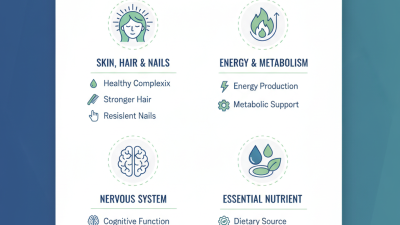
Vitamin A is a fat-soluble nutrient found as retinol and provitamin A carotenoids. It supports normal vision, immune defense, skin, and reproductive health. In the eye, retinal helps convert light into signals. Without enough vitamin A, night vision may weaken first. Severe deficiency can damage the cornea.
The World Health Organization reports that vitamin A deficiency affects about 190 million preschool children and 19 million pregnant women worldwide. These figures show why reliable nutrition information matters. However, more is not always better. The NIH Office of Dietary Supplements recommends 900 micrograms of retinol activity equivalents (RAE) daily for adult men and 700 micrograms for adult women. During pregnancy, the recommendation is 770 micrograms RAE. The tolerable upper intake level for preformed vitamin A is 3,000 micrograms RAE daily for adults. This limit does not apply in the same way to beta-carotene from foods. The distinction is easy to miss.
Tips:
Choose colorful vegetables, eggs, dairy, or fish as practical sources. Pair plant sources with a small amount of healthy fat. Check whether a supplement lists retinol, RAE, or beta-carotene. I would not treat a supplier specification as a personal prescription. Product testing supports quality, but individual needs still require professional assessment. Pregnant consumers should avoid high-dose preformed vitamin A unless advised by a qualified clinician.
What Is the Daily Recommended Intake of Vitamin A?
Vitamin A supports normal vision, immune function, skin maintenance, and reproduction. For healthy adults, established dietary guidance lists 900 micrograms of retinol activity equivalents (RAE) daily for men and 700 micrograms for women. Pregnancy raises the recommendation to 770 micrograms. Breastfeeding generally requires 1,300 micrograms daily. These figures include retinol and provitamin A carotenoids from food and supplements.
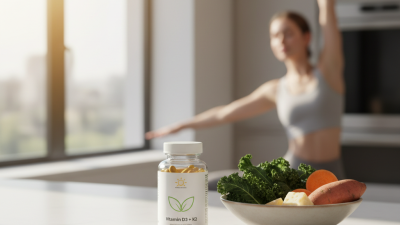
Food sources include liver, eggs, dairy products, carrots, pumpkin, and dark green vegetables. Absorption may improve when vegetables are eaten with a small amount of dietary fat. The numbers look precise, but nutrition is not perfectly tidy. Age, health status, diet quality, and absorption problems can change individual needs. Children also require different amounts, so adult guidance should not be copied for them.
More is not automatically safer. The tolerable upper intake level for preformed vitamin A is 3,000 micrograms RAE daily for most adults. This limit does not apply in the same way to beta-carotene from ordinary foods. Excessive preformed vitamin A may harm the liver and can create serious risks during pregnancy. Anyone comparing vitamin A specifications from suppliers should check the chemical form, potency, testing records, and unit conversion. A certificate alone is not enough. People with liver disease, malabsorption, or pregnancy-related concerns should seek qualified medical advice before using concentrated products.
Which Vitamin A Forms Are Used in Supplements?
Vitamin A supplements usually contain either preformed vitamin A or provitamin A carotenoids. Preformed vitamin A appears mainly as retinyl palmitate or retinyl acetate. These forms are stable and widely used in capsules, tablets, and fortified powders. Their activity is direct, so dosage requires careful control.
Beta-carotene is the best-known provitamin A form. The body converts it into vitamin A as needed, although conversion varies among individuals. Other carotenoids, such as alpha-carotene and beta-cryptoxanthin, may also contribute.
Their color is noticeable: powders can range from pale yellow to deep orange. Suppliers should verify identity, purity, oxidation, and potency through batch testing and clear certificates of analysis.
A common review mistake is treating every “vitamin A” label as equivalent. It is not. Daily intake guidance often separates retinol activity from carotenoid activity, so the unit and source deserve attention. I would also check storage conditions, because heat, oxygen, and light can reduce potency. Some formulations look technically correct but lack useful stability data. That should invite questions, not assumptions. For sensitive products, opaque packaging and antioxidant protection may help, but they cannot replace validated testing.
How to Evaluate Top Vitamin A Suppliers in China?
Evaluating top vitamin A suppliers in China should begin with evidence, not search rankings. The NIH Office of Dietary Supplements lists adult daily needs at 900 micrograms RAE for men and 700 micrograms RAE for women. It also sets the adult upper limit at 3,000 micrograms RAE from preformed vitamin A. These figures help buyers review dosage claims and prevent excessive formulation targets.
Ask for a current certificate of analysis, batch number, assay method, and manufacturing date. High-quality suppliers should provide traceability from raw material to sealed container. Check whether testing covers potency, residual solvents, heavy metals, microbial limits, and oxidation markers. For sensitive vitamin A forms, request stability data under heat, light, and humidity. A clean sample should match the documented specification.
Look beyond certificates. Audit the production site, quality system, calibration records, and change-control process. ISO or GMP certification can support confidence, but it cannot replace independent verification. Request testing by an accredited laboratory when the purchase is significant. WHO and FAO technical guidance also emphasizes accurate nutrient measurement and safe intake levels. One overlooked detail is packaging; opaque, oxygen-limited containers can protect vitamin A during transport. No audit is perfect. I would still test an incoming batch before approving regular supply. (Sources: NIH Office of Dietary Supplements, Vitamin A and Carotenoids Fact Sheet, 2024; WHO/FAO, Human Vitamin and Mineral Requirements.)