Leave Your Message

China Best Vitamin K Supplier for Global Buyers?

China Best Vitamin K Supplier for Global Buyers? This question deserves evidence, not marketing volume. Global buyers need reliable Vitamin K suppliers with stable quality, transparent sourcing, and practical technical support.

Vitamin K includes several forms, especially Vitamin K1 and Vitamin K2. Each form may require different testing, documentation, and formulation knowledge. Cees Vermeer, a respected vitamin K researcher, stated, “Vitamin K is not one single compound, but a family of vitamins.” This distinction matters when buyers compare powders, oil-based products, and finished supplements. A supplier may offer attractive pricing, yet pricing alone cannot confirm performance.

Look closely at manufacturing records. Ask for batch-specific certificates of analysis, identity testing, purity results, and microbiological controls. Traceability should connect raw materials with production dates and final packaging. Clear storage guidance also matters, because light, oxygen, and temperature can affect product stability. Responsible suppliers should explain their quality systems without making exaggerated health claims.

Details reveal experience. A dependable partner answers technical questions directly. They should discuss particle size, carrier oils, packaging options, and shelf-life data. They should also support compliant labels for the buyer’s target market. No supplier is perfect. I would still question unclear certificates, unusually low prices, or impressive claims without independent evidence. China has capable Vitamin K manufacturers, but capability varies widely. This guide examines the practical signals that separate a dependable supplier from a polished listing. The goal is not the fastest purchase. It is a traceable, evidence-based decision that protects product quality and long-term buyer confidence.

China Best Vitamin K Supplier for Global Buyers?

Vitamin K: Types, Functions, and Global Market Applications

Vitamin K: Types, Functions, and Global Market Applications

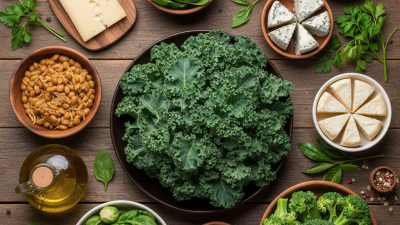
Vitamin K mainly appears as K1 and K2. K1, or phylloquinone, comes largely from leafy vegetables. K2 includes menaquinones, such as MK-7 and MK-4. These forms differ in structure, stability, absorption, and application value. The NIH Office of Dietary Supplements identifies vitamin K as essential for blood-clotting proteins and bone metabolism. It also reports adequate intakes of 120 micrograms daily for adult men and 90 micrograms for adult women in the United States.

Global demand is expanding beyond basic dietary supplements. Grand View Research estimates that the vitamin K market reached about USD 1.1 billion in 2023. Its analysis also indicates continued growth through 2030. Food fortification, clinical nutrition, pharmaceutical development, and animal nutrition support this expansion. K1 often suits fortified foods and general nutrition products. Selected K2 forms receive stronger attention in bone and cardiovascular research, although evidence is not equally strong for every claim.

For global buyers assessing Chinese vitamin K suppliers, technical documentation matters more than a low quotation. Request assay results, isomer identification, residual solvent data, microbiological limits, and stability results under heat and humidity. Confirm whether the material is oil-based, powder-based, or microencapsulated. Small differences can affect blending and shelf life. A market number can look precise, yet reporting methods vary widely. That deserves careful review. Supplier audits, batch traceability, and independent testing remain practical safeguards.

How to Evaluate a Reliable Vitamin K Supplier in China

How to Evaluate a Reliable Vitamin K Supplier in China

For global buyers, evaluating a vitamin K supplier requires more than comparing prices. A dependable supplier should provide clear product specifications, recent certificates of analysis, and complete batch traceability. Check the vitamin K form carefully, such as K1 or K2, because their applications and testing needs differ. Ask for details on purity, carrier materials, storage conditions, and shelf life. Small details often reveal operational discipline.

A qualified supplier should explain its quality system without avoiding difficult questions. Request evidence of GMP-based production, identity testing, microbiological control, and heavy metal analysis. Independent laboratory reports can strengthen confidence, especially for export orders. Review the supplier’s technical documents and regulatory support for your target market. Samples should arrive in sealed packaging with batch numbers and matching documentation. The paperwork must agree.

Communication also matters. Experienced suppliers respond clearly when specifications change or a shipment faces delay. During my own supplier reviews, I have found that fast replies do not always mean strong quality control. A factory tour, video audit, or third-party inspection may reveal more than polished presentations. No audit is perfect. Ask how deviations are recorded, investigated, and corrected. Reliable suppliers welcome reasonable scrutiny, but buyers should still verify every critical claim before signing a long-term agreement. A missing detail can matter.

China’s Vitamin K Manufacturing Standards and Quality Controls

China’s vitamin K manufacturers are often judged by price. Serious buyers should inspect the control system behind every batch. Qualified facilities typically apply GMP, HACCP, and ISO 22000-based food safety procedures. Raw materials require approved suppliers, identity testing, and documented quarantine before use. For vitamin K2, laboratories commonly verify menaquinone profiles and potency through HPLC or LC-MS testing. Microbial limits, heavy metals, residual solvents, and moisture should also appear in the release specification.

The NIH Office of Dietary Supplements lists adequate intakes of 120 micrograms daily for adult men and 90 micrograms for adult women. This narrow nutritional range makes analytical accuracy important. The FAO/WHO Human Vitamin and Mineral Requirements report also supports vitamin K assessment by body-weight-based intake considerations. Buyers should request a complete certificate of analysis, including batch number, test method, detection limit, result, and approval signature. Traceability should reach the raw-material lot and production date. Keep records.

Still, paperwork can look cleaner than the factory floor. A certificate is evidence, not proof of everything. On-site audits should examine cleaning logs, calibration records, temperature controls, worker hygiene, and retained samples. Independent testing remains sensible, especially when color, odor, or assay results appear unusual. No quality system is flawless; weak supplier qualification or rushed sampling can create hidden risks. Clear specifications, split samples, and periodic re-testing give global buyers stronger control over Chinese vitamin K supply chains.

Export, Documentation, and Compliance for Global Vitamin K Buyers

China Best Vitamin K Supplier for Global Buyers?

For global Vitamin K buyers, export readiness matters as much as assay results. In practical sourcing, a complete document package should include a commercial invoice, packing list, certificate of analysis, safety data sheet, batch traceability, and country-of-origin details. Buyers should also verify the applicable HS classification with customs professionals. Classification errors can delay clearance.

Documentation must match the product form, such as Vitamin K1, MK-4, or MK-7. Specifications should state assay, impurities, microbiological limits, residual solvents, storage conditions, and shelf life. The NIH Office of Dietary Supplements reports adequate Vitamin K intakes of 120 micrograms daily for adult men and 90 micrograms for adult women. This helps buyers review labeling claims carefully. It does not replace local regulatory review.

Compliance varies across markets. Food, supplement, and pharmaceutical applications may require different registrations, manufacturing controls, and evidence packages. Quality systems should align with relevant GMP expectations, while testing methods should reference recognized pharmacopeial or validated procedures. A certificate alone is not proof of consistent quality. Small gaps hurt. In my experience, buyers often overlook temperature records during ocean transport. That is a weakness worth correcting. Supplier audits, retained samples, change-control records, and stability data provide stronger evidence than attractive brochures. Still, documentation can be imperfect, so every critical claim should be independently checked before shipment.

China Best Vitamin K Supplier for Global Buyers? - Export, Documentation, and Compliance for Global Vitamin K Buyers

Buyer Evaluation Dimension Relevant Vitamin K Information Export or Compliance Evidence Practical Buyer Checkpoint
Primary Vitamin K Forms Vitamin K1 is commonly supplied as phylloquinone. Vitamin K2 includes menaquinone forms such as MK-4 and MK-7. Product specification, ingredient declaration, assay method, and form-specific certificate of analysis. Confirm that the chemical form matches the intended food, supplement, or pharmaceutical application.
Assay and Identity The certificate of analysis should state the assay result, identification test, batch number, manufacturing date, and retest or expiry date. Batch-specific COA supported by a validated or officially recognized analytical method. Match the COA batch number with the packaging, invoice, and shipping documents.
Stability and Storage Vitamin K ingredients may require protection from light, heat, oxygen, or moisture, depending on the formulation and delivery system. Storage statement, recommended transport conditions, packaging description, and available stability data. Check whether the proposed shelf life is supported under the stated storage conditions.
Microbiological Quality Typical controls may include total aerobic microbial count, yeast and mold, and absence or limits for specified pathogens, according to the applicable product category. Microbiological test results and written specification limits. Use destination-market limits rather than relying only on a general internal specification.
Contaminant Control Depending on the source and manufacturing process, buyers may request controls for heavy metals, residual solvents, pesticides, and other process-related impurities. Risk-based contaminant test report, raw-material controls, and manufacturing-process declaration. Verify that testing covers the risks associated with the actual source and production route.
Manufacturing Standard Food and dietary-supplement buyers commonly evaluate Good Manufacturing Practice controls, traceability, sanitation, change control, and deviation management. Current GMP certificate or audit evidence, quality manual summary, and batch traceability procedure. Confirm the certificate scope covers the relevant ingredient and manufacturing site.
Allergen and Animal-Origin Status The declaration may need to address allergens, animal-derived materials, processing aids, and suitability for vegetarian or vegan products where applicable. Allergen statement, animal-origin statement, and process-flow confirmation. Ensure the declaration is consistent with the final formulation and destination-label requirements.
GMO and Irradiation Status Many international buyers request non-GMO and non-irradiation declarations, although the exact requirement depends on the market and product category. Supplier declaration supported by relevant raw-material and process records when required. Check whether the importing country requires a specific format or third-party verification.
Export Documentation A standard commercial shipment commonly requires a commercial invoice, packing list, transport document, and export customs information. Commercial invoice, packing list, bill of lading or air waybill, certificate of origin when requested, and customs declaration. Ensure product name, quantity, net weight, gross weight, origin, and consignee details are consistent across documents.
Regulatory Classification The regulatory status of Vitamin K can differ according to whether it is sold as a food ingredient, dietary supplement ingredient, pharmaceutical substance, or finished product. Product specification, intended-use statement, safety documentation, and destination-market regulatory review. Do not rely solely on a tariff code; confirm the importing country’s product-category requirements.
Safety Data Documentation Industrial and professional customers may request a Safety Data Sheet describing hazards, handling, storage, transport, and emergency measures. Current SDS prepared according to the applicable hazard-communication requirements. Check that the SDS identifies the correct substance, concentration, revision date, and emergency contact.
Packaging and Labelling Labels should normally identify product name, batch or lot number, net quantity, storage conditions, manufacturing information, and shelf-life information as required. Approved artwork, packaging specification, lot-control procedure, and label review record. Approve the destination-market label before production and verify multilingual requirements where applicable.
Traceability and Recall Readiness A robust system should connect incoming raw materials, processing records, packaging, testing, release, and shipment records to a unique batch. Traceability procedure, mock-recall evidence, batch record structure, and complaint-handling process. Request a documented response process for nonconforming goods and customer complaints.
Shipment Release Controls The released batch should correspond to the approved specification, packaging configuration, and shipping order. Final release approval, COA, packing confirmation, and pre-shipment document review. Use a pre-shipment checklist covering documents, batch identity, quantity, packaging integrity, and transport conditions.
Buyer note: Import requirements vary by destination country, intended use, product form, and sales channel. Final compliance should be confirmed against the current rules of the importing market before shipment.

Comparing Chinese Vitamin K Suppliers by Cost, Capacity, and Service

China Best Vitamin K Supplier for Global Buyers?

Comparing Chinese vitamin K suppliers requires more than checking the lowest quotation. Cost should include testing, packaging, freight, customs documents, and possible retesting. A cheaper offer may hide longer production schedules or weaker batch control. Request a recent certificate of analysis, specification sheet, and clear allergen information. Check whether test methods match your market requirements. Details matter.

Capacity is equally important. A supplier may quote a large annual output but lack reliable monthly availability. Ask about production lines, standard batch size, reserve stock, and peak-season lead times. Review several batch records when possible. Consistent assay results, color, moisture, and storage conditions show stronger process control. One sample is not enough.

Service often separates an acceptable supplier from a dependable one. Responsive technical staff can explain stability data, packaging options, and documentation without vague promises. Confirm communication channels, complaint handling, replacement terms, and shipment tracking before placing an order. Small trial orders can reveal practical weaknesses. They can also slow the buying process. That trade-off deserves attention. Price, capacity, and service should be scored together, using written evidence rather than sales language.

China Best Vitamin K Supplier for Global Buyers?

Comparing anonymized Chinese vitamin K supplier tiers by cost, production capacity, and service readiness

The benchmark uses common procurement indicators for vitamin K ingredients: indicative bulk price, estimated annual production capacity, and service readiness. Larger suppliers generally offer better economies of scale and shorter lead times, while smaller suppliers may provide more flexible minimum order quantities. Actual quotations depend on vitamin K form, purity, packaging, certification, order volume, and destination market.