7 Best Niacin And Vitamin B Suppliers For Global Buyers
Sourcing Niacin And Vitamin B requires more than comparing prices on a supplier website. Global buyers need consistent potency, clear documentation, and dependable communication. This guide introduces seven suppliers that may support food, feed, pharmaceutical, and dietary supplement manufacturing. Their suitability depends on your formulation, destination market, and quality requirements.
The evaluation focuses on manufacturing experience, product specifications, testing capability, and international supply performance. Useful evidence includes certificates of analysis, batch records, allergen statements, origin details, and current quality certifications. GMP alignment matters. So does traceability. A reliable supplier should explain how each batch is tested for identity, purity, moisture, and contaminants. Packaging also deserves attention, especially when products travel through humid ports or remain in warehouses for several weeks.
No supplier is perfect. Public information may be incomplete, outdated, or written for marketing purposes. Buyers should request recent documents and verify them with qualified quality teams. Small differences in particle size, stability, or delivery terms can affect production results. Ask direct questions. Record every answer. A low quotation may hide longer lead times or limited technical support. This overview is a practical starting point, not a substitute for supplier audits, sample testing, or regulatory review. With careful comparison, purchasing teams can reduce avoidable risks and build more dependable vitamin supply chains.
What Niacin and Vitamin B Suppliers Provide for Global Markets
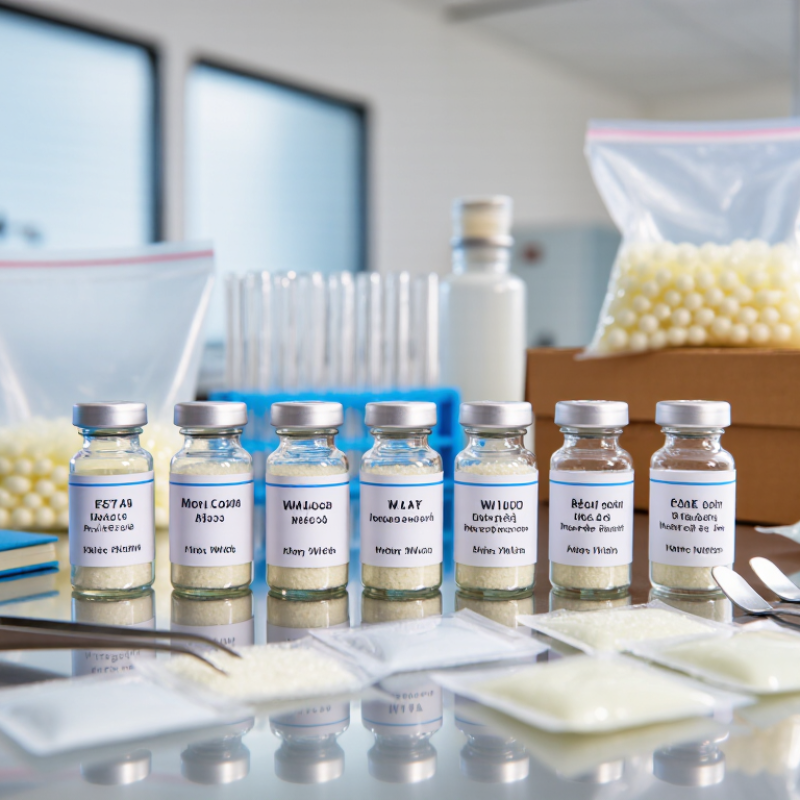
Global buyers need more than a catalog when sourcing niacin and vitamin B ingredients. Reliable suppliers usually provide several forms, including powders, granules, and premixes for food, beverage, and supplement production. Product specifications should clearly state purity, assay results, moisture levels, particle size, and storage conditions. These details help technical teams match an ingredient with a real manufacturing process.
Experienced suppliers also support global orders with certificates of analysis, batch traceability, allergen statements, and safety documentation. Some offer samples, formulation guidance, private packaging, and flexible minimum order quantities. Export support may include moisture-resistant bags, sealed drums, pallet protection, and shipping documents. However, documentation quality can vary between suppliers. Buyers should verify every certificate instead of trusting polished sales language. That step is easy to skip, and it can create expensive delays.
Tips: Request a recent batch record and independent test results. Compare lead times, not only prices. Ask how the supplier handles temperature, humidity, and damaged cartons during transit. Confirm whether the ingredient complies with the destination market’s requirements. A supplier may be technically strong but weak in communication. Test a small shipment first. This is not always convenient, but it reveals packaging, consistency, and delivery problems early.
How to Evaluate Niacin and Vitamin B Ingredient Suppliers
When evaluating niacin and vitamin B ingredient suppliers, verify the exact chemical form first. Niacinamide and nicotinic acid may perform differently in finished products. Ask for a recent certificate of analysis for every lot. Review assay, moisture, heavy metals, microbiological results, and testing methods. Documents should match the shipped material. That sounds obvious, but mismatches still occur.
Supplier quality depends on more than a polished website. Request evidence of GMP-based production, batch traceability, allergen controls, and documented change management. A useful audit should show clean production areas, calibrated equipment, and trained laboratory staff. Check whether the supplier can provide stability data, technical specifications, and regulatory files for your destination markets. Independent laboratory verification is also valuable, especially for new suppliers.
Small details reveal practical reliability. Compare packaging liners, pallet protection, storage temperatures, minimum order quantities, and realistic lead times. Ask how quickly the supplier handles an out-of-specification result. Clear answers matter. I also recommend testing a representative sample before approving a large order. One sample cannot prove long-term consistency, and that limitation deserves attention. A supplier may pass every document review yet struggle with communication during a shortage. Evaluate responsiveness, not only price.
Seven Leading Niacin and Vitamin B Suppliers Compared
Seven Leading Niacin and Vitamin B Suppliers Compared
Global buyers now assess more than price when sourcing niacin, thiamine, riboflavin, B6, folate, and B12. Seven leading supplier profiles can be compared through production scale, assay consistency, documentation, logistics, and technical support. Grand View Research reported continued growth in the global vitamin market, driven by fortified foods, supplements, and clinical nutrition. Meanwhile, the Food Chemicals Codex and USP provide widely used identity and purity benchmarks. These standards help buyers distinguish reliable material from attractive but poorly documented offers.
The strongest suppliers usually provide batch-specific certificates, stability data, allergen statements, and traceability from raw material to shipment. Some also maintain multiple production sites, reducing disruption risk. A supplier with strong laboratory testing may outperform a cheaper seller with limited technical records. Buyers should compare particle size, solvent residues, microbiological limits, packaging conditions, and minimum order quantities. The comparison is not perfect. Public reports often combine different vitamin categories, so market figures cannot predict every product’s availability.
Tips:
Request three recent certificates of analysis. Check whether testing uses recognized pharmacopeial methods. Ask for samples from different batches, not one convenient lot. Confirm storage temperatures, container liners, and export documents before signing. In practice, response speed matters too. A delayed answer may reveal weak support after the sale. According to recent industry analyses from Mordor Intelligence and IMARC Group, demand is expanding across fortified foods and dietary supplements, but regional compliance requirements still vary. Experienced buyers should verify each claim independently.
Quality, Certification, and Regulatory Standards to Check
7 Best Niacin And Vitamin B Suppliers For Global Buyers
Quality, Certification, and Regulatory Standards to Check
Choosing among niacin and vitamin B suppliers requires more than comparing prices. A reliable supplier should provide a recent certificate of analysis for every batch. Check assay strength, moisture, particle size, heavy metals, solvents, and microbiological limits. Testing should match the product specification and the destination market’s rules.
Certification matters, but certificates alone prove little. Look for current GMP, HACCP, ISO 9001, or recognized food safety certification. Confirm the certificate scope, site address, issuing body, and expiry date. Ask whether the supplier follows USP, EP, BP, or another accepted monograph. Regulatory expectations differ across countries. A document accepted in one market may fail another review.
Tips: Request three recent batch records. Check lot numbers. Review stability data, allergen statements, non-GMO declarations, and country-of-origin documents. Ask how deviations are investigated and how recalls are managed. Traceability should reach the raw material source, not stop at the warehouse door.
A careful buyer should also inspect packaging and storage conditions. Niacin and vitamin B powders may absorb moisture or lose quality under heat and light. Confirm sealed liners, clear labels, transport controls, and retest dates. Samples can pass while later batches vary. That is an uncomfortable possibility, but supplier monitoring should address it. Annual audits, complaint records, and random third-party testing provide stronger evidence than marketing claims. Personally, I would treat missing data as a risk signal, not a minor paperwork issue.
Global Buyer Screening Priorities for Niacin and Vitamin B Suppliers
The chart presents an illustrative procurement weighting for evaluating niacin and vitamin B suppliers. Buyers should verify batch-specific certificates of analysis, identity and assay testing, contaminant controls, GMP compliance, food-safety certification, traceability, and destination-market regulatory documentation. These are screening priorities, not supplier scores or claims about any specific company.
How Global Buyers Can Select the Right Supplier
Choosing a niacin or vitamin B supplier requires more than comparing prices. Global buyers should examine manufacturing experience, product consistency, and regulatory readiness. A supplier with documented quality systems can usually explain its process clearly, from raw material approval to final packaging.
Request a current certificate of analysis for each batch. Check assay results, microbiological limits, heavy metals, moisture, and test methods. Confirm whether an independent laboratory verifies the data. Ask for manufacturing licenses, GMP evidence, allergen statements, and traceability records. One small detail matters: the batch number on the certificate should match the shipment label.
Review the supplier’s export experience carefully. Can it provide stable lead times, suitable packaging, and documents for your destination market? Temperature, humidity, and transport duration may affect storage decisions, even for stable powders. A responsive technical team should answer questions without vague promises. A polished website is not enough. I would request a sample, then compare its appearance, solubility, and paperwork with the agreed specification. That step can reveal gaps early. It is also wise to check complaint handling and recall procedures before signing a contract. No supplier is flawless, and buyers should record unresolved concerns instead of ignoring them.