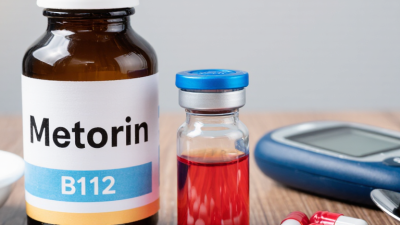
2026 Best Metformin And Vitamin B12 Guide
Metformin And Vitamin B12 deserves closer attention in every long-term diabetes conversation. Metformin remains widely prescribed because it improves insulin sensitivity, supports blood-glucose control, and is generally affordable. Yet prolonged use may reduce vitamin B12 absorption, especially at higher doses or among people with additional risk factors.
Endocrinologist Dr. John B. Buse has described metformin as “a remarkably effective and generally safe medication,” a view that supports careful monitoring rather than unnecessary fear. Its benefits are real. So is the nutritional concern.
The warning signs can be quiet. Fatigue may feel like an ordinary busy week. Tingling in the feet may appear after removing your shoes. A sore, smooth tongue can be easy to ignore. These symptoms may reflect B12 deficiency, diabetes-related nerve damage, or another condition. That overlap makes self-diagnosis unreliable.
This 2026 guide examines how Metformin And Vitamin B12 interact, who may face greater risk, and which tests clinicians commonly consider. It also explains why serum B12 alone may not answer every question. Methylmalonic acid, homocysteine, blood counts, symptoms, dosage, and treatment duration can all add useful context.
The evidence is strong, but not perfectly tidy. Monitoring schedules vary between guidelines and patients. Some people need testing sooner than others. A normal result today does not guarantee a normal result next year. That is why medication reviews, symptom discussions, and individualized clinical advice matter. Supplements may help when deficiency is confirmed, but they should not replace medical evaluation or diabetes care.

What Is Metformin and Why Does Vitamin B12 Matter?
Metformin is a prescription medicine commonly used to improve blood sugar control in type 2 diabetes. It lowers glucose production in the liver and helps the body respond better to insulin. Over time, however, metformin may reduce vitamin B12 absorption in the intestine. Vitamin B12 supports healthy nerves, red blood cells, and DNA production. Deficiency can develop quietly.
The signs are easy to miss. Tiredness, pale skin, a sore tongue, numb feet, or balance problems may occur. Diabetes itself can also cause nerve symptoms, so the cause is not always obvious. That uncertainty deserves attention. Long-term use, higher doses, older age, a vegan diet, stomach disorders, or acid-reducing medicines may increase risk.
Tips: Ask your healthcare professional whether periodic B12 testing is appropriate. A complete blood count and, when needed, methylmalonic acid testing can provide useful detail. Do not stop metformin without medical advice. Food sources include fish, eggs, dairy products, and fortified foods. Supplements may help, but the right dose depends on your results and health history. Monitoring is practical, not excessive.
How Metformin Can Affect Vitamin B12 Levels
2026 Best Metformin and Vitamin B12 Guide
How Metformin Can Affect Vitamin B12 Levels
Metformin may reduce vitamin B12 absorption in the small intestine. The risk often rises with higher doses and longer treatment. People with diabetes may notice fatigue, a sore tongue, pale skin, or tingling feet. These symptoms can also resemble diabetic nerve damage, which makes self-diagnosis unreliable.
The Diabetes Prevention Program Outcomes Study provides useful long-term data. After about 13 years, low B12 occurred in 9.2% of metformin users, compared with 5.6% of placebo users. Borderline levels appeared in 18.6% and 9.9%, respectively. The study was published in the Journal of Clinical Endocrinology and Metabolism. It supports monitoring, not automatic discontinuation.
The UK medicines regulator describes reduced B12 as a common metformin-related effect. It advises testing people with symptoms or higher risks, including anemia, neuropathy, restrictive diets, gastrointestinal disorders, or prolonged treatment. A clinician may check serum B12, blood counts, and sometimes methylmalonic acid. Timing matters. One normal result may not explain persistent symptoms.
Do not stop prescribed metformin without medical advice. A clinician can review the dose, diet, test history, and supplement needs. Meat, fish, eggs, and fortified foods provide B12, but diet alone may not correct a deficiency. I used to view B12 testing as optional. The evidence makes that assumption harder to defend. Even so, testing every patient on the same schedule may be unnecessarily rigid.
Symptoms, Testing, and Diagnosis of Vitamin B12 Deficiency
2026 Best Metformin And Vitamin B12 Guide: Symptoms, Testing, and Diagnosis
Long-term metformin use can reduce vitamin B12 absorption in some patients. The risk increases with higher doses and longer treatment. A 2022 UK Medicines Safety Update describes B12 deficiency as a common adverse effect. The American Diabetes Association also recommends periodic B12 assessment, especially when anemia or nerve symptoms appear. Symptoms may develop quietly. Watch for tiredness, pale skin, a sore tongue, numb feet, burning sensations, balance problems, or memory changes. These signs can resemble diabetic neuropathy, so guessing is unsafe.
Testing usually begins with a complete blood count and serum B12 measurement. Many laboratories consider levels below 200–250 pg/mL suspicious, according to the National Institutes of Health Office of Dietary Supplements. Borderline results need more attention. Methylmalonic acid can help confirm tissue deficiency, while homocysteine may provide supporting evidence. Doctors should also review folate status, kidney function, diet, alcohol intake, and other medicines. A normal blood count does not fully exclude deficiency. That detail is often missed.
Tips: Keep a record of metformin dose and treatment length. Ask about B12 testing if tingling persists. Do not stop prescribed treatment without medical advice. Symptoms may have more than one cause. Diagnosis needs context, not one laboratory number. Evidence is useful, but imperfect; testing intervals are not identical across guidelines. Personal follow-up remains essential.
2026 Best Metformin and Vitamin B12 Guide
Serum vitamin B12 interpretation for symptoms, testing, and diagnosis
Serum vitamin B12 below approximately 200 pg/mL is commonly considered deficient, while
200–300 pg/mL may be indeterminate. When symptoms are present or results are borderline,
clinicians may confirm functional deficiency with methylmalonic acid (MMA) and homocysteine
testing. Reference ranges and diagnostic cutoffs can vary by laboratory, age, pregnancy status,
kidney function, and other medical conditions.
Monitoring and Managing B12 Levels During Metformin Treatment
2026 Best Metformin And Vitamin B12 Guide
Metformin can lower vitamin B12 absorption over time. The risk appears higher with larger doses, longer treatment, and existing risk factors. The UK Medicines and Healthcare products Regulatory Agency reported reduced B12 as a common adverse effect in 2022. It advised testing patients with anemia, nerve symptoms, or other clinical concerns.
Monitoring should include a complete blood count and serum B12.
Borderline results may need methylmalonic acid or homocysteine testing. Tingling feet, burning sensations, unusual tiredness, pale skin, or balance problems deserve medical review. These symptoms can resemble diabetic neuropathy. That overlap creates a real diagnostic problem. A normal B12 result may also miss early tissue deficiency.
Tips: Ask about B12 testing during regular diabetes reviews. Keep a record of results, symptoms, and metformin duration. Do not stop prescribed treatment without medical advice. Dietary intake matters, but food alone may not correct confirmed deficiency.
The American Diabetes Association Standards of Care recommends periodic B12 assessment for people using metformin, particularly when anemia or neuropathy develops. Testing schedules still vary between clinicians. That inconsistency needs attention. Decisions should reflect laboratory results, personal risk, and clinical examination.