What is B 12 Vitamin Benefits Sources and Deficiency Symptoms
Vitamin B12, also known as cobalamin, is an essential nutrient that plays a vital role in numerous bodily functions. This water-soluble vitamin is crucial for the production of red blood cells, DNA synthesis, and the maintenance of the nervous system. As such, understanding the benefits, dietary sources, and deficiency symptoms of B12 Vitamin is paramount for health optimization and disease prevention.
One of the key benefits of B12 Vitamin is its ability to enhance energy levels and reduce fatigue, as it is integral to the metabolism of every cell in the body. Furthermore, adequate levels of B12 support brain health, contributing to improved memory and cognitive function. However, despite the availability of this vitamin, various populations may be at risk of deficiency due to dietary restrictions or absorption issues, making it essential to recognize the symptoms associated with low B12 levels.
This outline will delve into the multifaceted benefits of B12 Vitamin, explore rich food sources to incorporate into a balanced diet, and highlight the common symptoms that may indicate a deficiency. Gaining a deeper understanding of these aspects can empower individuals to make informed health choices and promote overall wellbeing.

Benefits of Vitamin B12 for Overall Health and Well-being
Vitamin B12, also known as cobalamin, plays a crucial role in maintaining overall health and well-being. It is essential for the production of red blood cells, DNA synthesis, and proper neurological function. A study published in the "American Journal of Clinical Nutrition" highlighted that adequate B12 levels are associated with reduced risks of cardiovascular diseases and cognitive decline, particularly in older adults. The vitamin helps in maintaining energy levels since it is vital for metabolic processes, converting food into usable energy.
One of the primary benefits of vitamin B12 is its contribution to nerve health. A report from the National Institutes of Health noted that B12 deficiency could lead to neurological disorders and symptoms such as numbness and tingling in the extremities. Furthermore, it has been shown that sufficient B12 intake improves mood and may alleviate symptoms of depression, as a study indicated that B12 supplementation had a positive effect on mood disorders.
**Tips:** To ensure you are getting enough vitamin B12, consider incorporating more fortified foods into your diet or monitor your intake of animal products, such as eggs, dairy, and meats. Additionally, consulting with a healthcare provider for regular check-ups can help manage your B12 levels effectively, especially for those on vegetarian or vegan diets who may be at higher risk for deficiency.
Natural Food Sources Rich in Vitamin B12
Vitamin B12, also known as cobalamin, is vital for maintaining healthy nerve cells, producing DNA, and forming red blood cells. One of the primary concerns regarding vitamin B12 is its sources, as it is mainly found in animal-based foods. Therefore, those following vegan or strict vegetarian diets must be particularly mindful of their intake.
Natural food sources rich in vitamin B12 include meat, fish, eggs, and dairy products. Organ meats, such as liver, provide one of the richest sources of B12. Seafood, especially shellfish like clams and oysters, not only supplies a high concentration of this vitamin but also offers important antioxidants and minerals. Additionally, fortified foods such as certain plant-based milks and cereals can provide an alternative source for those who may not consume animal products. Ensuring adequate intake from these natural sources is crucial for supporting overall health and preventing deficiency symptoms, which might include fatigue, weakness, and cognitive impairments.
Understanding the Symptoms of Vitamin B12 Deficiency
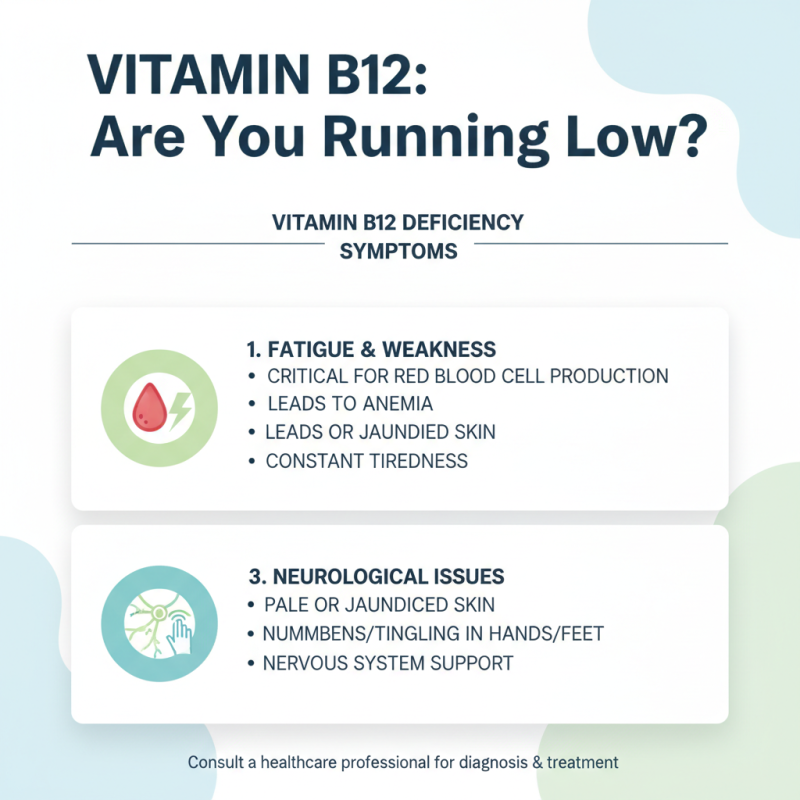
Vitamin B12 is essential for various bodily functions, and its deficiency can lead to a range of concerning symptoms. One of the most common signs of B12 deficiency is fatigue. Due to its critical role in red blood cell production, a lack of this vitamin can result in anemia, causing individuals to feel weak and exhausted. Other symptoms may include pale or jaundiced skin, and in some cases, neurological issues such as numbness or tingling in the hands and feet, which occur as B12 is vital for maintaining the nervous system.
Cognitive disturbances are another significant aspect of B12 deficiency. Individuals may experience memory loss, confusion, or changes in mental clarity. Mood disturbances, including depression and irritability, can also arise. Long-term deficiency may lead to more severe neurological damage, making early recognition of symptoms essential for preventing irreversible effects. Recognizing these symptoms and seeking proper evaluation can lead to effective treatment and resolution of B12 deficiency issues.
The Role of Vitamin B12 in Energy Production and Brain Function
Vitamin B12, also known as cobalamin, plays a crucial role in energy production and brain function. This water-soluble vitamin is essential for the metabolism of every cell in the human body, particularly impacting the production of red blood cells and the synthesis of DNA. According to a report from the National Institutes of Health, vitamin B12 deficiency can lead to fatigue and weakness, as the body struggles to produce sufficient energy without this vital nutrient. Adequate levels of B12 are also necessary for maintaining healthy nerve cells, and its deficiency can result in neurological symptoms, including memory loss and cognitive decline.
Research indicates that vitamin B12 is particularly important for maintaining optimal brain function. A study published in the journal "Neurology" found that low levels of B12 are associated with an increased risk of brain atrophy, which can lead to cognitive impairment and conditions such as dementia. Additionally, the Cognitive Function and Aging Study noted that older adults with sufficient B12 levels exhibit better cognitive function compared to those with lower levels. Ensuring adequate intake of B12 through dietary sources such as meat, fish, eggs, and fortified foods is essential, especially for populations at risk of deficiency, including vegetarians, vegans, and the elderly.
What is B 12 Vitamin Benefits Sources and Deficiency Symptoms
| Dimension |
Details |
| Benefits |
Supports energy production, enhances brain function, promotes red blood cell formation, supports nervous system health. |
| Sources |
Animal products (meat, fish, eggs, dairy), fortified cereals, nutritional yeast. |
| Deficiency Symptoms |
Fatigue, weakness, anemia, neurological issues (numbness, tingling), cognitive difficulties. |
| Recommended Daily Allowance (RDA) |
2.4 mcg for adults. |
| Who is at Risk of Deficiency? |
Vegans, vegetarians, older adults, individuals with absorption issues. |
Who is at Risk for Vitamin B12 Deficiency?
Vitamin B12 deficiency is a concern that affects several groups of people, particularly those with specific dietary restrictions or health conditions. Vegetarians and vegans are commonly at risk since vitamin B12 is primarily found in animal products such as meat, dairy, and eggs. Without adequate intake from these sources, individuals following strict plant-based diets may struggle to meet their B12 needs unless they consume fortified foods or take supplements.
Additionally, older adults and people with gastrointestinal disorders are also at higher risk for B12 deficiency. As we age, the ability to absorb nutrients decreases, and conditions like celiac disease, Crohn's disease, or even surgical alterations of the stomach can impede B12 absorption. Those who have been on long-term medications, such as proton pump inhibitors for acid reflux, may also experience diminished B12 levels, further emphasizing the need for awareness and potential monitoring among these at-risk populations.
Vitamin B12 Deficiency and Sources
Vitamin B12 is essential for maintaining nerve health and the production of DNA and red blood cells. The chart displays various sources of Vitamin B12 and their contribution to the daily value intake.