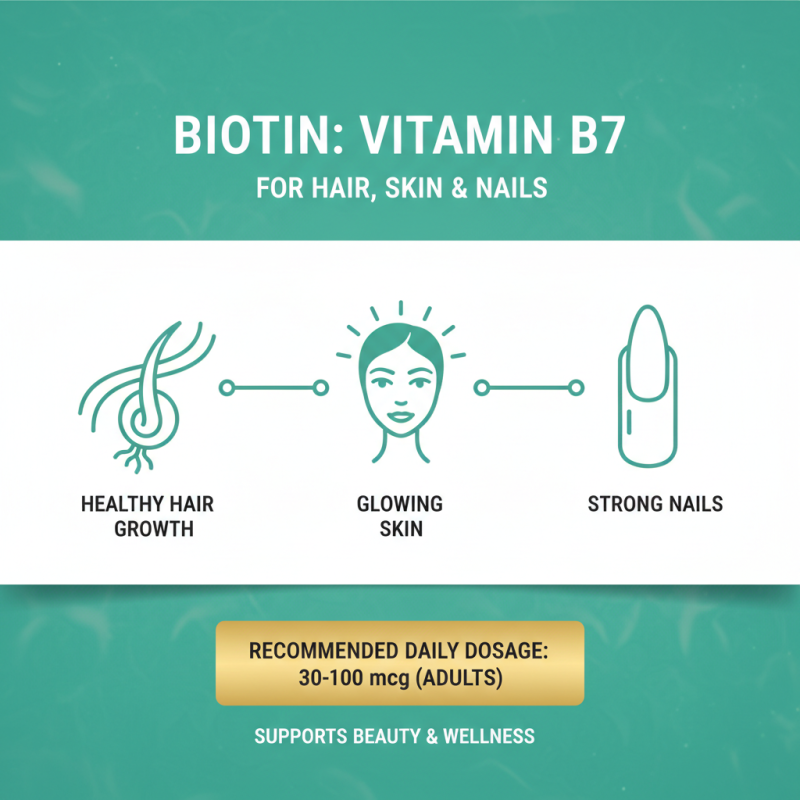
How to Use Biotin Vitamin for Healthy Hair Skin and Nails?
Biotin Vitamin is increasingly popular for enhancing beauty. Many people seek healthy hair, skin, and nails. But what does Biotin really do? This vitamin, also known as vitamin B7, plays a crucial role in our body. It helps in the synthesis of keratin, a key protein for hair and nails.
Using Biotin Vitamin can yield visible results. Some users report thicker hair and stronger nails within a few weeks. However, it’s not a miracle solution. Results can vary greatly among individuals. Factors like diet, genetics, and overall health also matter.
People often seek quick fixes for beauty problems. Biotin Vitamin offers potential benefits but requires patience and consistency. It's essential to combine its use with a balanced diet. Reflecting on your lifestyle choices is important. Are you eating the right foods? Are you managing stress? These factors will influence your success with Biotin Vitamin.
Understanding Biotin: What Is It and How Does It Work?
Biotin, also known as vitamin B7, is vital for our body. It helps convert food into energy. This nutrient also plays a key role in hair, skin, and nail health. Biotin is often praised for promoting stronger hair growth and improving skin texture. But how does this happen?
When we consume biotin, it supports keratin production. Keratin is the protein that makes up our hair and nails. Without enough biotin, hair can become brittle. Skin may appear dull, and nails might break easily. Many people fail to meet their daily biotin needs. This can lead to disappointing results in their beauty routines. A balanced diet is crucial, but sometimes supplementation is necessary.
Interestingly, not everyone responds the same way to biotin. Some may notice remarkable changes, while others might see little to no improvement. It’s essential to reflect on personal experiences. Keeping track of changes can help determine if biotin works for you. Consulting with a health professional may also provide insight. Understanding biotin can empower you to make informed choices for your hair, skin, and nails.
Benefits of Biotin for Hair, Skin, and Nails
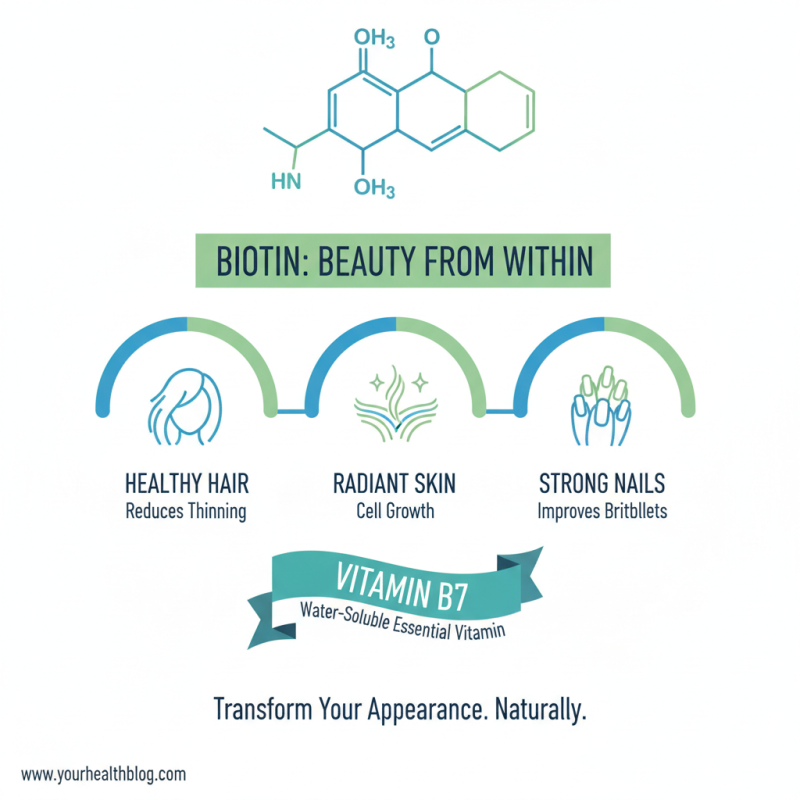
Biotin, often called vitamin B7, is essential for healthy hair, skin, and nails. This water-soluble vitamin plays a vital role in promoting cell growth. Many people turn to biotin to improve their overall appearance. Research suggests that it can help reduce hair thinning and improve strength in brittle nails.
Incorporating biotin-rich foods into your diet is a practical approach. Eggs, nuts, and whole grains are excellent sources. Some people also consider supplements. However, it’s crucial to remember that results can vary. Not everyone experiences visible changes. Patience is key, as improvements may take months to appear.
While biotin is generally safe, overconsumption isn’t advisable. You may face unexpected side effects, including skin rashes or digestive issues. It’s essential to listen to your body. Opt for a balanced diet first. This ensures you gain multiple nutrients essential for wellness. Biotin alone won't solve all problems. It’s just one piece of the puzzle for vibrant hair, skin, and nails.
Recommended Dosage of Biotin for Optimal Health
Biotin is a vital nutrient for maintaining healthy hair, skin, and nails. It belongs to the B-vitamin family, especially known as vitamin B7. Many people ask about the recommended dosage of biotin. Generally, adults can benefit from taking 30 to 100 micrograms daily. This dosage is typically sufficient for promoting hair growth and nail strength.
However, individual needs can vary. Some people may want to adjust their intake based on personal factors, like diet and lifestyle. Others might find that taking too much biotin can lead to skin issues or gastrointestinal discomfort. Observing your body's response is essential. It’s important to consult with a healthcare provider before starting any new supplement.
Many foods also contain biotin, such as eggs, nuts, and whole grains. Balancing your diet is key. Sometimes, supplements might not be necessary at all. Reflecting on your nutrition habits is crucial. Emphasizing whole foods could provide the necessary biotin naturally. Always prioritize a holistic approach to health, as it can lead to real improvements.
Sources of Biotin: Foods and Supplements to Consider
Biotin, also known as vitamin B7, plays a crucial role in maintaining vibrant hair, flawless skin, and strong nails. The body requires biotin for the metabolism of fats and proteins. Many people fail to get enough biotin from their diets. In fact, studies show that approximately 30% of adults do not meet the recommended daily intake. This deficiency can lead to brittle nails and hair loss.
Foods rich in biotin are diverse and can easily be included in daily meals. Egg yolks, nuts, seeds, and whole grains are excellent sources.
Avocados are another great choice, packed with healthy fats and approximately 2 to 6 micrograms of biotin per serving. Additionally, dairy products like cheese and yogurt contribute to overall biotin intake. For those who struggle with dietary sources, supplements may be a viable option. Research indicates that biotin supplements can increase nail strength and reduce brittleness in as little as 12 weeks.
While sources of biotin are plentiful, not everyone absorbs it effectively. Factors such as age, gut health, and certain medications can impact absorption rates. It’s crucial to monitor how your body reacts to different sources. Some might experience mild side effects from supplements, like skin rashes or digestive issues. Reflecting on these experiences can provide insights into what works best for your personal health journey.
Potential Side Effects and Considerations When Using Biotin
Biotin, also known as vitamin B7, is widely praised for its potential benefits for hair, skin, and nails. However, understanding its side effects is crucial. General recommendations suggest that daily intake should be around 30 micrograms. Most people get enough biotin from their diet, but supplements are popular among those seeking improvement in their appearance.
While biotin is generally considered safe, potential side effects can arise. Some users report skin rashes, digestive upset, or even insulin resistance, particularly in high doses. A report from the National Institutes of Health indicated that excessive biotin intake could interfere with lab test results, leading to inaccurate medical assessments. This is especially concerning for thyroid and hormone tests.
It’s essential to consider individual reactions to biotin. Some may experience a boost in hair growth, while others notice no difference. Monitoring one's body response is important. Consulting with a healthcare professional before starting any supplementation is always wise. Balancing the desire for enhanced beauty with awareness of the possible risks is key.
Effect of Biotin Supplementation on Hair, Skin, and Nail Health