Leave Your Message

Top Animal Vitamins for Optimal Pet Health and Wellbeing?

In the journey of pet ownership, the significance of Animal Vitamins cannot be overstated. Just like humans, pets require essential nutrients for a healthy and vibrant life. These vitamins play a crucial role in supporting various bodily functions, from boosting immunity to improving skin health.

However, not all vitamins are created equal. Some products may not deliver the promised benefits, leaving pet owners disappointed. It’s essential to choose high-quality Animal Vitamins tailored to each pet's needs. Additionally, some pets may have specific dietary requirements or health conditions that necessitate extra care in vitamin selection.

While many pet owners strive to provide the best nutrition, mistakes can happen. Relying solely on commercial pet foods without supplementation might lead to deficiencies. A thoughtful approach to pet health involves understanding the unique needs of each animal. After all, our pets deserve optimal wellbeing and happiness.
Top Animal Vitamins for Optimal Pet Health and Wellbeing?

Top Vitamins for Dogs: Essential Nutrients for Canine Health

When it comes to canine health, vitamins play a crucial role. Dogs require specific nutrients to maintain their vitality. For instance, vitamin D is essential for bone health. It helps in calcium absorption and keeps your dog's skeleton strong. A lack of this vitamin can lead to serious health issues.

Another critical nutrient is vitamin E, known for its antioxidant properties. It supports the immune system and promotes healthy skin. Without enough vitamin E, dogs may develop skin problems. Likewise, B vitamins are important for energy production. They assist in converting food into energy, which is vital for active dogs.

It's not just about providing these vitamins but also ensuring the right dosages. Over-supplementation can lead to toxicity. For example, too much vitamin A can cause lethargy and loss of appetite. Regular consultations with a veterinarian can help identify the right balance. Paying attention to your dog's diet is key; it should be rich in varied nutrients. However, pet owners often overlook this and may need to reflect on their feeding habits.
Key Vitamins for Cats: Promoting Feline Vitality and Longevity

Cats thrive when they receive essential vitamins for their overall health. Key vitamins can significantly enhance feline vitality and longevity. Vitamin A supports vision and immune function. A shortage can lead to night blindness and weak defenses against illness. Studies indicate that 30% of indoor cats suffer from vitamin A deficiencies.

Vitamin D plays a crucial role in calcium metabolism. It is vital for maintaining healthy bones and teeth. Cats produce vitamin D in their skin when exposed to sunlight. However, indoor cats may not get enough sunlight, risking deficiencies. A recent report suggests that 25% of indoor cats show signs of low vitamin D levels, leading to increased susceptibility to skeletal issues.

Tips: Ensure your cat's diet includes a variety of proteins to provide essential vitamins. Monitor your cat’s health regularly. Consult your veterinarian if you notice changes in appetite or energy levels. Diverse nutrients aid in preventing imbalances in their diet.

Consider incorporating supplements after professional advice. While they can enhance health, excess vitamins may lead to toxicity. It's essential to strike a balance. Assessing your cat's specific needs is vital. Nutrition is not a one-size-fits-all approach. Adjustments may be necessary as your cat ages or faces health challenges.

The Role of Omega Fatty Acids in Animal Nutrition and Health

Omega fatty acids play a crucial role in animal nutrition. These essential fats are vital for maintaining overall health. They support skin and coat quality, reduce inflammation, and boost the immune system. Many pet owners overlook these important nutrients. Often, they assume a regular diet is enough. This can lead to deficiencies that harm pet wellbeing.

Incorporating omega fatty acids into a pet's diet can be done easily. Foods rich in these fats, like fish and certain oils, should be considered. However, not every pet likes fish. Some may turn their noses up at it. It’s important to find alternatives that work for individual pets. Supplements are another option but should be used with care. Over-supplementation can lead to serious health issues.

Monitoring your pet’s condition is essential. Observe their coat texture and energy levels. If changes are noted, it may indicate a need for omega fatty acids. Regular veterinary check-ups are always best. They provide insights into your pet's specific nutritional needs. Understanding the role of omega fatty acids can significantly improve your pet’s quality of life.

Top Animal Vitamins for Optimal Pet Health and Wellbeing

Vitamin/Nutrient Benefits Sources Recommended Dosage
Omega-3 Fatty Acids Supports heart health, reduces inflammation, promotes a shiny coat Fish oil, flaxseed oil, chia seeds 1000 mg per 10 lbs of body weight
Omega-6 Fatty Acids Aids skin health, helps maintain a healthy coat Vegetable oils (sunflower, corn), meats 1000 mg per 10 lbs of body weight
Vitamin E Acts as an antioxidant, supports a healthy immune system Nuts, seeds, green leafy vegetables 0.5-1 IU per pound of body weight
B Vitamins Boost energy levels, promote healthy skin and coat Meat, fish, eggs, dairy products Varies by specific vitamin, typically around 0.1-1 mg
Vitamin A Promotes vision, supports skin and coat condition Liver, fish liver oil, carrots 500-1000 IU per 10 lbs of body weight

Understanding the Importance of Antioxidants in Pet Supplements

Top Animal Vitamins for Optimal Pet Health and Wellbeing?

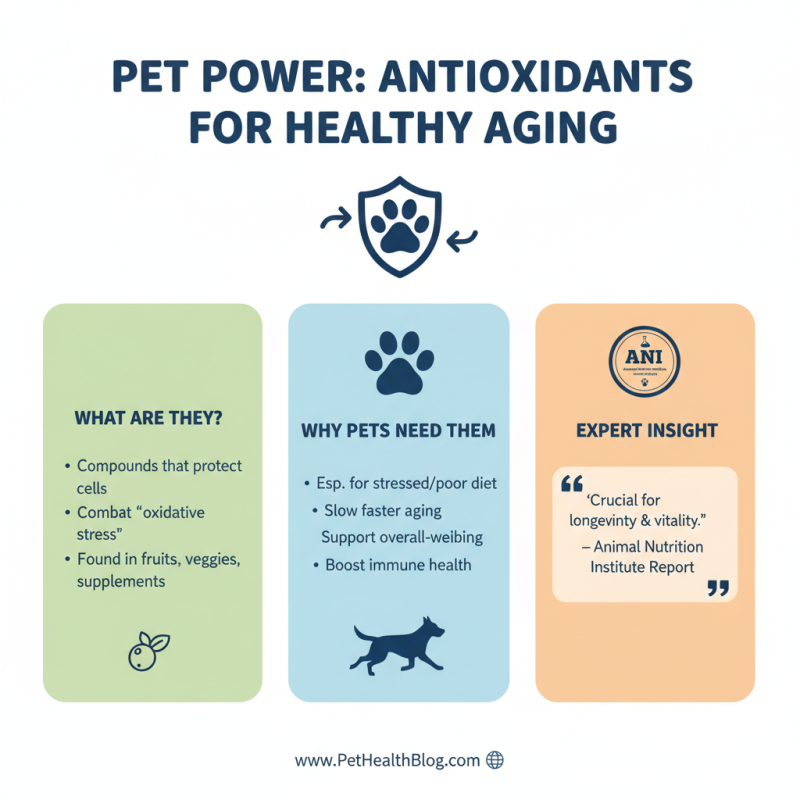
Antioxidants play a crucial role in pet supplements. They help protect pets from oxidative stress and support their overall health. According to a recent report by the Animal Nutrition Institute, pets exposed to high-stress environments or poor diets may experience faster aging. Including antioxidants in their diet can combat this issue effectively.

Common sources of antioxidants are vitamins C and E. These nutrients help boost the immune system and reduce inflammation. Studies show that pets consuming antioxidant-rich diets exhibit improved energy levels and better skin health. Interestingly, approximately 40% of pet owners are unaware of the benefits antioxidants provide. This lack of awareness can lead to missed opportunities for pet wellness.

Many pet owners struggle with selecting the right supplements. The overwhelming market can confuse anyone. It is essential to read labels carefully. Look for key ingredients known for their antioxidant properties. Although some products may claim to be beneficial, they often contain minimal active ingredients. Truly effective supplements must have a transparent ingredient list, ensuring they contribute meaningfully to pet health.

Current Trends in Pet Vitamins: Market Growth and Consumer Insights

The pet vitamins market is experiencing rapid growth. Pet owners are becoming more aware of their animals' health. They seek natural solutions to enhance their pets' wellbeing. Humanization of pets drives this trend. Many treat their pets like family members. This shift influences purchasing decisions significantly.

Consumer insights reveal that quality matters. Owners prefer vitamins with transparent, high-quality ingredients. However, some face confusion about what is truly beneficial. Packaging can be misleading. Many products boast health benefits but lack scientific backing, creating a gap in trust. Moreover, some pets develop allergies. Owners must be vigilant when introducing new products.

Emerging trends show a rise in specialized formulations, targeting specific health needs. For instance, vitamins for joint health or skin conditions. These niche products appeal to concerned pet parents. Yet, the market is still burgeoning. Standards and regulations are not uniform, leading to inconsistency across products. Pet owners must educate themselves to make informed choices.