Top 10 Feed Acidifiers to Enhance Animal Health and Performance in 2023
In recent years, the use of feed acidifiers has gained significant traction within the livestock and poultry industries, driven by the quest to enhance animal health and optimize performance. As producers face increasing pressure to improve feed efficiency and maintain animal welfare, feed acidifiers have emerged as valuable tools to address these challenges. These organic or inorganic compounds help to create an acidic environment in the gastrointestinal tract, which can effectively reduce pathogenic bacteria, improve nutrient absorption, and promote overall gut health.
In 2023, the focus on feed acidifiers has not only been about performance improvement but also about sustainability and the quality of animal products. By incorporating specific feed acidifiers into their diets, farmers can foster healthier animals that yield higher-quality output while minimizing antibiotic use and adhering to stricter health regulations. The following article explores the top 10 feed acidifiers that are making an impact this year, highlighting their benefits, functional mechanisms, and the role they play in enhancing animal productivity. As we delve into these options, it becomes clear that the right feed acidifier can be a game-changer in modern animal husbandry practices, ultimately supporting a more efficient and sustainable agricultural future.

Overview of Feed Acidifiers and Their Importance in Animal Nutrition
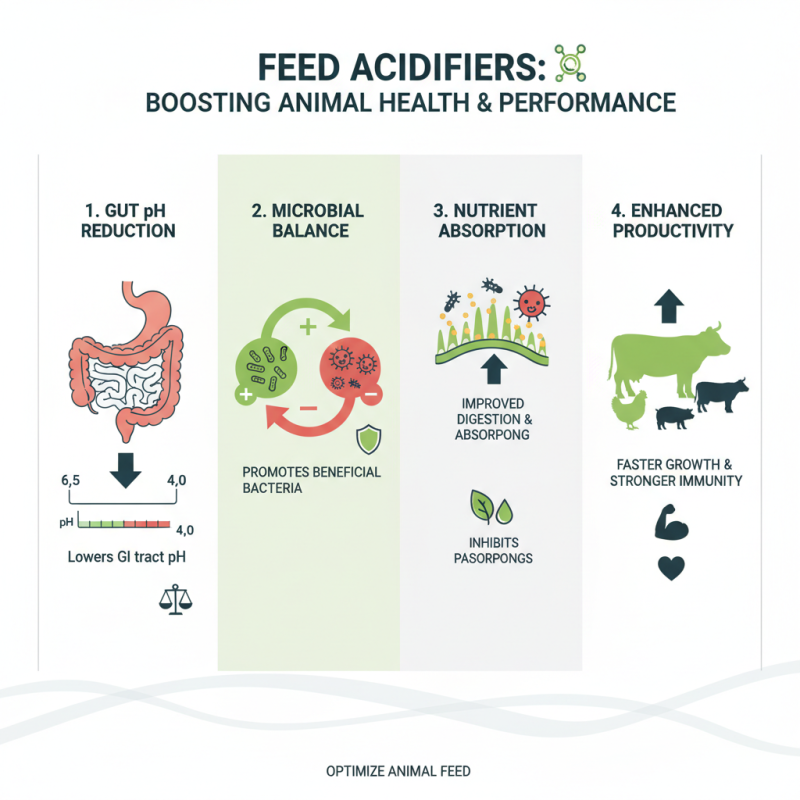
Feed acidifiers play a crucial role in enhancing animal health and performance by improving the nutrient absorption and overall efficiency of feed utilization. These organic acids are incorporated into animal diets to lower the pH levels in the gastrointestinal tract, creating an environment that is more favorable for beneficial bacteria while inhibiting pathogenic microorganisms. This balance is essential not only for optimizing digestion but also for promoting gut health, which can have downstream effects on overall animal productivity and immunity.
Furthermore, the use of feed acidifiers is gaining recognition within the livestock and poultry industries as a strategy to reduce reliance on antibiotics and improve feed conversion rates. By ensuring that animals can effectively absorb nutrients, feed acidifiers contribute to better growth rates and weight gain. The incorporation of these additives into animal nutrition programs can lead to a significant reduction in feed costs and enhance the sustainability of animal farming practices. As the industry continues to evolve, the importance of feed acidifiers will likely expand, aligning with trends towards healthier and more efficient production systems.
Key Benefits of Using Feed Acidifiers in Animal Health and Performance
Feed acidifiers play a crucial role in enhancing animal health and performance, becoming an integral component of modern animal nutrition strategies. These additives not only help stabilize feed but also promote better nutrient absorption, leading to improved animal growth rates and feed conversion efficiency. According to a report by MarketsandMarkets, the global feed acidifiers market is projected to reach USD 2.7 billion by 2025, indicating a growing recognition of their benefits in the livestock industry.
One of the key benefits of using feed acidifiers is their ability to lower the pH levels in the gastrointestinal tract, creating an environment that inhibits pathogenic bacteria. Research published in the Journal of Animal Science suggests that integrating organic acids in feed can significantly reduce the incidence of gastrointestinal diseases, ultimately enhancing animal welfare and productivity. Moreover, a study by the European Food Safety Authority highlighted that the inclusion of acidifiers in diets could lead to an increase in daily weight gain and feed efficiency of up to 10%, showcasing their effectiveness in optimizing animal performance.
Furthermore, feed acidifiers are also associated with improved fermentation processes in the rumen of ruminants, which enhances the overall digestibility of feed. The American Society of Animal Science has noted that these additives can facilitate better microbial balance, resulting in higher energy yields from feed. As the demand for sustainable and efficient animal production continues to rise, the implementation of feed acidifiers emerges as a vital solution in ensuring the health and productivity of livestock.
Top 10 Feed Acidifiers for Enhancing Livestock Productivity in 2023
In 2023, the role of feed acidifiers in enhancing livestock productivity has gained significant attention among livestock producers. These additives not only improve the overall health of animals but also optimize feed utilization, leading to better growth rates and feed conversion ratios. The use of feed acidifiers has been linked to improved gut health, which is crucial for the digestion of nutrients and bolstering the immune system of animals. By maintaining a balanced gut environment, producers can reduce the occurrence of digestive disorders and promote more consistent livestock growth.
Tips: When selecting a feed acidifier, consider factors such as animal species, specific health challenges, and dietary requirements. Conducting thorough research on the different types of acidifiers available can also provide insights into their unique benefits and applications in your feeding program.
Incorporating feed acidifiers into livestock diets can lead to enhanced productivity through various mechanisms, including the inhibition of harmful pathogens and the optimization of pH levels in the gastrointestinal tract. By ensuring a balanced microbial population and better nutrient absorption, producers can achieve healthier and more productive animals. Regular monitoring and adjustments to feeding strategies, as well as consulting with animal nutritionists, can further enhance the effects of these additives on livestock health and performance.
Tips: Start with a small-scale implementation of feed acidifiers to evaluate their impact before a full-scale adoption. This trial approach allows for adjustments based on the observed results and can help in refining feeding strategies for maximum effectiveness.
Factors to Consider When Selecting Feed Acidifiers for Animal Diets
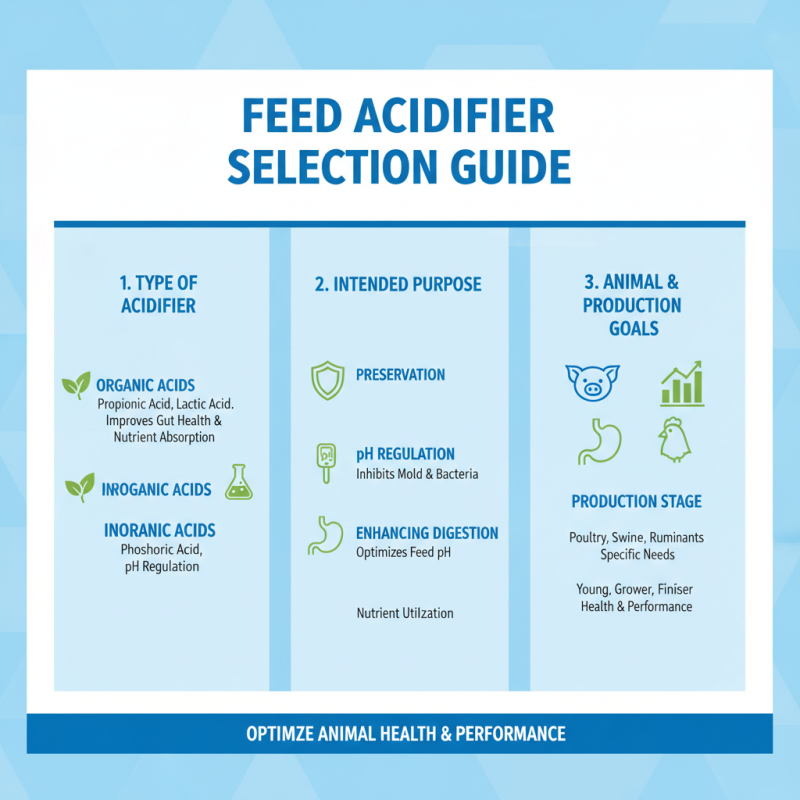
When selecting feed acidifiers for animal diets, several critical factors should be considered to ensure the optimal health and performance of livestock. Firstly, the type of acidifier plays a significant role; organic acidifiers, such as propionic and lactic acids, can be particularly effective in improving gut health and nutrient absorption. Additionally, the intended purpose of the acidifier, whether for preservation, pH regulation, or enhancing digestion, should align with the specific needs of the animal species and production goals.
Another essential consideration is the dosage and application method. The effectiveness of an acidifier can vary based on its concentration in the feed, as well as how it is integrated into the overall diet. Producers should also evaluate the stability and shelf-life of the acidifier, as well as its compatibility with other feed ingredients. Furthermore, understanding the potential impact on taste and palatability is crucial, as it can affect animal consumption and overall feed efficiency. Thus, a comprehensive assessment of these factors will aid in the selection of the most suitable feed acidifiers for enhancing animal health and performance.
Future Trends in the Development of Feed Acidifiers for Animal Health
As the animal health industry evolves, the development of feed acidifiers is poised for significant advancements. Future trends indicate a shift towards more organic and natural acidifiers, driven by consumer demand for cleaner and safer animal products. These developments could involve using plant-derived sources and innovative fermentation processes to enhance the efficacy of acidifiers while minimizing environmental impact. The focus on sustainability is likely to shape the way these additives are formulated, ensuring they align with global efforts to reduce the carbon footprint of livestock production.
Moreover, the integration of technology in monitoring animal health and performance is expected to influence the formulation of feed acidifiers. The use of data analytics, machine learning, and on-farm sensors can provide insights into the optimal use of these additives, improving their effectiveness. This data-driven approach may lead to tailor-made feed acidifier solutions that cater to specific animal needs and health conditions. Additionally, ongoing research into gut microbiota and its relationship with animal health may reveal new opportunities for developing targeted acidifier products that promote digestive health, enhance nutrient absorption, and ultimately improve overall animal performance.