Top 10 Facts about Decoquinate Deccox You Should Know?
Decoquinate Deccox is a crucial medication in veterinary medicine. It is primarily used to control coccidiosis in livestock. Coccidiosis is a parasitic disease that can severely impact animal health and productivity. This makes understanding Decoquinate Deccox essential for farmers and veterinarians alike.
Despite its importance, many users are unaware of key facts about Decoquinate Deccox. It is vital not just to know the dosage but also to understand the potential side effects. Users often overlook how this medication works in the body. Additionally, there are various ways to administer it effectively. Misuse or misunderstanding can lead to ineffective treatment. The consequences may affect the overall health of the herd.
Exploring facts about Decoquinate Deccox reveals its benefits and limitations. Knowledge gaps exist in the agricultural community. These gaps can hinder effective animal care. Thus, recognizing these aspects fosters better animal welfare and productivity. Let’s delve deeper into what makes Decoquinate Deccox an essential tool in veterinary practice.

What is Decoquinate and its Primary Uses in Animal Health?
Decoquinate is an important compound in the field of animal health. It primarily targets coccidiosis, a parasitic disease that affects livestock. This illness can lead to weight loss and lower productivity. According to the Animal Health Institute, coccidiosis costs the livestock industry billions annually. Decoquinate acts by inhibiting the development of coccidia in the animal's gut.
This compound is commonly used in poultry and cattle. Research suggests that Decoquinate can reduce the incidence of coccidia-related issues significantly. Studies indicate that its effectiveness can lead to a potential 50% decrease in disease prevalence. Such a reduction translates to improved growth rates and better feed conversion ratios. For many farmers, implementing Decoquinate can be a cost-effective strategy to enhance animal health.
However, the use of Decoquinate is not without challenges. Some reports highlight concerns about potential resistance issues and environmental impact. Over-reliance on any treatment can lead to diminishing returns. Farmers must continuously evaluate the effectiveness of Decoquinate against evolving strains of parasites. This situation emphasizes the importance of an integrated approach to animal health management. Balancing chemical interventions with good husbandry practices is essential for long-term success.
Top 10 Facts about Decoquinate Deccox
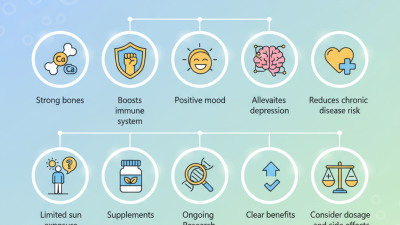
Decoquinate is a widely used coccidiostat in animal health that helps prevent coccidiosis, particularly in poultry and livestock. This chart presents key statistics regarding its usage, effectiveness, and benefits in different animal species.
Mechanism of Action: How Decoquinate Works Against Coccidia
Decoquinate, often referred to as Deccox, is significant in animal health. Its mechanism of action revolves around inhibiting coccidian development. Coccidia are harmful protozoa that can affect various animals, especially livestock. By obstructing their reproduction cycle, decoquinate helps in managing these infections.
When decoquinate is introduced, it affects the mitochondria of coccidia. This disruption leads to energy depletion in these parasites. As a result, their growth and multiplication slow down, allowing the host's immune system to fight back. Interestingly, this process also raises questions. How effective is decoquinate in all cases?
In practice, results can vary. Some animals show improvement quickly, while others may need more time. The effectiveness can depend on factors like dosage and timing. It's crucial to monitor the animals' response. This leads to reflections on the importance of proper management in animal care. The journey of understanding decoquinate and its role in combating coccidia continues.
Recommended Dosage and Administration Guidelines for Decoquinate
Decoquinate, commonly known as Deccox, is a coccidiostat used in veterinary medicine. It plays a key role in the prevention of coccidiosis, a parasitic disease affecting livestock. When administering Decoquinate, proper dosage is crucial for its effectiveness and safety.
The recommended dosage of Decoquinate varies. For young animals, the typical dose is around 0.5 mg per kg of body weight. It's usually mixed with feed for easier consumption. Monitoring the animals after administration is important. Watch for any signs of distress or adverse reactions. Feeding them small amounts initially can help ensure they tolerate the medication well.
Tips: Always consult a veterinarian before starting any medication. Each animal's health status varies, and adjustments may be needed. Also, consider making the transition gradual. A sudden change in diet can lead to digestive upset.
Keep records of administration and reactions. If any issue arises, timely intervention can mitigate potential problems. Being observant can provide insights into the overall health of the animals. Remember, the goal is to enhance their wellbeing, not just prevent disease.
Potential Side Effects and Precautions When Using Decoquinate
Decoquinate, also known as Deccox, is often used for livestock health. While it offers benefits, understanding potential side effects is crucial. Some animals may experience digestive upset, including diarrhea or nausea. These reactions can be distressing. It's important to monitor your animals closely.
Be cautious with dosage. Overdosing can lead to severe health issues. Notice any changes in behavior or appetite. If you're unsure, seek veterinary advice. It’s better to be safe than sorry. Dehydration and weight loss can result from gastrointestinal side effects.
Tips for using Decoquinate:
- Always follow recommended dosages.
- Keep a close eye on your animals.
- Ensure they have fresh water available.
Educate yourself on the possible side effects before starting treatment. Consider alternate solutions if your animals show signs of distress. Your responsibility as a caretaker involves understanding risks. Adjust your approach if side effects appear.
Comparison with Other Anticoccidials: Advantages and Disadvantages
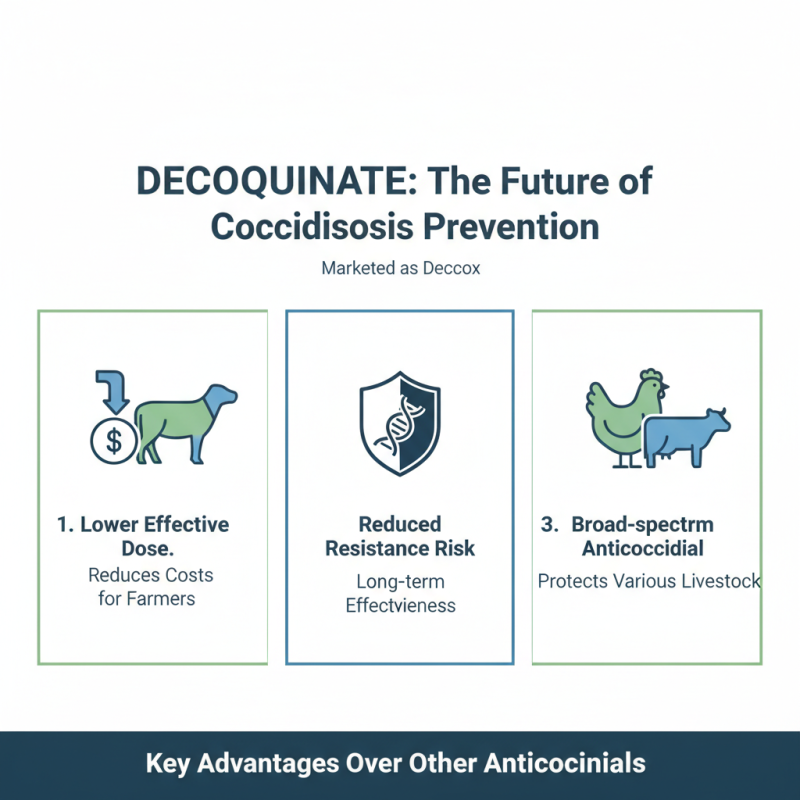
Decoquinate, often marketed as Deccox, is a key anticoccidial agent. It plays a significant role in preventing coccidiosis in livestock. When comparing it to other anticoccidials, several advantages emerge. Studies indicate that Decoquinate is effective at lower doses. Research shows it requires smaller amounts for optimal effectiveness, which can reduce costs for farmers. Additionally, it exhibits a lower risk of resistance development compared to some alternatives.
However, Decoquinate has its limitations. Its spectrum of action is narrower than some other products. This means it may not combat all coccidia species effectively. A recent survey noted that only 50% of producers were satisfied with its efficacy in certain cases. Additionally, it has a longer withdrawal period, which can pose challenges for livestock producers aiming for quick turnover.
Furthermore, the potential side effects of Decoquinate are noteworthy. Some studies documented instances of feed refusal in young animals. This highlights the importance of monitoring animal health when using this product. Balancing the benefits and drawbacks is crucial for effective management in livestock operations.