Why Are Tocotrienols Important for Health and Wellness?
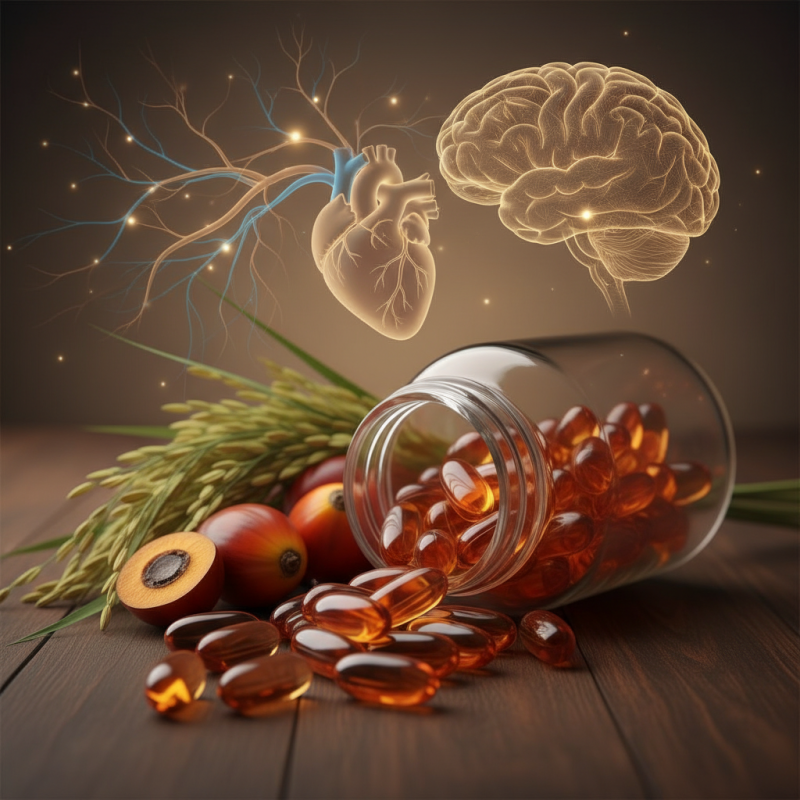
Tocotrienols are a unique form of vitamin E. They belong to the tocopherol family but possess distinct properties. These compounds play vital roles in promoting health and wellness.
Research suggests that tocotrienols support heart health. They help reduce cholesterol levels and improve blood circulation. This can reduce the risk of heart disease, a growing health issue worldwide. Additionally, tocotrienols may aid in protecting the brain. Some studies indicate these compounds could mitigate neurodegenerative diseases.
Despite these benefits, awareness of tocotrienols remains low. Many people still rely solely on traditional vitamin E sources. This oversight could deprive individuals of essential health benefits. Exploring and understanding tocotrienols could unlock opportunities for improved well-being. As we navigate through modern health challenges, recognizing the value of tocotrienols is crucial.
What Are Tocotrienols and Their Sources?
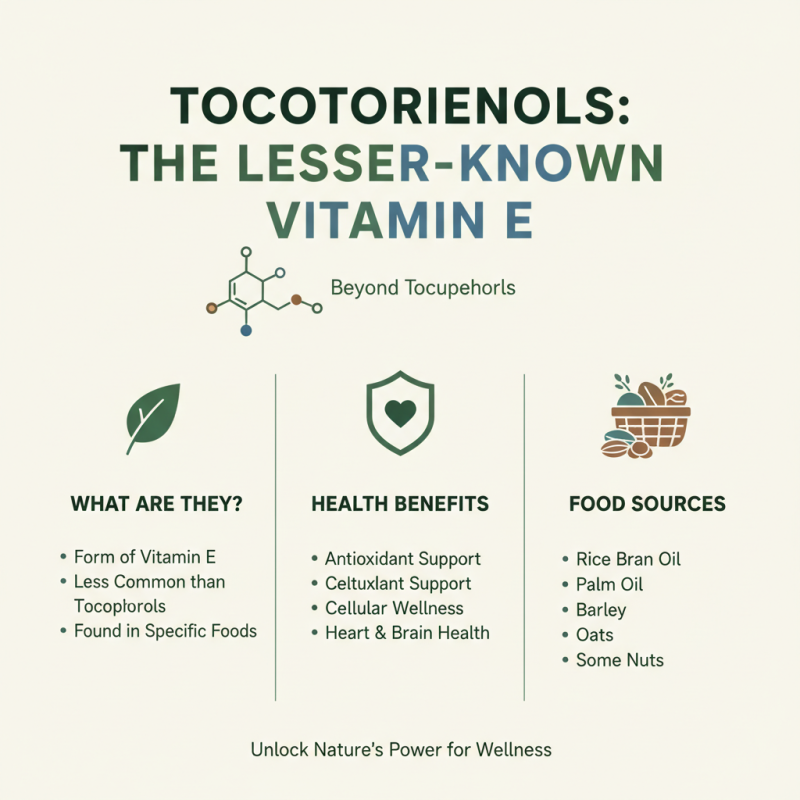
Tocotrienols are a form of vitamin E found in various foods. They play a crucial role in supporting health and wellness. These compounds are less common than tocopherols, another vitamin E type. Tocotrienols can be found in specific grains, nuts, and oils, offering benefits that demand our attention.
Common sources of tocotrienols include palm oil, rice bran oil, and barley. Nuts like walnuts and hazelnuts also contain these powerful nutrients. Surprisingly, many people overlook these foods in their diets. This can lead to deficiencies that might affect overall health. It's essential to recognize that not all oils are created equal. Choosing the right oils can enrich our diets.
Though tocotrienols show promise, their effects are not fully understood. Some studies suggest they may help heart health and reduce inflammation. However, research is ongoing, and results can vary. This leaves us wondering about their true impact. Are we consuming enough? Awareness of tocotrienols is crucial for better health choices.
The Role of Tocotrienols in Antioxidant Defense
Tocotrienols are a form of vitamin E, essential for maintaining health. They play a significant role in antioxidant defense mechanisms. Antioxidants are crucial in protecting cells from oxidative stress, which can lead to chronic diseases.
A recent study revealed that tocotrienols are 40 to 60 times more potent than tocopherols in combating oxidative stress. This highlights their unique abilities to reduce cell damage. They help neutralize free radicals, which are unstable molecules that can harm cells. Free radical accumulation is linked to aging, cancer, and heart disease.
Incorporating tocotrienols into your diet can be beneficial. Foods rich in tocotrienols include rice bran oil, barley, and oats. However, many people may not consume these regularly. Awareness about tocotrienols is still low. More research is needed to explore their full potential. We should consider how these unique compounds can positively impact our health before it's too late.
Why Are Tocotrienols Important for Health and Wellness? - The Role of Tocotrienols in Antioxidant Defense
| Health Benefit |
Description |
Sources |
Recommended Intake |
| Antioxidant Defense |
Tocotrienols help neutralize free radicals, reducing oxidative stress. |
Rice bran oil, palm oil, and certain grains. |
100-300 mg per day. |
| Heart Health |
May lower cholesterol levels and improve heart health. |
Nuts, seeds, and certain vegetable oils. |
100 mg daily can support cardiovascular health. |
| Anti-Inflammatory |
Tocotrienols may help reduce inflammation in the body. |
Avocados, olives, and some seeds. |
200 mg for anti-inflammatory effects. |
| Brain Health |
Potential neuroprotective effects, may enhance cognitive functions. |
Barley and wheat germ. |
150 mg to support brain health. |
| Skin Health |
May protect skin from UV damage and improve skin elasticity. |
Topical oils and supplements. |
Apply as needed or 100 mg orally. |
Health Benefits of Tocotrienols for Cardiovascular Wellness
Tocotrienols play a vital role in promoting cardiovascular health. They are a form of vitamin E that is often overlooked. Unlike their tocopherol counterparts, tocotrienols possess unique properties beneficial for heart wellness. They help reduce cholesterol levels, which is critical for maintaining a healthy heart.
Studies suggest that tocotrienols may decrease oxidative stress. This is important because oxidative stress contributes to various heart diseases. The compounds work by neutralizing harmful free radicals. They also improve blood vessel function, enhancing circulation. Furthermore, these nutrients may help regulate blood pressure, promoting overall cardiovascular stability.
Incorporating tocotrienols into one’s diet can be challenging. Many people are unaware of their sources. Foods like rice bran and barley are excellent options. However, modern diets often lack these ingredients. It’s essential to reflect on your nutritional intake. Regularly consuming a variety of whole foods can support heart health. Staying informed about tocotrienols encourages proactive wellness choices.
Tocotrienols and Their Impact on Brain Health and Cognitive Function
Tocotrienols, part of the vitamin E family, play a vital role in brain health. They are not as well-known as tocopherols, but their benefits are significant. Studies suggest that tocotrienols may protect neurons from damage. They help reduce oxidative stress in the brain, which is crucial for cognitive function.
Research indicates that these compounds can enhance memory and learning capabilities. In animals, tocotrienols show promise in improving cognitive performance. Some people report better focus and clarity when consuming tocotrienols. These effects can be life-changing for individuals experiencing age-related cognitive decline.
It's essential to reflect on our diets. Many of us lack sufficient tocotrienols. Whole grains, nuts, and tropical oils are good sources. Incorporating these foods might be beneficial, but many still overlook them. Awareness is key. Understanding nutrient roles can empower us to make healthier choices for our brains.
Tocotrienols and Their Impact on Brain Health and Cognitive Function
Tocotrienols have been associated with various aspects of brain health and cognitive function. This chart illustrates the perceived impact levels of tocotrienols on different health benefits, highlighting their potential role in enhancing cognitive function, memory retention, neuroprotection, mood improvement, and overall brain health.
Potential Applications of Tocotrienols in Wellness Supplements
Tocotrienols are a unique form of vitamin E, gaining attention for their potential health benefits. Research indicates they may play a role in cardiovascular health, cholesterol management, and inflammation reduction. A 2022 study in the Journal of Nutritional Biochemistry highlighted that tocotrienols could lower LDL cholesterol by up to 15%. This finding is particularly significant in today's society, where heart disease remains a leading cause of death.
In wellness supplements, tocotrienols are becoming increasingly popular. They offer a natural alternative for those looking to enhance their health without synthetic additives. A report by Global Market Insights predicts that the tocotrienol supplement market will reach $1 billion by 2026. However, it’s essential to approach these supplements with caution. Not all tocotrienols are created equal, and quality varies greatly between products. Furthermore, individual responses to supplements can differ, making it crucial to consult healthcare providers before starting any new regimen.
As more research emerges, the applications of tocotrienols may expand. Their antioxidant properties could support skin health, and some studies indicate potential benefits for cognitive function. Yet, it’s important to note that evidence remains limited. Continued study is needed to fully understand how these compounds interact with the body. The path forward is promising but demands a critical eye on emerging data.