What are Tocotrienols and Their Health Benefits?
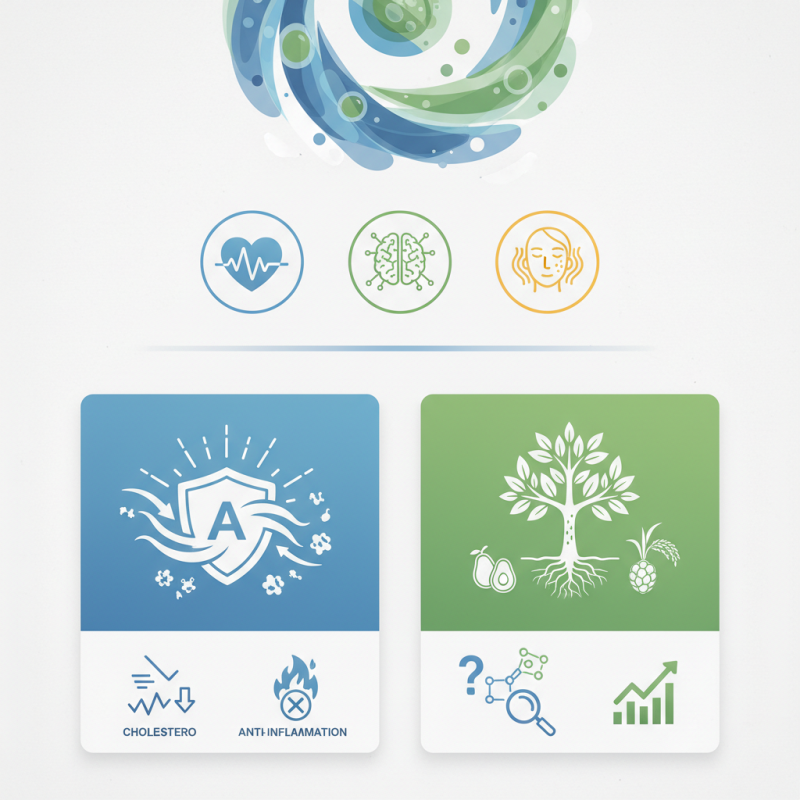
Tocotrienols are a lesser-known form of vitamin E, gaining attention for their unique health benefits. Dr. Mary Jones, a leading expert in nutritional biochemistry, states, "Tocotrienols have a surprising potential to support health beyond traditional vitamins." This remarkable compound has properties that may improve heart health, support brain function, and enhance skin appearance.
Research highlights the antioxidant power of tocotrienols, which combat oxidative stress. This stress can lead to various chronic diseases. A growing body of evidence suggests that tocotrienols may lower cholesterol levels and provide anti-inflammatory effects. Many people overlook these benefits in daily nutrition.
However, as we embrace tocotrienols, we must ask critical questions. Are we aware of our dietary choices? Integrating tocotrienols into our diets requires conscious effort. With their rising popularity, ensuring quality sources is essential. While tocotrienols show promise, individual results may vary. Further studies are needed to fully understand their potential.
What Are Tocotrienols? A Detailed Overview of Their Definition and Sources
Tocotrienols are a form of vitamin E. They differ from tocopherols in their chemical structure. This difference gives them unique health properties. Tocotrienols are primarily found in certain grains, fruits, and oils. Notably, palm oil, rice bran oil, and barley are rich sources. Research indicates that these compounds have potent antioxidant effects.
A study from the American Journal of Clinical Nutrition suggests tocotrienols may lower cholesterol levels significantly. Specifically, they help reduce LDL cholesterol by up to 15%. Not just that, but tocotrienols show promise in supporting brain health. They may protect against neurodegenerative diseases. The mechanisms behind this are still under investigation.
Furthermore, these compounds may enhance skin health through their anti-inflammatory properties. Skin exposure to tocotrienols has shown reduced oxidative stress in clinical studies. Yet, further research is needed to fully understand their benefits. The lack of large-scale human trials raises questions. More insights could lead to better recommendations in nutrition guidelines.
The Biochemical Structure of Tocotrienols: Understanding Their Unique Composition
Tocotrienols, part of the vitamin E family, have a unique biochemical structure. Unlike tocopherols, they possess an additional double bond in their side chain. This small difference allows tocotrienols to exhibit distinct properties.
Their unsaturated structure makes them more fluid and biologically active. They can easily interact with cellular membranes. This enhances their antioxidant capabilities.
The unique composition of tocotrienols aids in reducing oxidative stress. They help protect the body from free radical damage. Studies suggest they also support cardiovascular health and cholesterol management. For instance, tocotrienols may lower LDL cholesterol levels. This aspect makes them significant in combating heart disease. However, more research is needed to fully understand their effects.
Many people remain unaware of tocotrienols' benefits. This lack of awareness can limit their potential use in diets. Perhaps better education on tocotrienols is necessary. It is essential to explore this nutrient further.
The health benefits feel promising, but we need more evidence. Understanding these compounds better may lead to innovative health solutions.
Health Benefits of Tocotrienols: Antioxidant Properties and Mechanisms
Tocotrienols, a form of Vitamin E, exhibit remarkable antioxidant properties. Research shows that tocotrienols can combat oxidative stress, which is pivotal in preventing chronic diseases. A study revealed that tocotrienols are 40 to 60 times more potent in antioxidant activity than tocopherols, the more common form of Vitamin E. This is significant in reducing free radicals in the body, promoting overall health.
Their mechanisms of action are intriguing. Tocotrienols protect cell membranes by preventing lipid peroxidation. They also influence gene expression related to inflammation and cell survival. Further research found that tocotrienols inhibit cholesterol synthesis. A notable study published findings indicating that tocotrienols can lower LDL cholesterol levels by up to 20%. This effect could be crucial for individuals at risk of cardiovascular diseases.
Despite these benefits, it's essential to consider some limitations. Not all studies reach a consensus about tocotrienols' efficacy. Some data suggest that absorption rates vary considerably between individuals. This variability can influence the overall effectiveness of tocotrienols in health maintenance. Ongoing research is necessary to fully understand their potential and limitations.
Health Benefits of Tocotrienols
Clinical Studies: Tocotrienols' Role in Cardiovascular Health and Disease Prevention
Tocotrienols are lesser-known members of the vitamin E family. They have unique structures that grant them special properties. Recent clinical studies highlight their potential role in cardiovascular health. These studies suggest tocotrienols can reduce cholesterol levels. They may help maintain arterial health by preventing plaque buildup.
In clinical trials, participants showed improved heart health markers after tocotrienol supplementation. For instance, some studies found reduced triglycerides and improved blood flow. However, results varied, and not all participants experienced benefits. This inconsistency raises questions about dosage and individual responses.
Tocotrienols also possess antioxidant properties, which can combat oxidative stress. Oxidative stress is linked to many heart diseases. Yet, further research is required to fully understand their mechanisms. The relationship between tocotrienols and disease prevention is still unfolding. Continued investigation may reveal more about their effects on heart health.
Tocotrienols vs. Tocopherols: A Comparative Analysis of Efficacy and Benefits
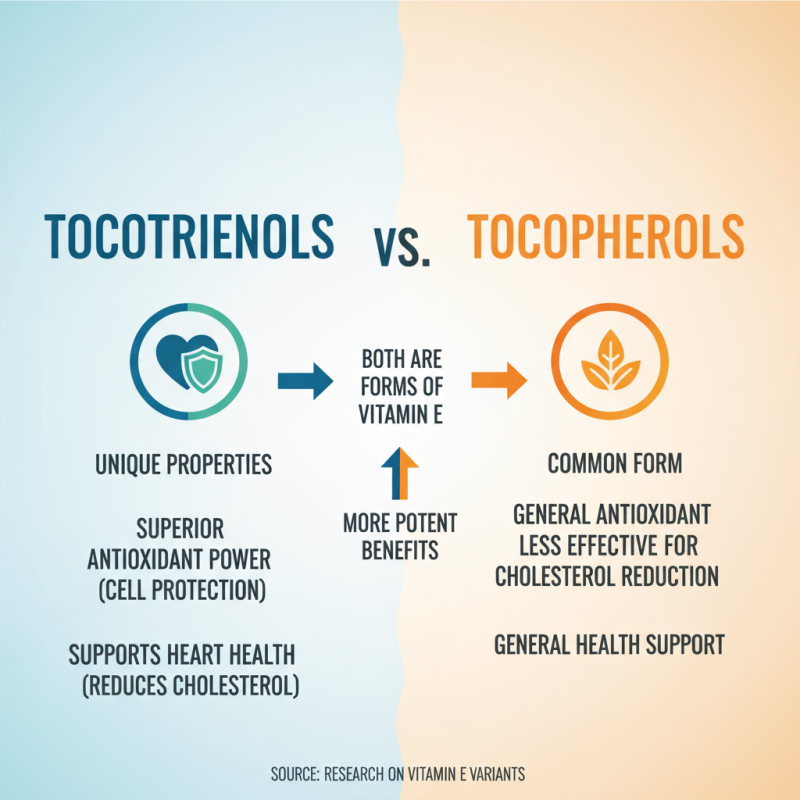
Tocotrienols and tocopherols are both forms of vitamin E, but they differ significantly. Tocotrienols have unique properties that make them effective in various health contexts. For instance, they can support heart health by reducing cholesterol levels. This is something tocopherols may not do as effectively. Tocotrienols also display antioxidant properties that surpass those of tocopherols. This means they can better protect cells from damage.
Tips: Incorporating foods rich in tocotrienols, like palm oil and certain grains, can enhance your diet. Be mindful, though, as the balance between tocotrienols and tocopherols in your diet matters. Too much tocopherol can lead to imbalances.
Another point of reflection is the bioavailability of these nutrients. Tocotrienols are often less absorbed in the body compared to tocopherols. This can impact their efficacy. A thoughtful approach is to consider how you combine these nutrients in meals. The method of food preparation might also play a role in nutrient absorption.
Understanding these nuances can help you make better dietary choices. Aiming for a balanced intake of both tocotrienols and tocopherols is key. Consider consulting a healthcare professional for personalized advice on these vitamins.