How to Source Folic Acid for Global Procurement Needs?
Folic acid is an essential B vitamin, crucial for human health. It plays a vital role in DNA synthesis and cell division. Globally, the demand for folic acid is increasing. This demand is driven by its importance in prenatal care and its use in dietary supplements. However, sourcing folic acid effectively can be challenging.
Many suppliers exist, yet quality varies considerably. Establishing reliable partnerships is essential for consistent quality. Transparency in the supply chain builds trust between buyers and suppliers. Understanding regulatory standards is also crucial when sourcing folic acid. Different countries have unique regulations that impact procurement practices.
While there are many resources available, misinformation can lead to poor decisions. It is important for procurement professionals to stay informed. Attending industry conferences or following credible publications can enhance knowledge. Sourcing folic acid requires diligence, attention to detail, and a commitment to quality.

Understanding Folic Acid: Importance and Global Demand Trends
Folic acid, also known as vitamin B9, plays a crucial role in human health. It's vital for DNA synthesis and repair. Pregnant women need folic acid for fetal development. Insufficient intake can lead to severe birth defects. Recent data indicates that around 30% of women in reproductive age globally do not get enough folic acid. This gap highlights the growing global demand for folic acid.
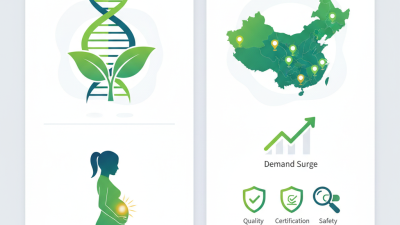
The demand for folic acid has seen a steady increase, expected to rise at over 5% CAGR from 2023 to 2030. This growth is driven by rising awareness of its health benefits and increased dietary supplements consumption. In Asia-Pacific, the demand surge reflects changing dietary habits and urbanization. Countries like India and China are investing in fortified foods. However, sourcing folic acid can be challenging. Quality assurance and regulatory compliance are vital in global procurement.
Supply chain complexity adds layers of difficulty too. Sourcing from multiple suppliers increases risks. Producers must navigate varying regulations and standards. Market fluctuations can also impact pricing and availability. Many companies are exploring local sources to mitigate these challenges. This approach may improve reliability, but it requires thorough evaluation and long-term commitment.
Identifying Reliable Suppliers for Folic Acid Procurement
Identifying reliable suppliers for folic acid procurement requires diligent research and evaluation. The global market for folic acid is projected to reach USD 1 billion by 2027, showcasing its significance in various industries, including pharmaceuticals and food supplements. With increasing awareness of the benefits of folic acid, demand is likely to rise, making supplier selection crucial.
Utilizing data from reputable industry reports can help in identifying potential suppliers. Look for companies with Good Manufacturing Practices (GMP) certifications. This accreditation demonstrates their commitment to quality and safety standards. It is essential to vet suppliers by checking their reputation in the market, their financial stability, and their capacity to meet your procurement volume. A recent survey indicated that 30% of businesses face issues due to unreliable suppliers, reflecting the need for thorough supplier assessments.
Engaging directly with potential suppliers can also yield insights into their operations. Request samples for quality assessment. It is a practical step, though not all suppliers will respond positively. Some may lack transparency about their sourcing or production processes. A supplier's willingness to share information can signal reliability. Keep in mind, the landscape is changing. Some suppliers may use outdated techniques, and it is crucial to stay aware of advancements in folic acid production.
Evaluating Quality Standards and Certifications for Folic Acid
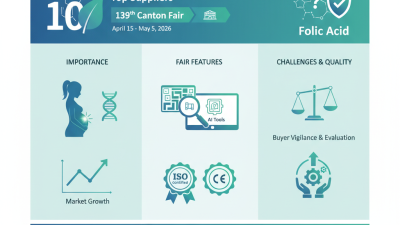
When sourcing folic acid for global procurement, ensuring quality standards is crucial. Different suppliers may have varying certifications, impacting overall product safety and efficacy. It's essential to evaluate these standards to maintain high quality. Look for certifications such as ISO and GMP. These indicate conformity to rigorous quality management practices.
Tips: Ask for lab test results to verify purity. Check for any contaminants, as this can significantly affect health outcomes. Don’t hesitate to request information about the sourcing process. Transparency is a good sign of a reliable supplier.
Another aspect to consider is the origin of the folic acid. The production methods can vary between regions. This may influence the chemical structure and absorption in the body. Always question the supplier about their manufacturing process and quality control measures in place.
Tips: Review the supplier's reputation through independent audits or industry reports. Assessing past performance can provide insights into their reliability. Ensure they are willing to discuss your concerns openly; this transparency is vital for a successful partnership.
Navigating Regulatory Compliance for Folic Acid Sourcing
Navigating regulatory compliance for folic acid sourcing can be complex. Various countries have unique requirements for its import and use. Understanding these regulations is crucial for ensuring smooth procurement. Manufacturers must offer evidence of compliance with safety standards and labeling requirements. Failing to do so can lead to severe penalties.
Staying updated on global standards is essential. Regulations can change frequently. Companies need to regularly review their sourcing practices to align with these updates. Documents like Certificates of Analysis, or COAs, are often required during inspections. These documents validate the quality and purity of folic acid.
Developing relationships with regulatory bodies can enhance compliance efforts. Clear communication with suppliers can also streamline sourcing. However, it is important to remain vigilant. Mistakes in sourcing can jeopardize product integrity and company reputation. Regular audits and thorough documentation practices are vital for long-term success.
Establishing Sustainable Procurement Practices for Folic Acid Supply
Sourcing folic acid for global procurement requires careful attention to sustainable practices. Sustainable procurement is not just a checkmark; it needs commitment. Establishing relationships with ethical suppliers is crucial. Understand their production processes. Are they environmentally friendly? This helps ensure that your sources align with your values.
The procurement landscape is complex. Pricing pressures can influence decisions. However, this might compromise quality or ethics. Companies need to balance cost with sustainability. Engaging in transparent dialogues with suppliers can shed light on their practices. Ask for certifications. Demand accountability. These actions strengthen the reliability of your supply chain.
Monitoring supply chains is essential for maintaining standards. Regular audits can expose areas needing improvement. Collaborate with suppliers to enhance their sustainability initiatives. However, there's always room for reflection. Are you doing enough? Sustainable practices require ongoing efforts and adaptations. Prioritize long-term impacts over short-term gains.
How to Source Folic Acid for Global Procurement Needs? - Establishing Sustainable Procurement Practices for Folic Acid Supply
| Region |
Annual Demand (Metric Tons) |
Current Suppliers |
Sourcing Challenges |
Sustainable Practices |
| North America |
2500 |
5 |
Supply chain disruptions |
Local sourcing programs |
| Europe |
3000 |
8 |
Regulatory compliance |
Ethical sourcing policies |
| Asia |
4000 |
10 |
Quality control issues |
Sustainable agriculture partnerships |
| South America |
1500 |
4 |
Logistics and transport |
Community engagement initiatives |
| Africa |
1000 |
3 |
Political instability |
Fair trade practices |