What is the Relationship Between Metformin and Vitamin B12?
The relationship between Metformin and Vitamin B12 is a crucial topic in diabetes management. According to a study published by the Journal of Diabetes Research, around 30% of Metformin users experience Vitamin B12 deficiency. This significant statistic highlights the need for awareness among healthcare providers and patients alike.
Dr. Sarah Thompson, an endocrinology expert, emphasizes this importance: “Regular monitoring of Vitamin B12 levels in patients on Metformin is essential for optimal health outcomes.” This statement underscores the potential risks linked to prolonged Metformin use without sufficient nutritional guidance.
Patients on Metformin must be educated about the symptoms of B12 deficiency, such as fatigue or neuropathy. The underlying mechanisms of how Metformin affects Vitamin B12 absorption remain under investigation. However, increased awareness can help mitigate risks associated with this medication, ensuring safer diabetes management.

Understanding Metformin: Mechanism of Action and Uses
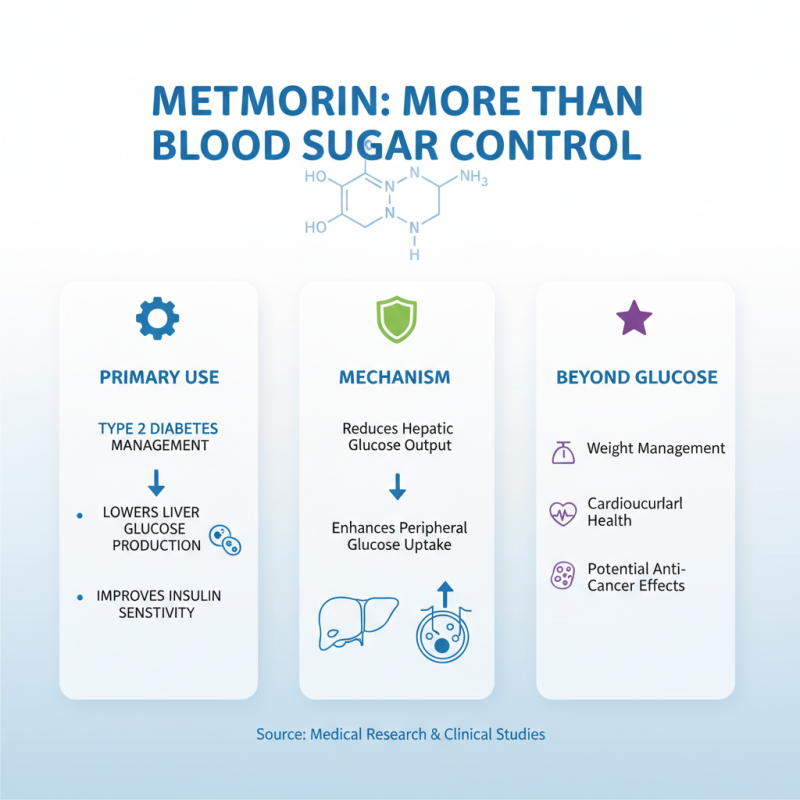
Metformin is primarily used to manage type 2 diabetes. It works by lowering glucose production in the liver. By doing so, it helps improve insulin sensitivity in the body. This mechanism is crucial for many people struggling with blood sugar levels. However, its benefits extend beyond blood sugar control.
While Metformin is effective, it can have side effects. One concern is its impact on vitamin B12 levels. Many users report lower levels of this essential vitamin. Over time, this deficiency can lead to anemia and neuropathy. It's vital for patients to monitor their vitamin B12 status regularly. Some may need supplements to counteract the effects of Metformin.
Furthermore, the relationship between Metformin and B12 deficiency raises questions. Is it the drug's mechanism that causes the depletion? Or could other factors play a role? Each individual's response can differ significantly. Listening to one’s body and addressing concerns with healthcare professionals is key. The link is not entirely clear, but awareness is crucial for managing health effectively.
Overview of Vitamin B12: Importance and Functions in the Body
Vitamin B12 plays a crucial role in our body. It is essential for nerve health and red blood cell production. This vitamin helps produce DNA, too. Without adequate B12, one may face fatigue and weakness. Neurological issues could arise when the levels drop.
Many people overlook the importance of B12. While it's found in animal products, some individuals may lack these in their diet. Vegetarians and vegans should pay extra attention. Symptoms of deficiency include memory loss and numbness. Regular check-ups could aid in early detection of such issues.
Tips: Consider adding fortified foods to your diet. Speak with a healthcare provider about a blood test for B12 levels. Keep an eye on symptoms like fatigue. These small steps can make a big difference in maintaining your health.
The Impact of Metformin on Vitamin B12 Levels
Metformin is a common medication used to manage diabetes. Many patients may not realize that it can impact Vitamin B12 levels. Research indicates that long-term metformin use can lead to lower levels of this essential vitamin. Some studies suggest that up to 30% of patients may experience deficiencies.
The mechanism behind this connection is not fully understood. Metformin may affect the absorption of Vitamin B12 in the intestines. This leads to concerns about potential neurological effects, as Vitamin B12 is crucial for nerve health. Patients should monitor their B12 levels regularly if they are on Metformin long-term.
Many individuals may not notice any symptoms until significant deficiencies occur. Symptoms can include fatigue, numbness, and memory issues. These signs are often overlooked, leading to further complications. To address this, regular blood tests can ensure adequate levels of Vitamin B12 while taking Metformin. Some patients may need to adjust their diets or consider supplementation.
What is the Relationship Between Metformin and Vitamin B12? - The Impact of Metformin on Vitamin B12 Levels
| Aspect |
Description |
| Metformin |
A medication primarily used to treat type 2 diabetes. |
| Vitamin B12 |
An essential vitamin important for nerve function, red blood cell production, and DNA synthesis. |
| Impact on B12 Levels |
Metformin use has been associated with reduced levels of vitamin B12 in some patients. |
| Prevalence of Deficiency |
Approximately 10-30% of long-term Metformin users may develop B12 deficiency. |
| Symptoms of Deficiency |
Fatigue, weakness, constipation, loss of appetite, and neurological issues. |
| Monitoring Recommendations |
Patients on Metformin should have their B12 levels monitored regularly, particularly after 2-3 years of therapy. |
| Supplementation |
Vitamin B12 supplements may be necessary for those experiencing deficiency symptoms. |
Possible Mechanisms of Vitamin B12 Deficiency Induced by Metformin
Metformin is a widely used medication for type 2 diabetes. However, its long-term use may lead to vitamin B12 deficiency in some patients. Studies suggest that around 10-30% of individuals on metformin may experience this deficiency. Understanding the mechanisms behind this is essential for proper management.
One proposed mechanism is that metformin affects the absorption of vitamin B12 in the intestines. It is thought to inhibit calcium-dependent membrane action necessary for vitamin B12 absorption. Additionally, some research indicates that metformin may alter gut microbiota. This change can further impact the metabolism and absorption of vitamin B12. An analysis in "Diabetes Care" found a significant association between metformin use and lower serum B12 levels.
Monitoring vitamin B12 levels in patients on metformin should be routine. Health professionals often overlook this. Deficiency can lead to anemia and neurological issues. Regular check-ups may not always catch these complications. It's crucial to balance the benefits of metformin with potential risks. Patient education can also be improved. Many are unaware of the deficiencies linked to their medication.
Managing Vitamin B12 Status in Patients Taking Metformin
Metformin is a common medication for managing type 2 diabetes. It helps regulate blood sugar levels effectively. However, one notable side effect is its potential impact on vitamin B12 levels. Studies show that approximately 30% of patients taking Metformin may develop vitamin B12 deficiency over time. This deficiency can lead to anemia or neuropathy if not monitored.
Managing vitamin B12 status in patients on Metformin requires regular screening. Some experts recommend checking levels annually for those on long-term treatment. Dietary sources of vitamin B12 include meat, dairy, and fortified foods. Unfortunately, some patients, especially vegetarians or those with dietary restrictions, may struggle to maintain adequate levels.
Beyond diet, supplementation may be necessary for some individuals. A study found that 10% of patients taking Metformin regularly needed B12 supplements. This raises questions about healthcare access, as not all patients may be informed about the risk. Regular discussions between patients and healthcare providers are essential. The focus should be on comprehensive care and routine check-ups to prevent deficiencies. Ignoring this aspect could lead to more severe health issues down the line.