How to Prevent Metformin Induced Vitamin B12 Deficiency in Diabetics?
In the realm of diabetes management, the connection between Metformin and Vitamin B12 deficiency poses significant concerns. According to Dr. Emily Carson, a leading expert in diabetes care, "Long-term Metformin usage can lead to a silent depletion of Vitamin B12." This underscores the need for vigilance among both patients and healthcare providers.
Metformin is often the go-to medication for type 2 diabetes. Despite its benefits in controlling blood sugar levels, it can hinder B12 absorption. This could lead to fatigue, neuropathy, and other health complications. Diabetics on Metformin must closely monitor their B12 levels. Regular testing can help identify deficiencies early.
Incorporating dietary sources of Vitamin B12, such as meat, dairy, and fortified foods, is essential. Additionally, supplementation may be necessary for some individuals. The journey to balance Metformin and Vitamin B12 is complex. It often requires ongoing reflection and adjustment to treatment plans. Addressing this issue can significantly enhance overall health and well-being for diabetics.

Understanding Metformin and Its Role in Diabetes Management
Metformin is a widely used medication for managing type 2 diabetes. It works by lowering blood sugar levels and improving insulin sensitivity. While it is effective, many diabetics overlook one significant side effect—vitamin B12 deficiency. This often goes unnoticed and can lead to fatigue, nerve damage, and other health issues.
Regular monitoring of B12 levels is crucial for those on metformin. Doctors may recommend supplements or dietary adjustments to mitigate this deficiency. Foods rich in B12 include meat, fish, dairy, and fortified cereals. Still, some people may struggle to get enough B12 from their diet alone.
It's important to stay informed and proactive. Diabetics should have open conversations with their healthcare providers about potential side effects. Taking metformin should not mean sacrificing overall health. Small changes, like regular blood tests and careful meal planning, can make a significant difference. It’s easy to overlook these factors, but neglecting them may lead to complications. Understanding the full impact of medication on the body is vital for achieving better health outcomes.
The Importance of Vitamin B12 for Diabetic Patients
Vitamin B12 plays a crucial role for diabetic patients. It supports nerve health and prevents neuropathy. Diabetics often face a higher risk of deficiency. This can lead to fatigue, numbness, and
balance issues. A lack of Vitamin B12 can worsen diabetes complications. It's vital to monitor levels regularly.
Many diabetics take metformin, a common medication. Unfortunately, metformin can lead to decreased B12 absorption. This might go unnoticed until symptoms appear. Patients should be aware of the early signs of deficiency. Incorporating B12-rich foods is important. Options include eggs, dairy, and fortified cereals. Regularly checking B12 levels can help catch deficiencies early.
Adapting dietary choices can be challenging. Sometimes, it’s easy to ignore the impact of B12. Busy lifestyles and food preferences make it harder to maintain balance. It’s essential to reflect on your eating habits. Consider supplements if your diet lacks B12 sources. Be proactive about your health and don't wait for symptoms to arise.
Mechanisms of Metformin Induced Vitamin B12 Deficiency
Metformin, a common medication for diabetes, can lead to vitamin B12 deficiency. This usually occurs due to its impact on gut health. Metformin alters gut microbiota and may decrease B12 absorption. The altered gut environment can make it harder for the body to utilize nutrients. This deficiency isn't always obvious initially, leading to potential complications.
Symptoms of B12 deficiency can be subtle and may include fatigue, weakness, or cognitive issues. Some individuals may not realize their vitamin levels are low until severe effects manifest. It's crucial for those on metformin to monitor their B12 levels regularly. Testing should be part of routine health checks, but awareness is often lacking.
Dietary choices can help mitigate this issue. Including B12-rich foods is essential. Animal products, fortified cereals, and dairy can boost intake. Yet, some individuals may not eat these foods due to dietary restrictions. Supplementation might be necessary for certain people. Striking a balance can be challenging. Regular communication with healthcare providers is key.
Practical Strategies to Prevent Vitamin B12 Deficiency in Diabetics
Metformin is a common medication for type 2 diabetes. However, many diabetics using it face a hidden risk: vitamin B12 deficiency. Studies indicate that up to 30% of long-term Metformin users may develop this deficiency, which can lead to nerve damage and anemia. It’s crucial to monitor vitamin B12 levels regularly.
Tips: Consider routine blood tests. They can help detect deficiency early. A simple blood draw may prevent complications later on.
Diet plays a significant role in preventing vitamin B12 deficiency. Incorporate more B12-rich foods into your meals. Good sources include eggs, fish, and dairy products. If you follow a vegan diet, fortified foods are essential. They can help maintain sufficient B12 levels.
Tips: Consult a nutritionist. They can create a personalized meal plan that meets your dietary needs and preferences.
Be aware that symptoms of deficiency can be subtle. Fatigue, weakness, or memory issues may arise gradually. Don’t dismiss these signs. They might indicate that it’s time to check your vitamin B12 levels. Regular monitoring and dietary adjustments can protect against potential health issues associated with Metformin use.
Monitoring Vitamin B12 Levels During Metformin Therapy
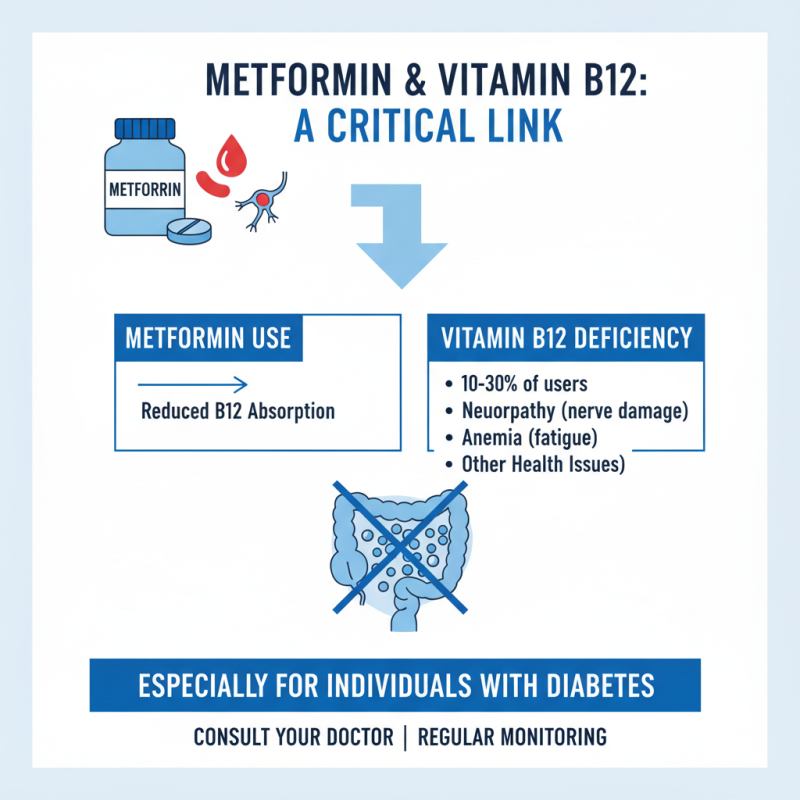
Vitamin B12 deficiency is a growing concern for individuals on metformin therapy, especially those with diabetes. Research indicates that metformin can reduce vitamin B12 absorption in the gut, leading to deficiencies. A study found that approximately 10-30% of metformin users develop vitamin B12 deficiency over time. This can lead to neuropathy, anemia, and other health issues.
Monitoring vitamin B12 levels during metformin treatment is crucial. Regular blood tests can help identify deficiencies before they become severe. Health professionals recommend checking B12 levels annually for patients on long-term metformin. Increasing awareness about signs of deficiency can empower patients to seek timely intervention. Symptoms such as fatigue, tingling in the hands, and difficulty concentrating should not be ignored.
Dietary adjustments may also play a role in prevention. Including B12-rich foods like fortified cereals, eggs, and dairy can support overall health. However, these alone may not suffice for everyone. Patients should discuss their specific needs with healthcare providers. Meticulous monitoring and lifestyle adjustments can make a significant difference in maintaining optimal vitamin B12 levels.