Why You Need Niacin and Vitamin B for Optimal Health and Wellness?
In the quest for optimal health and wellness, the importance of proper nutrition cannot be overstated, particularly when it comes to essential vitamins. Among these, Niacin and Vitamin B stand out due to their pivotal roles in supporting various bodily functions. Dr. Jane Smith, a leading expert in nutritional science, emphasizes the significance of these vitamins by stating, "Niacin and Vitamin B are fundamental for energy production and maintaining a well-functioning nervous system.”
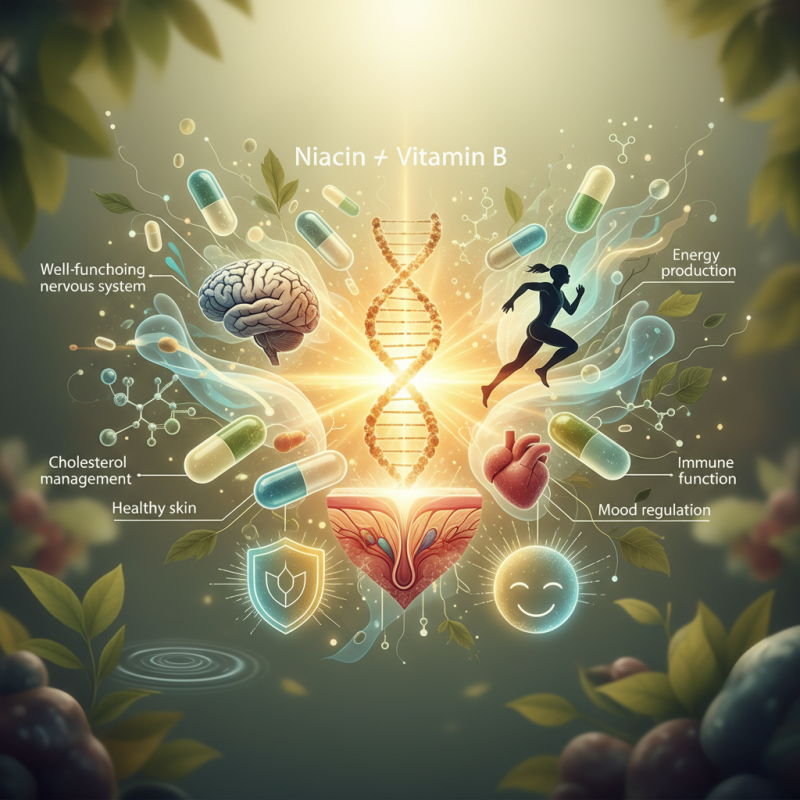
Niacin, also known as Vitamin B3, plays a crucial part in the metabolism of carbohydrates, fats, and proteins, while also promoting healthy skin and supporting cholesterol management. Meanwhile, the broader Vitamin B complex is integral to energy levels, immune function, and even mood regulation. The synergy between Niacin and other B vitamins contributes to a holistic approach to wellness, underscoring the necessity of incorporating these nutrients into our daily diets.
As we delve into the numerous benefits of Niacin and Vitamin B, it becomes clear that these essential vitamins are not just beneficial but vital for sustaining an optimal state of health. Understanding their roles paves the way for making informed dietary choices that promote long-term well-being.
The Role of Niacin and Vitamin B in Metabolism and Energy Production
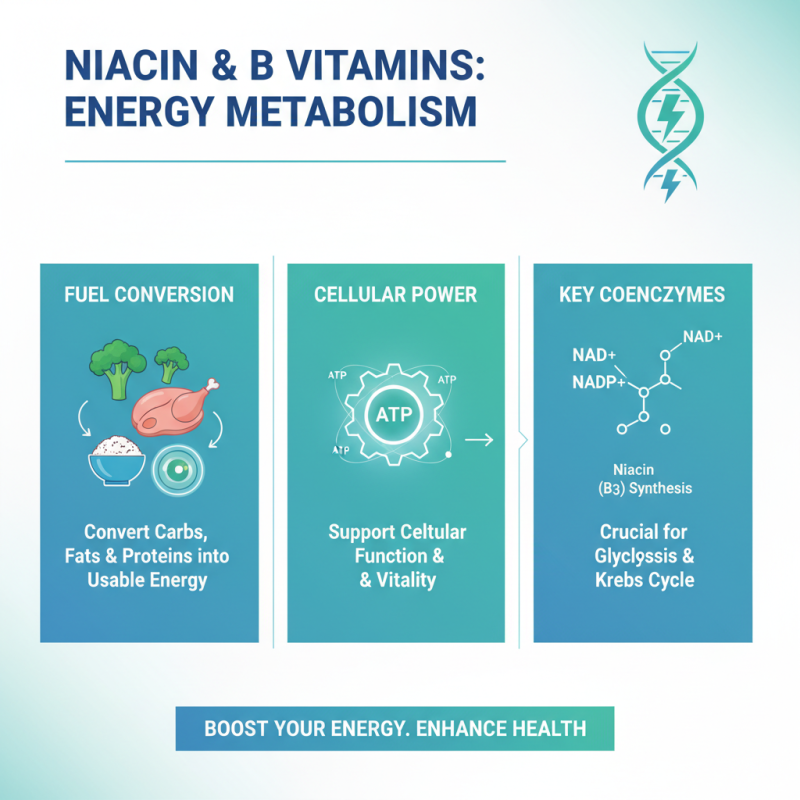
Niacin, also known as vitamin B3, and other B vitamins play crucial roles in the body's metabolic processes and energy production. These vitamins are essential for converting carbohydrates, fats, and proteins into usable energy forms, facilitating cellular function and overall vitality. Niacin specifically contributes to the synthesis of NAD and NADP, coenzymes that are vital for metabolic pathways, including glycolysis and the Krebs cycle. This energy conversion is fundamental to maintaining physical activity, supporting mental performance, and enhancing overall health.
Moreover, B vitamins work synergistically to promote efficient metabolism. For instance, vitamin B1 (thiamine) helps in the conversion of pyruvate to acetyl-CoA, a pivotal step in energy metabolism. Similarly, vitamin B2 (riboflavin) and B5 (pantothenic acid) are involved in the production of energy through their roles in the electron transport chain. This intricate network of biochemical reactions highlights the importance of adequate niacin and B vitamin intake for optimal energy levels. A deficiency in these nutrients can lead to fatigue, muscle weakness, and decreased metabolic efficiency, underscoring the necessity of incorporating them into a balanced diet for sustained health and wellness.
Health Benefits of Niacin: Cardiovascular Health and Beyond
Niacin, also known as vitamin B3, plays a crucial role in maintaining cardiovascular health. According to a report from the National Institutes of Health, niacin has been found to improve lipid profiles by increasing high-density lipoprotein (HDL) cholesterol levels, often referred to as the "good" cholesterol. A study published in the Journal of the American Heart Association indicated that regular niacin supplementation can lead to significant reductions in triglyceride levels, which are linked to an increased risk of heart disease. This protective effect emphasizes the importance of niacin in reducing the likelihood of cardiovascular events.
Beyond its heart health benefits, niacin is also vital for overall metabolic processes. Research from the American Journal of Clinical Nutrition suggests that adequate intake of vitamin B3 can support energy production within cells by assisting in the conversion of carbohydrates, fats, and proteins into usable energy. Furthermore, deficiencies in niacin have been associated with various health issues, including fatigue, low cognitive function, and skin disorders. The recommended dietary allowance for niacin is about 16 mg per day for adult males and 14 mg for adult females, highlighting the nutrient's significance in promoting not just cardiovascular health, but overall wellness as well.
Why You Need Niacin and Vitamin B for Optimal Health and Wellness?
| Nutrient |
Health Benefits |
Sources |
Recommended Daily Intake (RDI) |
| Niacin (Vitamin B3) |
Supports cardiovascular health, enhances cholesterol levels, and promotes skin health. |
Meat, fish, poultry, whole grains, and legumes. |
16 mg/day (adult males), 14 mg/day (adult females) |
| Vitamin B6 |
Aids in brain development and function, helps make hormones and red blood cells. |
Fish, beef liver, potatoes, and non-citrus fruits. |
1.3 mg/day (18-50 years) |
| Vitamin B12 |
Essential for red blood cell formation and neurological function. |
Meat, fish, dairy products, and fortified foods. |
2.4 mcg/day for adults |
| Folic Acid (Vitamin B9) |
Important for DNA synthesis and repair, reduces risk of neural tube defects during pregnancy. |
Leafy greens, legumes, seeds, and fortified grains. |
400 mcg/day for adults |
Vitamin B Complex: Types, Functions, and Sources for Optimal Wellness
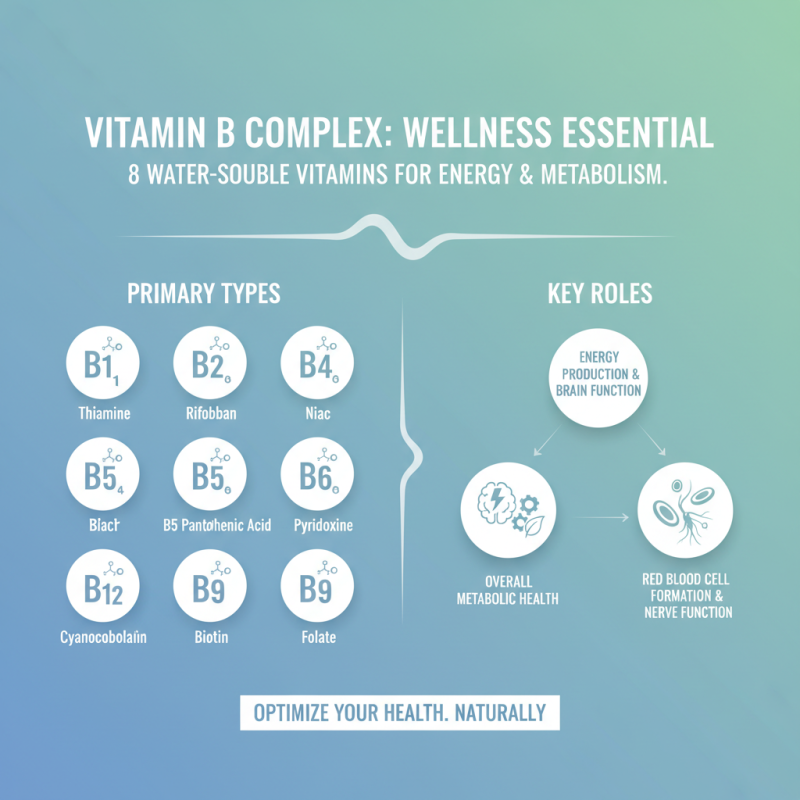
Vitamin B complex is essential for maintaining optimal wellness, as it encompasses a group of eight water-soluble vitamins that play critical roles in energy production, brain function, and overall metabolic health. The primary types include B1 (Thiamine), B2 (Riboflavin), B3 (Niacin), B5 (Pantothenic Acid), B6 (Pyridoxine), B7 (Biotin), B9 (Folate), and B12 (Cyanocobalamin). Each of these vitamins supports various bodily functions; for instance, B6 is vital for amino acid metabolism and neurotransmitter synthesis, while B12 is essential for red blood cell formation and nerve function.
Numerous studies underscore the importance of adequate B vitamin intake in preventing deficiencies that can lead to serious health issues. According to the National Institutes of Health, deficiencies in B vitamins can result in symptoms ranging from fatigue and confusion to anemia and nerve damage. For example, a report from the Centers for Disease Control and Prevention emphasizes that around 1 in 8 older adults may be B12 deficient, highlighting the need for regular dietary assessments and potential supplementation, especially among populations at risk. Dietary sources of B vitamins include whole grains, legumes, nuts, seeds, leafy green vegetables, and animal products, which together can significantly contribute to achieving recommended daily intakes.
Deficiency Symptoms: Recognizing the Signs of Niacin and Vitamin B Deficiency
Vitamin B and niacin are essential nutrients that play a crucial role in maintaining optimal health. When the body lacks these vitamins, it can lead to various deficiency symptoms that can significantly affect overall well-being. Recognizing these signs is essential for timely intervention and prevention of further health complications.
Common symptoms of niacin deficiency include fatigue, irritability, and skin irritations. Individuals may also experience digestive issues such as diarrhea and vomiting. More severe forms of deficiency can lead to pellagra, characterized by dermatitis, diarrhea, and dementia. Similarly, a deficiency in other B vitamins can manifest in diverse ways; for instance, vitamin B12 deficiency can result in anemia, neurological disorders, and memory problems. Thiamine deficiency may show up as fatigue and muscle weakness, while riboflavin deficiency can lead to sore throats, cracks, and sores on the outsides of the lips and at the corners of the mouth.
Early detection of these symptoms is critical, as addressing deficiencies through diet and supplementation can help restore health and prevent complications. Incorporating foods rich in B vitamins, such as whole grains, meats, dairy products, and leafy greens, can be an effective strategy to maintain adequate levels of these vital nutrients and enhance overall wellness.
Importance of Niacin and Vitamin B for Optimal Health
Integrating Niacin and Vitamin B into Your Daily Diet for Better Health
Integrating niacin and vitamin B into your daily diet can significantly enhance your overall health and wellness. These essential nutrients play a crucial role in energy production, brain function, and the maintenance of healthy skin. According to the National Institutes of Health, deficiencies in B vitamins, particularly B3 (niacin), can lead to serious health issues, including pellagra, which manifests through symptoms such as dermatitis, diarrhea, and dementia.
To ensure adequate intake of niacin and vitamin B, consider incorporating foods rich in these nutrients into your meals. Sources of niacin include lean meats, fish, and legumes, while whole grains, eggs, and leafy greens are excellent providers of various B vitamins. A balanced diet not only supports metabolic functions but also promotes better mood and cognitive health.
Tips: Adding a variety of colorful vegetables to salads can help maximize vitamin B intake, while snacking on nuts and seeds provides a healthy source of both niacin and other essential nutrients. Additionally, consider meal prepping to ensure you have convenient access to nutrient-dense foods throughout the week, promoting a sustainable way to boost your health with niacin and vitamin B.