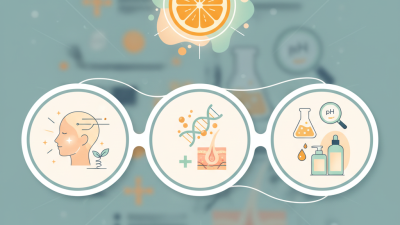
What is Multi Vitamin Benefits for Health and Wellness?
Multi vitamins play a crucial role in promoting health and wellness. They provide essential nutrients that our bodies need for optimal functioning. Many people struggle to get these nutrients from food alone. Busy lifestyles often lead to poor dietary choices. This is where multi vitamins can bridge the gap.
Research shows that multi vitamins can support immune health, enhance energy levels, and improve overall well-being. They contain vitamins A, C, D, E, and various B vitamins. Each of these contributes significantly to different bodily functions. However, it's important to choose high-quality multi vitamins. Not all products on the market offer the same benefits. Some might contain fillers or low-quality ingredients, which can diminish their effectiveness.
While multi vitamins can enhance health, they shouldn’t replace a balanced diet. Relying solely on supplements may lead to nutritional imbalances. It's crucial to consult healthcare professionals before starting any new regimen. They can provide personalized advice based on individual health needs. Reflecting on our approach to nutrition can lead to better health outcomes.

Understanding the Definition of Multivitamins and Their Composition
Multivitamins are supplements designed to fill nutritional gaps in our diets. They typically contain vitamins A, C, D, E, and various B vitamins, along with minerals like magnesium and zinc. According to the Council for Responsible Nutrition, about 77% of Americans take dietary supplements, highlighting the growing emphasis on health and nutrition.
Research published in the Journal of Nutrition suggests that multivitamins may play a role in improving overall health. For example, a study found that women taking multivitamins had improved immune function compared to those who did not. These tiny pills attempt to bridge the gap between nutritional intake and recommended dietary allowances. However, they are not a substitute for a well-rounded diet.
While multivitamins can be beneficial, experts caution against over-reliance. A significant percentage of the population may consume excess vitamins and minerals, leading to potential health issues. It's crucial to consult healthcare professionals before beginning any supplement regimen. Awareness of what is in each tablet is vital for safety and effectiveness.
What is Multi Vitamin Benefits for Health and Wellness?
| Nutrient |
Benefit |
Source |
| Vitamin A |
Supports immune function and vision |
Carrots, sweet potatoes |
| Vitamin C |
Antioxidant support and skin health |
Citrus fruits, strawberries |
| Vitamin D |
Bone health and immune support |
Sunlight, fortified dairy |
| Vitamin E |
Antioxidant properties and skin health |
Nuts, seeds, spinach |
| B Vitamins |
Energy production and brain function |
Whole grains, meats |
Exploring the Key Health Benefits of Multivitamins for Daily Wellness
Multivitamins can play a vital role in daily wellness. These supplements offer a range of essential nutrients that may be missing from our diets. For many people, busy schedules make it hard to consume balanced meals consistently. Multivitamins can fill these gaps. They provide vitamins A, C, D, and a host of B vitamins, which support various bodily functions.
Research indicates that multivitamins may enhance energy levels and improve mood. They can also boost immunity, helping the body fend off common illnesses. Regular intake may lead to better cognitive function, especially in aging adults. Yet, not all multivitamins are created equal. It's essential to choose quality products that meet specific health needs.
However, it’s worth noting that not everyone needs a multivitamin. A well-balanced diet can often provide necessary nutrients. Over-reliance on supplements may lead some to neglect healthy eating habits. Reflecting on personal health and dietary choices is essential before committing to a multivitamin regimen. Each individual’s needs are different, and self-assessment is vital.
Identifying Nutritional Deficiencies Addressed by Multivitamins
Multivitamins play a crucial role in addressing common nutritional deficiencies. Many people, regardless of their diet, struggle to get enough essential nutrients. Vitamins like A, C, D, and several B vitamins are often lacking. For example, vitamin D deficiency is widespread, particularly in regions with limited sunlight. It affects bone health and immune function.
Iron is another nutrient deficiency many face. Vital for energy production, low iron levels can lead to fatigue and decreased cognitive performance. Women are particularly at risk during menstruation. Similarly, magnesium helps with muscle function and mental clarity. However, many diets lack adequate magnesium. This can lead to cramps and stress.
Multivitamins can help bridge these gaps. They can provide a wide array of essential nutrients in one convenient form. But not all multivitamins are created equal. Therefore, it's essential to choose a quality product. Pay attention to ingredient sources and potency. Consulting with a healthcare professional is beneficial. They can advise on specific needs based on dietary habits and health goals.
Examining the Impact of Multivitamins on Immune System Function
Multivitamins have gained attention for their potential benefits to health, particularly in supporting immune system function. Research indicates that a well-balanced intake of essential vitamins and minerals can significantly enhance immune responses. For instance, a report from the National Institutes of Health highlights that Vitamin C and Zinc play critical roles in modulating immune activity.
Recent studies show that multivitamins can bridge nutritional gaps. A survey by the Council for Responsible Nutrition found that approximately 70% of American adults do not consume the recommended daily intake of fruits and vegetables. This deficiency can compromise immune resilience. Regular multivitamin use may provide essential nutrients that support white blood cell activity and the body's ability to combat infections.
However, not all multivitamins are created equal. Quality and formulation vary widely. Some may not contain adequate levels of vital nutrients or bioavailable forms of vitamins. There's a growing call for consumers to examine product labels closely. While multivitamins can offer benefits, they should complement a diet rich in whole foods rather than serve as a replacement. Understanding both the strengths and limitations of multivitamins is crucial for informed health decisions.
Assessing the Safety and Recommended Dosage of Multivitamins for Adults
Multivitamins can offer various health benefits, but their safety and dosage are crucial. Adults often rely on these supplements to fill nutritional gaps. Knowing the right dosage can be a challenge. Consulting a healthcare provider is essential before starting any regimen.
It's important to follow recommended guidelines on multivitamin intake. Overconsumption can lead to unintended side effects. For instance, excessive iron can cause digestive issues. The tolerance for certain vitamins varies among individuals. Some may need more vitamin D, while others might require less.
Tips for taking multivitamins:
1. Choose a quality product from a reliable source.
2. Take them with meals to improve absorption.
3. Monitor your body's response over time.
Reflecting on multivitamin use is necessary. Regular check-ins can reveal if adjustments are needed. Are specific vitamins particularly beneficial for you? Balancing nutrition should always be a personal journey, guided by professional advice.