How to Increase Calcium Intake for Better Bone Health?
Calcium plays a crucial role in maintaining strong bones. Dr. Emily Johnson, a renowned nutritionist, said, "Adequate calcium intake is essential for optimal bone health." Many individuals struggle to meet their daily calcium needs, which can lead to long-term health issues, such as osteoporosis.
A diet deficient in calcium often results from a lack of awareness about food sources rich in this mineral. Dairy products like milk and cheese are well-known, but there are also plant-based options. Foods like kale, almonds, and fortified plant milks can contribute to calcium intake.
While supplements are available, they aren't a substitute for natural food sources. Over-reliance on pills can compromise your diet quality. It's important to take a moment to reflect on your daily habits. Are you getting enough calcium? What changes can you make to improve your bone health? These are vital questions to consider as you work towards better health.

Understanding the Importance of Calcium for Bone Health
Calcium plays a crucial role in maintaining bone health. According to the National Institutes of Health, around 99% of the body's calcium is found in bones and teeth. This mineral helps in bone density and strength. A deficiency can lead to conditions like osteoporosis, where bones become weak and brittle. Research indicates that women are at higher risk post-menopause due to hormonal changes affecting calcium absorption.
Inadequate calcium intake is common. The recommended daily allowance for adults is about 1,000 mg, increasing to 1,200 mg for women over 50. However, studies show that many people consume less than 700 mg daily. This gap raises concerns about long-term bone health. Increasing dietary calcium can be done through various means, including dairy products, leafy greens, and fortified foods.
It's essential to reflect on our choices regarding calcium sources. Many diets are low in calcium-rich foods. People often overlook their calcium intake, focusing instead on other nutrients. This misstep can have lasting consequences on bone health. Mindful eating and attention to calcium-rich options can improve overall well-being.
Identifying Dietary Sources of Calcium: Foods to Include
Calcium is vital for strong bones and overall health. Many people, however, do not get enough calcium in their diets. According to the National Institutes of Health, adults need about 1,000 mg of calcium daily. To achieve this, focusing on dietary sources is essential.
Dairy products are well-known sources of calcium. One cup of milk offers around 300 mg. For those who are lactose intolerant, alternatives like fortified almond or soy milk can provide similar benefits. Leafy greens also play a role. Kale and bok choy contain significant amounts of calcium, yet many overlook them. Interestingly, a recent study noted that dark green vegetables can offer around 200 mg per serving.
Nuts and seeds are often underestimated. Almonds, for instance, contain about 76 mg of calcium in just one ounce. Meanwhile, sesame seeds include about 280 mg in a couple of tablespoons. Many snack on nuts, but few consider their calcium contribution. This gap highlights the need for awareness in food choices. Balancing these sources can be challenging, but it is crucial for better bone health.
How to Increase Calcium Intake for Better Bone Health?
| Food Source |
Calcium Content (mg per 100g) |
Remarks |
| Milk (whole) |
113 |
Rich source of calcium and other nutrients. |
| Yogurt |
110 |
Contains probiotics beneficial for digestion. |
| Cheddar Cheese |
721 |
High in calcium and protein. |
| Almonds |
264 |
Good snack option with healthy fats. |
| Sardines (canned with bones) |
382 |
Also rich in omega-3 fatty acids. |
| Tofu (calcium-set) |
350 |
Great plant-based calcium source. |
| Broccoli |
47 |
Contains other vitamins and minerals. |
| Fortified Orange Juice |
200 |
Convenient way to boost calcium intake. |
Recommended Daily Calcium Intake for Different Age Groups
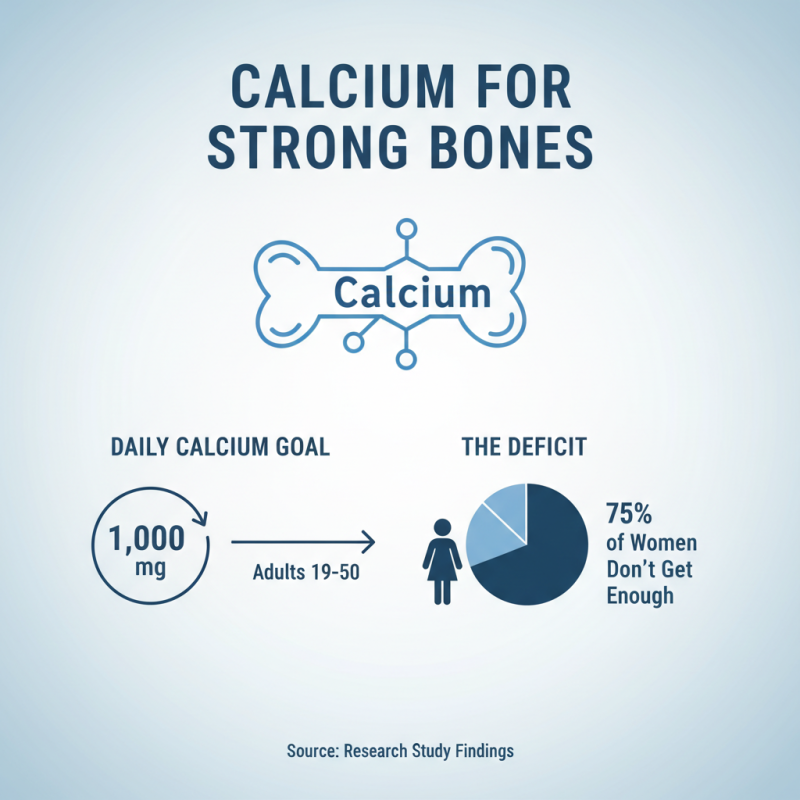
Calcium is vital for strong bones. The recommended daily intake varies by age. For adults aged 19 to 50, the intake should be around 1,000 mg per day. Yet research shows many fail to meet this requirement. A study found that nearly 75% of women do not get enough calcium.
For children and adolescents, the needs are higher. Those aged 9 to 18 require about 1,300 mg daily. This period is crucial for bone development. Unfortunately, many kids opt for sugary drinks over milk or fortified alternatives. This choice can lead to deficiencies that affect their growth.
Older adults, especially women post-menopause, need about 1,200 mg daily. The risk of osteoporosis increases with age. Data from the National Osteoporosis Foundation suggests that one in two women will suffer from fractures related to osteoporosis. Failing to meet calcium needs can have serious consequences. It's essential to examine daily habits. Are you consuming enough calcium-rich foods?
Supplements and Fortified Foods: Boosting Your Calcium Levels
Calcium is essential for strong bones. Many people struggle to meet their daily needs. According to the National Institutes of Health, adults aged 19-50 should aim for 1,000 mg of calcium daily. Unfortunately, studies show that about 43% of Americans do not meet these recommendations. This gap is concerning, as low calcium intake can lead to serious bone health issues.
Supplements can be a practical solution. Calcium citrate and calcium carbonate are popular options. They can help fill the dietary gap. However, it's important not to rely solely on supplements. Foods rich in calcium should be prioritized. Fortified foods like plant-based milks, orange juice, and cereals are great alternatives. The U.S. Department of Agriculture reports that fortified foods can provide up to 300 mg of calcium per serving. This is significant for those who are lactose intolerant or follow a vegan diet.
Yet, the reliance on fortified foods can be misleading. Not all fortified products contain significant amounts of calcium. Some may even have added sugars that pose other health risks. Reading nutrition labels is essential for making informed choices. It's crucial to ensure these foods genuinely contribute to your recommended intake. A balanced diet combined with a strategic approach to supplementation can foster better bone health over time.
Lifestyle Changes to Enhance Calcium Absorption and Retention
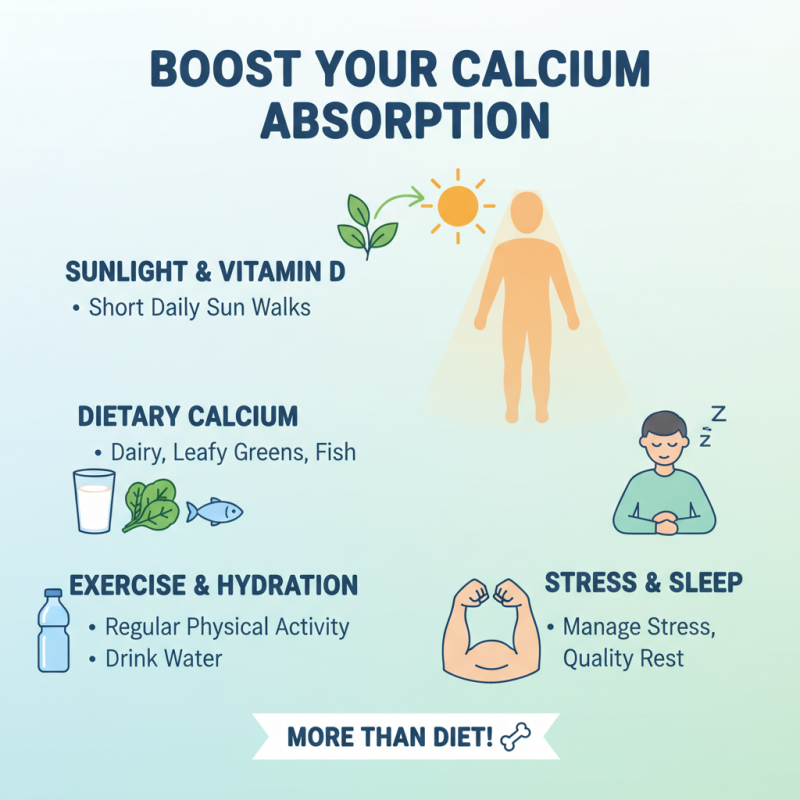
Calcium absorption relies on more than just dietary intake. Certain lifestyle changes can significantly enhance how your body utilizes this essential mineral. For instance, spending time outdoors helps. Sunlight boosts vitamin D, which is crucial for calcium absorption. Aim for brief daily walks in the sun. However, be mindful to avoid sunburn.
Diet isn't everything. Smoking can hinder calcium absorption. It’s a habit that many find hard to break. Reducing or quitting smoking can improve your bone health. Hydration matters too. Drinking enough water aids in nutrient transportation. Forgetting to hydrate can impact calcium levels.
Stress plays a role, too. Chronic stress can trigger hormonal changes, affecting bone health. Engaging in relaxation techniques can help. Practices like yoga or meditation may alleviate stress. Even long-term habits, such as sitting for extended periods, can be detrimental. Consider incorporating more movement into your daily routine.