10 Essential Tips to Increase Your Calcium Intake for Better Health
Calcium is a vital mineral that plays a crucial role in maintaining strong bones and overall health. Despite its importance, many individuals do not meet their daily calcium requirements, which can lead to health issues such as osteoporosis and weakened immune function. With a variety of sources available, increasing your calcium intake can be both simple and enjoyable. By incorporating certain foods and adopting healthy eating habits, you can easily boost your calcium levels and improve your well-being.
In this article, we will explore ten essential tips that can help you increase your calcium intake effectively. These tips are designed to be practical and easy to implement, ensuring that you can enhance your diet without significant changes to your routine. Whether you are a dairy lover or prefer plant-based alternatives, there are plenty of options available to suit your lifestyle and preferences. Join us as we delve into strategies that not only support your calcium requirements but also contribute to your overall health.

Understanding the Importance of Calcium for Overall Health
Calcium is a crucial mineral that plays a vital role in maintaining overall health, particularly in promoting strong bones and teeth. It is essential for the proper functioning of various bodily systems, including the muscular and cardiovascular systems. An adequate intake of calcium throughout life is particularly important during childhood, adolescence, and early adulthood when the body is building bone mass. Insufficient calcium intake during these critical periods can lead to weakened bones and an increased risk of osteoporosis later in life.
In addition to its benefits for bone health, calcium is involved in several other bodily functions. It helps in blood clotting, ensures proper nerve transmission, and plays a role in muscle contraction. Moreover, calcium aids in the release of hormones and enzymes that are necessary for various physiological processes. Since the body cannot produce calcium on its own, it is important to obtain it from dietary sources. Prioritizing calcium-rich foods such as dairy products, leafy green vegetables, and fortified foods is essential for maintaining adequate levels of this important mineral, thereby supporting overall health and wellness.
Calcium Intake Recommendations by Age Group
Identifying Calcium-Rich Foods for Daily Consumption
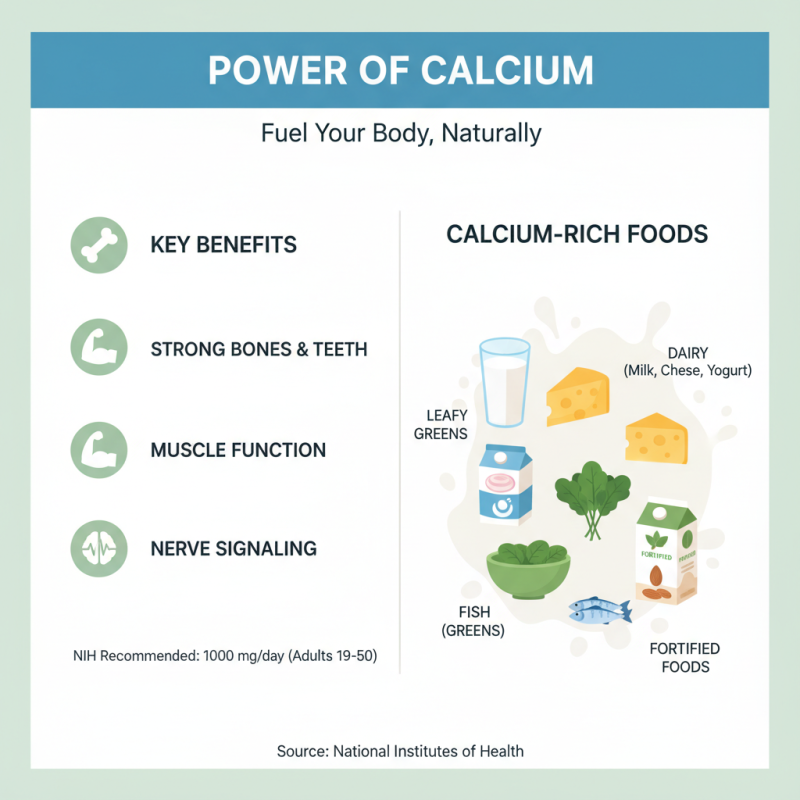
To ensure optimal health, it's crucial to include calcium-rich foods in your daily diet. Calcium is essential not only for maintaining strong bones and teeth but also for muscle function and nerve signaling. According to the National Institutes of Health, adults aged 19-50 should aim for 1,000 mg of calcium per day, a goal that can be achieved through a variety of dietary sources.
When considering calcium-rich foods, dairy products like milk, yogurt, and cheese are often the first that come to mind, as they provide an abundant source of this vital mineral. However, for those who are lactose intolerant or prefer plant-based diets, alternatives such as fortified plant milks, leafy greens like kale and broccoli, and nuts like almonds can be excellent options. Studies indicate that individuals who consume sufficient calcium from diverse sources tend to experience better bone health and lower risks of osteoporosis.
To boost your calcium intake effectively, here are some practical tips. Incorporate a serving of dairy with each meal or opt for a fortified plant-based alternative at breakfast. Snacking on almonds or adding chia seeds to smoothies not only enhances calcium consumption but also introduces other beneficial nutrients. Furthermore, consider using herbs such as parsley and basil in your cooking, as they are surprisingly high in calcium. With these approaches, you can easily enrich your diet with the calcium necessary for long-term health.
Incorporating Dairy Alternatives for Non-Dairy Calcium Sources
Incorporating dairy alternatives into your diet is an excellent way to increase your calcium intake, especially for those who are lactose intolerant or follow a vegan lifestyle. Many plant-based options are rich in calcium, making them perfect substitutes for traditional dairy products. Almond milk, for example, can be fortified with calcium and provides a light, nutty flavor. Similarly, fortified soy milk is not only high in protein but also contains significant levels of calcium and other essential nutrients.
When looking to boost your calcium intake through non-dairy sources, consider adding leafy greens such as kale and collard greens to your meals. These greens are excellent sources of calcium while also offering a wealth of vitamins and minerals. Another great option is to incorporate tofu into your diet, particularly varieties that are set with calcium sulfate. This versatile ingredient can be used in a variety of dishes, from stir-fries to smoothies.
Experimenting with seeds such as chia and sesame can also enhance your calcium intake. Sprinkling these seeds on your breakfast cereal, yogurt, or salads can provide an added boost in calcium along with healthy fats and fiber. Additionally, snacks like almonds and figs can serve as both a tasty treat and a calcium-rich addition to your diet. With these simple adjustments, you can easily maintain adequate calcium levels while enjoying a diverse range of flavors in your meals.
10 Essential Tips to Increase Your Calcium Intake for Better Health - Incorporating Dairy Alternatives for Non-Dairy Calcium Sources
| Tip |
Source |
Calcium Content (mg per serving) |
Notes |
| Include fortified plant-based milk |
Almond, Soy, Oat |
300 |
Choose calcium-fortified brands. |
| Add leafy greens to meals |
Kale, Collard greens, Bok choy |
200 |
Excellent source of calcium. |
| Snack on nuts and seeds |
Almonds, Chia seeds |
250 |
Protein boost along with calcium. |
| Use calcium-rich tofu |
Firm Tofu (calcium-set) |
200 |
Versatile for many dishes. |
| Incorporate white beans in recipes |
Navy beans, Great northern beans |
150 |
Great for soups and stews. |
| Opt for fortified orange juice |
Calcium-fortified |
300 |
Good start to the day. |
| Explore fortified cereals |
Various brands |
100-200 |
Check labels for calcium content. |
| Add dried figs to snacks |
Dried figs |
100 |
Sweet and nutritious option. |
| Use nutritional yeast in cooking |
Nutritional yeast |
120 |
Cheesy flavor without dairy. |
| Feast on salmon with bones |
Canned salmon |
180 |
High in omega-3 fatty acids. |
Effective Ways to Enhance Calcium Absorption in the Body
Calcium is a vital mineral that plays a crucial role in maintaining strong bones and overall health. To enhance calcium absorption in the body, it is essential to consider both dietary sources and complementary factors that facilitate its uptake.
First and foremost, pairing calcium-rich foods with vitamin D can significantly boost absorption. Vitamin D helps the intestines efficiently absorb calcium, which is why integrating sources such as fatty fish, egg yolks, and fortified foods into your diet is beneficial.
In addition to vitamin D, addressing dietary choices is paramount. Consuming calcium from dairy products, leafy greens, and fortified plant-based alternatives is a good start. However, the presence of certain substances can inhibit absorption. For instance, excessive intake of caffeine and high-sodium diets may interfere with calcium retention. To counteract this,
limiting these substances while ensuring a balanced intake of magnesium and phosphorus can support optimal calcium utilization. Moreover, maintaining a healthy gut flora through probiotics can further aid in nutrient absorption, including calcium. By incorporating these strategies, you can enhance your body’s ability to absorb calcium effectively and promote better health.
Utilizing Supplements: When and How to Consider Calcium Pills
When considering calcium supplements, it is essential to assess your dietary intake and health needs. Many people struggle to meet their calcium requirements through food alone, leading to potential deficiencies. Supplements can be a practical solution, but it’s crucial to consult with a healthcare provider to determine the right dosage and form for your needs. They can help identify if you truly need supplements based on your age, lifestyle, and existing health conditions.
Proper timing and dosage are vital for maximizing the benefits of calcium pills. It's generally recommended to take calcium supplements in smaller doses throughout the day, as the body absorbs calcium more efficiently this way. Additionally, pairing calcium with vitamin D can enhance absorption, making it more effective when consumed together. Monitoring your total calcium intake from both food and supplements is important to avoid excessive consumption, which can lead to adverse health effects.