How to Choose the Right Vitamin B12 Tablets for Your Health Needs?
Vitamin B12 is essential for optimal health, yet many people are unaware of its importance. A report published by the National Institutes of Health states that nearly 15% of adults are deficient in this vital nutrient. Vitamin B12 Tablets provide a convenient way to supplement your diet, especially for those following plant-based diets.
The choice of the right Vitamin B12 Tablets can be overwhelming. With various formulations available, consumers often feel confused. Some tablets contain cyanocobalamin, while others use methylcobalamin. Each form offers different benefits. A study in the journal Nutrients revealed that methylcobalamin may be more effective in raising serum levels for some individuals.
Understanding your health needs is crucial when selecting Vitamin B12 Tablets. Not all supplements are created equal. Therefore, reviewing ingredient quality and bioavailability is key. Consideration of personal health conditions is necessary. Make informed decisions to support your well-being with the right choice.

Understanding Vitamin B12: Importance and Health Benefits
Vitamin B12 plays a crucial role in many bodily functions. It is vital for red blood cell formation, nerve function, and DNA synthesis. A deficiency can lead to serious health issues, including anemia and neurological disorders. According to a report by the National Institutes of Health, approximately 6% of adults aged 60 and older are deficient in vitamin B12. This underscores the importance of monitoring B12 levels, especially for older populations.
Many people may not realize that absorption of B12 can decline with age or due to certain health conditions. For instance, those with gastrointestinal disorders might struggle to absorb this essential vitamin effectively. Furthermore, strict vegetarians and vegans are at higher risk of deficiency because B12 is primarily found in animal products. It is recommended that these groups consider B12 supplementation to prevent adverse health effects.
Research shows that adequate B12 intake supports cognitive health. A study in the American Journal of Clinical Nutrition found a link between high B12 levels and improved memory performance in older adults. However, some individuals may take excessive supplements without proper medical guidance, risking toxicity. It's essential to assess your needs carefully and consult a healthcare provider before starting any vitamin regimen.
Types of Vitamin B12 Tablets: Choosing the Right Form
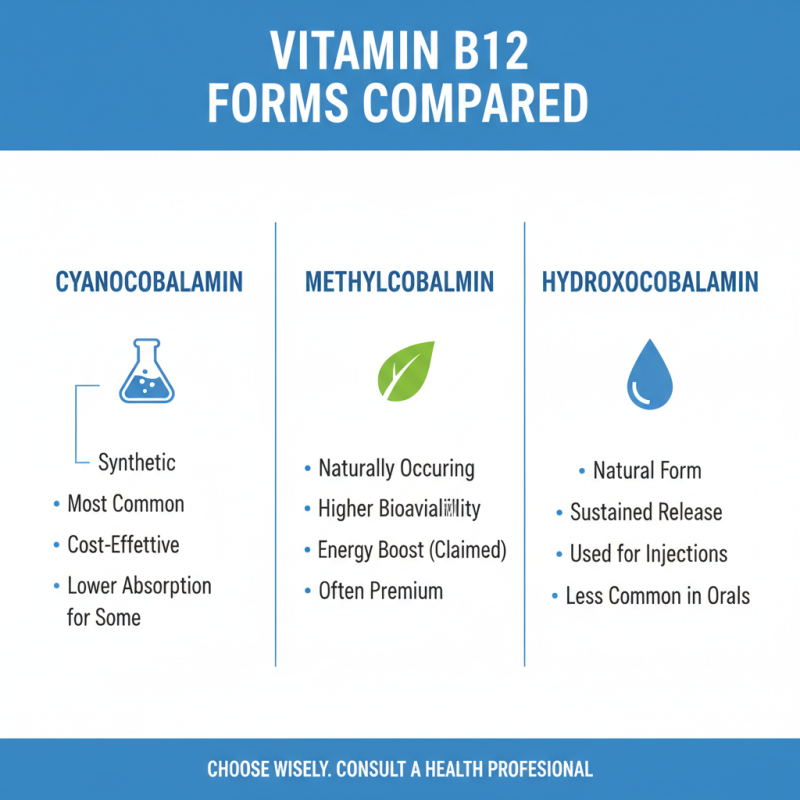
When selecting vitamin B12 tablets, it’s essential to understand the different forms available. The most common types include cyanocobalamin, methylcobalamin, and hydroxocobalamin. Cyanocobalamin is synthetic and widely used. It’s cost-effective but may not be well-absorbed by everyone. Methylcobalamin, a naturally occurring form, is thought to offer better bioavailability. Some claim it boosts energy levels more effectively.
Another option is hydroxocobalamin, typically found in injections. It’s often used for treating severe deficiencies. However, this may not be practical for daily use. Each type has its pros and cons. Choosing the right one can be tricky and may require some experimentation.
Consider your specific health needs. People with absorption issues might benefit from a sublingual form. Tablets can vary in dosage as well, from lower amounts for maintenance to higher doses for deficiencies. Reflect on how your body responds. Tracking your energy and mood can guide your choices.
Factors to Consider When Selecting Vitamin B12 Supplements
When selecting Vitamin B12 tablets, a few factors matter. The type of B12 is essential. Methylcobalamin and cyanocobalamin are popular forms. Methylcobalamin is often touted for its benefits. However, cyanocobalamin is more stable. Understanding your body’s needs could help.
Dosage is another key consideration. Many sources recommend different levels. Some people need higher doses due to health conditions. Others may require less. Assessing your personal situation can be tricky. Always consult a healthcare professional if unsure.
Look at the ingredients list carefully. Some tablets contain additives or allergens. It’s wise to choose the purest forms available. The source of B12 also matters. Is it synthetic or derived from natural sources? This can impact how the body absorbs it. There’s no one-size-fits-all solution here. Each choice requires a bit of reflection on what works best for you.
Vitamin B12 Supplement Preferences
This chart displays the popularity of different types of Vitamin B12 supplements among consumers. Methylcobalamin is the most favored option, followed by Cyanocobalamin and Hydroxocobalamin, while Adensylcobalamin has the least popularity.
Dosage Recommendations for Vitamin B12 Tablets
When considering vitamin B12 tablets, dosage is key. The recommended daily intake varies based on age and dietary needs. Adults typically require around 2.4 micrograms per day. For pregnant or breastfeeding women, the requirement increases to about 2.6 to 2.8 micrograms daily. It's essential to assess your specific health needs before selecting a dosage.
Some individuals may need higher doses due to absorption issues. This can be due to age or digestive health. If you're a vegan or vegetarian, you might also need more B12, as dietary sources are limited. In such cases, higher dosages might be suggested for better absorption. However, taking too much can lead to side effects, so balance is crucial.
Consulting a healthcare provider can help clarify the right amount for you. It's not uncommon to feel overwhelmed by all the options. Reflecting on your dietary habits and health goals can aid in the decision. Don't hesitate to experiment a bit, but keep track of how different dosages affect your overall well-being.
Potential Side Effects and Interactions of Vitamin B12 Supplements
Vitamin B12 is essential for health, but supplements can cause side effects. Some people may experience mild discomfort, such as diarrhea or headache. Allergic reactions are also possible, which may lead to itching or swelling. It's important to monitor your body's responses closely.
Tips: Start with a low dose. This helps your body adapt. Gradually increase if needed. Keep in mind the balance between benefits and potential risks.
Interactions with other medications are a concern. B12 can affect how certain drugs work. For instance, some antibiotics or antacids may cause issues. Always consult a healthcare provider before starting any supplement. This ensures safety and effectiveness in your regimen. Adjustments may be necessary based on personal health conditions.