Leave Your Message

How to Choose the Best Multi Vitamin for Your Health?

Choosing the best Multi Vitamin can significantly impact your overall health. With so many options available, it can be overwhelming. You might wonder which brands truly deliver on their promises. Many promise energy boosts and improved immunity. Yet, not all Multi Vitamins are created equal.

When searching for the right Multi Vitamin, consider your specific health needs. Look for essential vitamins, minerals, and trace elements. Some individuals may require additional components like omega-3s or probiotics. Understanding your personal health goals is critical.

It's important to note that quality matters. Some Multi Vitamins may contain fillers or synthetic ingredients. They might not absorb well in your body. So, research brand credibility before making your choice. A little extra effort can lead to better health outcomes in the long run.

How to Choose the Best Multi Vitamin for Your Health?

Understanding the Importance of Multivitamins for Health

How to Choose the Best Multi Vitamin for Your Health?

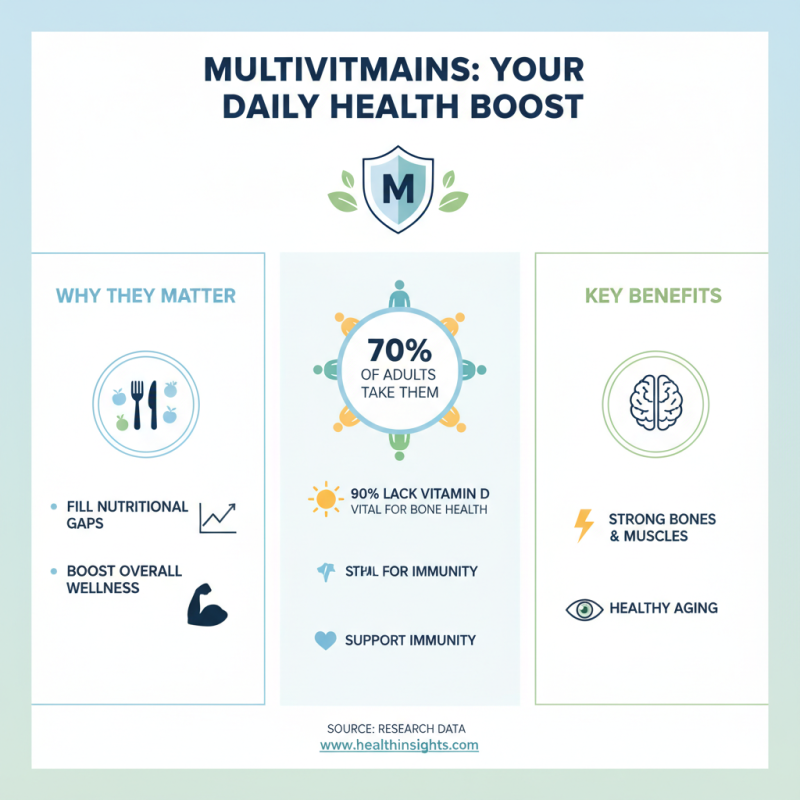
Multivitamins play a crucial role in maintaining overall health. Research shows that nearly 70% of adults take a multivitamin. This is primarily to fill nutritional gaps. Many people do not get enough essential vitamins and minerals from their diets. For instance, data indicates that around 90% of people lack adequate Vitamin D, which is vital for bone health.

The importance of multivitamins can sometimes be understated. They provide a convenient way to obtain nutrients. However, it’s essential to recognize that not all multivitamins are created equal. Some may contain insufficient amounts of key nutrients while others could have unnecessary additives. A report from the National Institutes of Health highlighted that some multivitamins may not meet daily requirements for certain groups. For example, elderly individuals often need more calcium and Vitamin B12, yet many multivitamins fall short.

Choosing the right multivitamin requires careful consideration. It’s about finding a product tailored to individual health needs. Ideally, a multivitamin should match personal dietary gaps. Many consumers focus solely on the price or brand, overlooking ingredient quality. Reflecting on one's lifestyle and dietary habits is essential. It’s a journey toward better health that may need reevaluating regularly.

Identifying Your Nutritional Needs Before Choosing a Multivitamin

Choosing the right multivitamin can be daunting. It begins with identifying your specific nutritional needs. Everyone’s body is different. Age, gender, and lifestyle all play a role in what nutrients you may lack.

Tips: Keep a food diary for a week. Track what you eat and note any gaps in vitamins or minerals. This exercise may reveal what you truly need. If you're often tired or stressed, you might be lacking certain B vitamins or magnesium.

Consulting with a healthcare professional can provide additional insights. They can perform tests to check nutrient levels. Don't assume you need all vitamins. Some may already be sufficient in your diet. Relying too heavily on supplements can lead to overdoses.

Tips: Consider your diet and daily activities. If you frequently consume fruits and vegetables, your vitamin C and fiber intake might be fine. But if you're often on the run, you may need a boost. Reflect regularly on your health and lifestyle changes. Adjust your multivitamin choice as needed.

Choosing the Best Multivitamin: Nutritional Needs Analysis

This bar chart illustrates the recommended daily intake for essential vitamins and minerals that you should consider when choosing a multivitamin. Each nutrient plays a crucial role in maintaining overall health, so understanding your individual nutritional needs is key to selecting the best multivitamin for your wellness journey.

Evaluating Ingredients: What to Look For in a Quality Multivitamin

Choosing the right multivitamin can be challenging. Ingredient evaluation is crucial. A quality multivitamin should contain essential vitamins and minerals. Look for key components like Vitamin D, zinc, and magnesium. Research indicates that many adults lack these nutrients. For instance, studies show 42% of adults are deficient in Vitamin D.

When examining supplements, scrutinize the label closely. Not all multivitamins are created equal. Some contain synthetic additives or fillers. Transparency in ingredient sourcing is vital. Choose products that disclose their ingredient origins. This ensures you’re getting high-quality nutrients. Oversights in ingredient selection can lead to unwanted side effects.

A balanced formula matters. Consider the ratio of nutrients. Too much of one vitamin can hinder absorption of others. For example, excessive calcium can affect iron absorption. The percentage of daily value can also be misleading. Many multivitamins provide overly optimistic claims. Staying informed helps debunk these myths. Ensuring safety and efficacy means checking for third-party testing. This adds an extra layer of confidence in your selection process.

How to Choose the Best Multi Vitamin for Your Health? - Evaluating Ingredients: What to Look For in a Quality Multivitamin

Nutrient Benefits Recommended Daily Value (DV) Sources
Vitamin A Supports eye health and immune function 900 mcg Carrots, sweet potatoes, spinach
Vitamin C Antioxidant, supports skin health and immune system 90 mg Citrus fruits, strawberries, bell peppers
Vitamin D Supports bone health and immune function 20 mcg Fatty fish, fortified dairy products
Vitamin E Antioxidant, supports skin health 15 mg Nuts, seeds, spinach
Vitamin B12 Supports nerve function and red blood cell production 2.4 mcg Meat, fish, dairy products
Folate Important for DNA synthesis and cell division 400 mcg Dark leafy greens, legumes, nuts
Calcium Essential for bone health 1000 mg Dairy, fortified plant milks, tofu
Magnesium Supports muscle and nerve function, energy production 400-420 mg Nuts, seeds, whole grains

Considering Age, Gender, and Lifestyle Factors in Selection

When choosing a multivitamin, age, gender, and lifestyle matter significantly. Research shows that nutrient needs change as we age. For instance, adults over 50 require more vitamin B12. This vitamin is crucial for brain health. Women often need extra iron, especially during childbearing years. Men, on the other hand, may benefit from higher zinc levels, which support prostate health.

Lifestyle plays a key role as well. Active individuals may need more vitamin D and calcium for bone health. In contrast, those with sedentary habits might not require as many nutrients. Studies found that around 50% of adults do not meet their daily vitamin D intake. This gap emphasizes the importance of tailored selections. Additionally, stress levels can affect nutrient absorption. High stress can deplete magnesium, impacting overall health.

It’s vital to consult health professionals before starting any supplement. Some people might feel overwhelmed by all the options. The reality is that not everyone needs a multivitamin. A balanced diet can be sufficient. It’s worth reflecting on personal health needs rather than following generic recommendations.

Reading Labels and Certifications: Ensuring Product Safety and Efficacy

How to Choose the Best Multi Vitamin for Your Health?

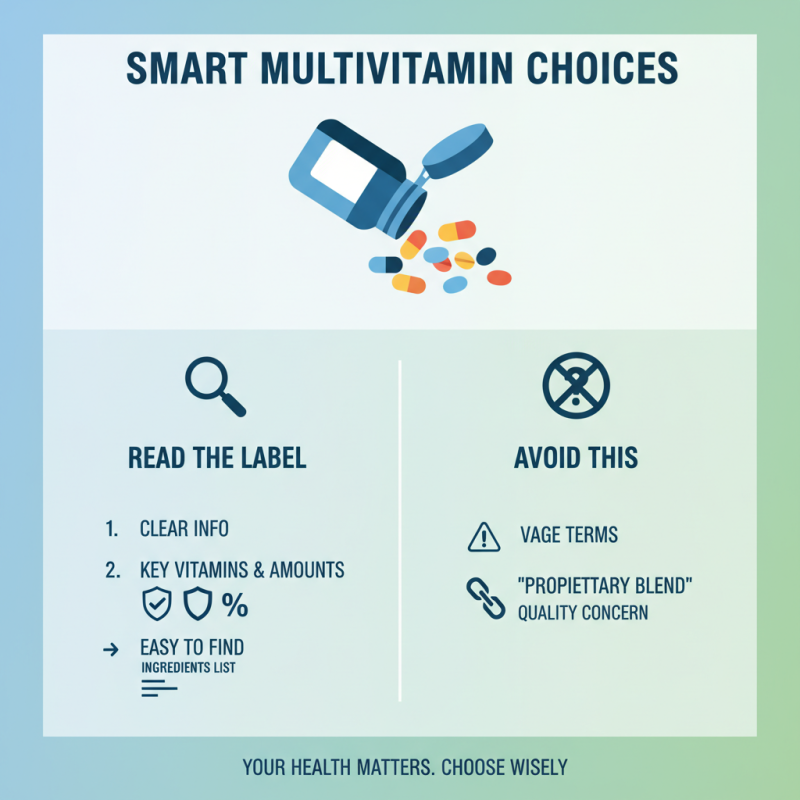
When selecting a multivitamin, reading labels is crucial. Each ingredient plays a role in your health. Look for clear and concise information. Key vitamins and their amounts should be easy to find. Avoid products with vague terms like "proprietary blend." These can hide low-quality ingredients.

Certifications also provide insight into safety. Look for seals from trusted organizations. These indicate the product has been tested for potency and purity. However, even with certification, some products may not meet your needs. Reflect on your specific health goals. Consider dietary restrictions or allergies.

Check for fillers and artificial additives. Sometimes, a product looks appealing but is packed with unnecessary ingredients. Assess your own diet. Supplements are not replacements for a balanced diet. Ensure you choose wisely. Despite what marketing may suggest, not all multivitamins are created equal. Your health deserves careful consideration and thoughtful choices.