How to Choose the Right Niacin and Vitamin B for Health?
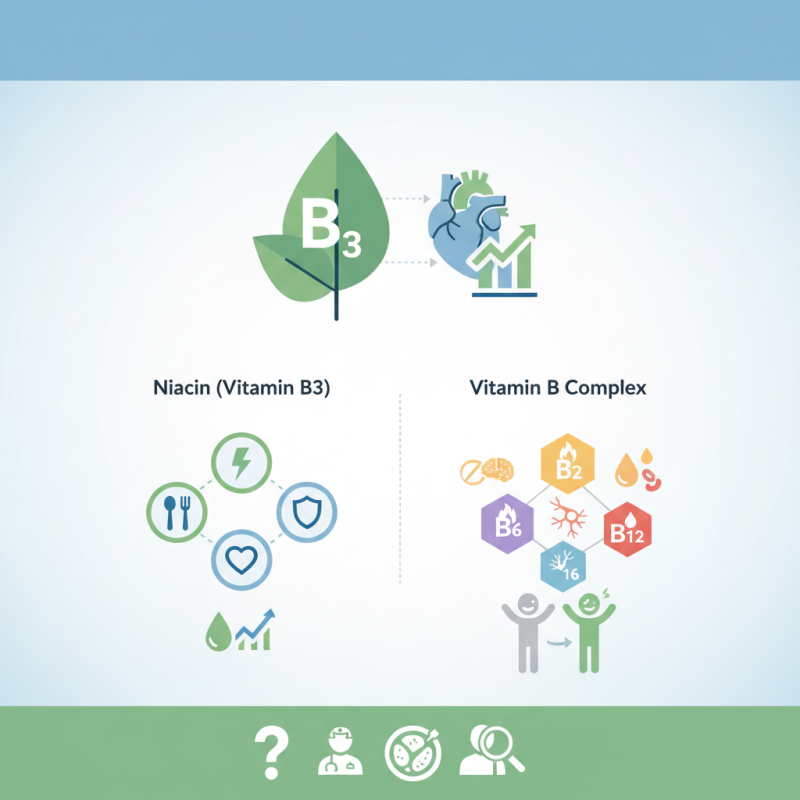
Choosing the right niacin and vitamin B can significantly impact your health. These nutrients play vital roles in energy production and overall well-being. Niacin, also known as vitamin B3, is essential for converting food into energy. It supports heart health and improves cholesterol levels.
Vitamin B comes in various forms, including B1, B2, B6, and B12. Each plays unique roles in maintaining the body's functions. Choosing the right type is crucial. Many people lack these vitamins in their diet. This deficiency can lead to fatigue, mood changes, and cognitive issues.
It’s important to consult health professionals before making any changes. Not everyone needs supplements. Some may find enough niacin and vitamin B through a balanced diet. Determining your specific needs requires careful consideration and reflection.
Understanding Niacin and Its Health Benefits
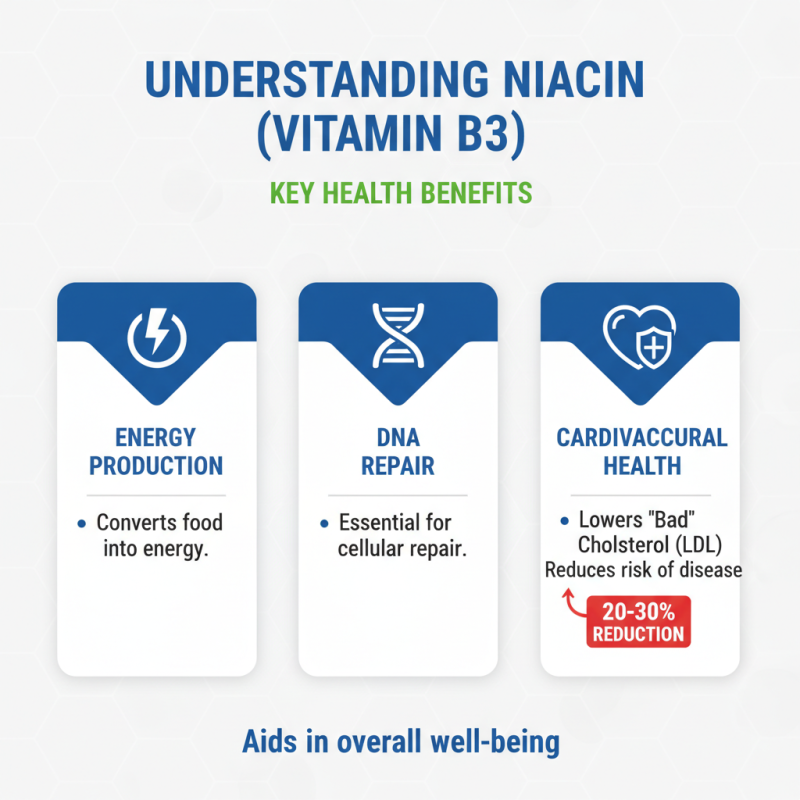
Niacin, also known as Vitamin B3, plays a crucial role in our overall health. It is vital for energy production, DNA repair, and the regulation of cholesterol levels. Studies show that adequate niacin intake can lower bad cholesterol by 20% to 30%. This vitamin is essential for maintaining heart health and reducing the risk of cardiovascular disease.
A thorough Understanding of niacin's benefits reveals its importance in mental health. Research indicates that low levels of niacin are linked to cognitive decline. Supplementation has shown promise in enhancing brain function. However, too much niacin can lead to side effects like flushing or liver damage. Balancing the right amount is key.
Despite its benefits, many people overlook niacin-rich foods. Sources include lean meats, fish, nuts, and grains. Often, modern diets lack these foods. This gap raises concerns about deficiencies. Consulting a healthcare professional is wise when considering niacin or vitamin B supplements. They can provide tailored recommendations based on individual health needs.
Different Forms of Niacin: Which One to Choose?
When choosing niacin, it’s crucial to understand the different forms available. Niacin comes mainly in two forms: nicotinic acid and niacinamide. Nicotinic acid is known for its ability to improve cholesterol levels. Studies indicate it can lower LDL cholesterol by up to 25% and raise HDL cholesterol by 15%. This makes it significant in cardiovascular health management. However, it can cause flushing, which some users find uncomfortable.
On the other hand, niacinamide, or nicotinamide, does not lead to flushing. It is often used in skincare for its benefits, improving skin texture and reducing inflammation. The body can convert niacin to niacinamide as needed, making it versatile. Research shows that niacinamide can boost the skin's barrier function, crucial for overall skin health.
When considering which form to use, evaluate your health goals. If cholesterol management is a priority, nicotinic acid might be more beneficial. If you seek skin health improvements, niacinamide could be the answer. Understanding these differences is vital for making an informed choice. Always consult healthcare professionals before starting any supplementation. Individual needs vary, and a tailored approach is best.
The Role of Vitamin B in Overall Health and Wellness
Vitamin B is vital for overall health and wellness. It consists of several different types, each playing a unique role in the body. For instance, B1 (thiamine) aids in energy production, while B12 is essential for nerve function and DNA synthesis. Research indicates that adequate levels of B vitamins can reduce the risk of chronic diseases. A study published in the American Journal of Clinical Nutrition found that individuals with higher B vitamin intake had a 30% lower risk of heart disease.
Despite their importance, many people do not get enough B vitamins. According to the Centers for Disease Control and Prevention (CDC), around 30% of the population is deficient in Vitamin B12. This deficiency can lead to fatigue, memory problems, and even long-term neurological issues. It's important to recognize that not all B vitamins are equal; their absorption rates can vary greatly depending on dietary sources and individual health conditions. Some individuals might need supplements to meet their needs.
Dietary sources may include leafy greens, nuts, and whole grains. However, nutritional bioavailability from food can be inconsistent. Factors such as age, absorption issues, or certain medications can affect how well your body utilizes these vitamins. Regular check-ups and tailored dietary guidance can ensure you maintain optimal levels for health. If you suspect a deficiency, consider consulting a healthcare professional for personalized advice.
Vitamin B Complex and Their Functions
This bar chart illustrates the health function score of various Vitamin B types based on their importance for overall health and wellness. Each vitamin has been rated on a scale from 1 to 10, highlighting their essential roles in energy metabolism, brain function, and cellular health.
Dosage Recommendations for Niacin and Vitamin B
When considering the proper dosage of niacin and vitamin B, it's essential to recognize individual health needs. The
recommended dietary allowance (RDA) for niacin varies by age and gender. For adult men, it is about 16 mg per day,
while for adult women, the recommendation is around 14 mg per day. Excessive intake can lead to side effects, including flushing and liver damage. According to the National Institutes of Health, doses above 35 mg per day should be supervised by a healthcare professional to avoid these adverse effects.
Vitamin B complex encompasses several vitamins crucial for energy metabolism and neurological function. The RDA for vitamin B6 is
1.3 mg daily for adults. For vitamin B12, the RDA is 2.4 mcg. Deficiencies can lead to serious health issues, including anemia and cognitive decline.
Studies indicate that a balanced intake of these vitamins can help reduce such risks, emphasizing the importance of varied dietary sources.
However, individual responses can differ. What works for one might not work for another, leading to challenges in achieving the right balance. An initial trial period with doses
should be monitored for any adverse effects. Regular consultations with a healthcare provider pave the way for safer adjustments. In this journey, prioritizing personal health data
and trends ensures a more tailored approach.
Potential Side Effects and Considerations When Supplementing
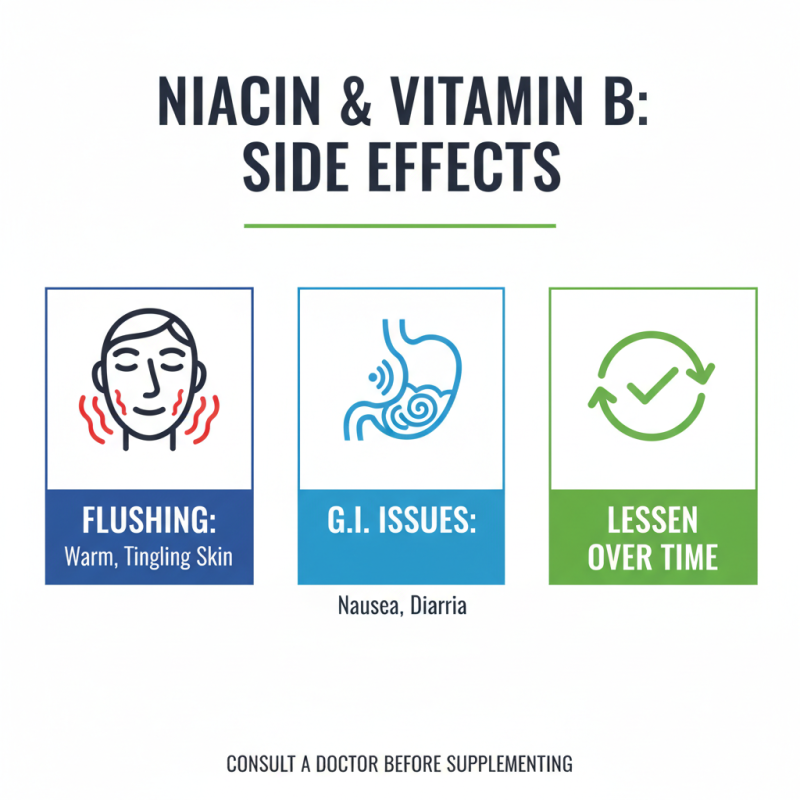
When considering niacin and vitamin B supplementation, potential side effects are crucial. Niacin can cause flushing, which leads to a warm, tingling feeling in the skin. Some users may experience gastrointestinal issues, such as nausea or diarrhea. These effects can diminish over time but may still be bothersome.
It's essential to approach supplementation with caution. Overdosing on niacin can lead to more severe problems, including liver damage or insulin resistance. It's wise to monitor how your body reacts and adjust dosages accordingly. Consulting with a healthcare provider can help address concerns and ensure safety.
Dietary sources should not be overlooked. Whole foods provide essential vitamins without the risk of high doses. Incorporating foods like fish, poultry, and leafy greens can improve overall health naturally. However, relying solely on supplements for nutrient intake may lead to imbalances. Regular check-ups can guide your approach and consider any individual health factors that could arise.