What are the Benefits of Vitamin K for Your Health?
Vitamin K is often overlooked, yet it plays a crucial role in our health. Dr. Sarah Johnson, a noted nutritionist, emphasizes, “Vitamin K is essential for bone and heart health.” Its significance transcends its humble reputation.
This vitamin is vital for blood clotting. Without it, minor injuries could lead to serious complications. Vitamin K also aids in maintaining healthy bones. Research shows it helps prevent fractures as we age.
However, many people do not get enough of this nutrient. Diets rich in leafy greens can boost intake. Yet, some individuals may ignore these foods, impacting their health. It’s essential to recognize the benefits of Vitamin K and strive for a balanced diet.
Sources of Vitamin K: Understanding Natural and Supplement Options
Vitamin K plays a crucial role in maintaining your health. This essential nutrient is vital for blood clotting and bone health. While many people may know about vitamin K, fewer understand where to find it.
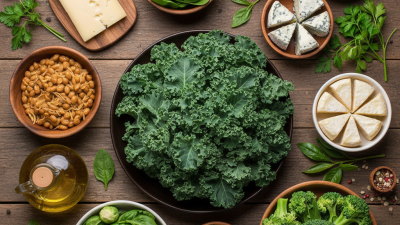
You can acquire vitamin K through various natural sources. Leafy greens, such as kale and spinach, are abundant in this vitamin. Other sources include broccoli and Brussels sprouts. Fermented foods, like natto, also provide a potent dose. For those who prefer supplements, options like vitamin K2 are available. However, supplementation should be approached with caution. It’s essential to consult a healthcare provider for personalized advice.
While discussing vitamin K sources, some might overlook the importance of a balanced diet. Relying solely on supplements may not yield optimal health benefits. Prioritize whole foods to enhance your nutrient intake. Remember, every individual's needs differ, and what works for one person may not suit another.
What are the Benefits of Vitamin K for Your Health? - Sources of Vitamin K: Understanding Natural and Supplement Options
| Benefit |
Description |
Natural Sources |
Supplement Options |
| Bone Health |
Vitamin K is essential for bone mineralization, helping to prevent fractures. |
Kale, Spinach, Broccoli |
Vitamin K2 capsules |
| Blood Clotting |
Crucial for the synthesis of proteins involved in blood coagulation. |
Brussels Sprouts, Natto, Green Lettuce |
Vitamin K1 dietary supplements |
| Heart Health |
Helps prevent arterial calcification and supports cardiovascular health. |
Avocado, Fish, Eggs |
Combined vitamin K supplements |
| Cancer Prevention |
Some studies suggest vitamin K may help reduce the risk of certain cancers. |
Asparagus, Seaweed, Swiss Chard |
Formulations with antioxidants and vitamin K |
The Role of Vitamin K in Bone Health and Maintenance
Vitamin K plays a crucial role in bone health and maintenance. It helps in the synthesis of proteins that are necessary for bone mineralization. Osteocalcin, a protein produced by osteoblasts, is dependent on vitamin K for its function. Without enough vitamin K, the bones may become weaker over time.
Research shows that vitamin K can reduce the risk of fractures. Studies indicate that higher vitamin K intake correlates with increased bone density. However, not everyone gets adequate amounts from diet alone. Leafy green vegetables, such as kale and spinach, are excellent sources. Yet, many people may not consume them regularly.
Moreover, some individuals might not absorb vitamin K effectively due to health conditions. This is often overlooked. It's essential to consider one’s overall diet and health status. Regular check-ups can help assess vitamin levels. Supplements may also be an option for those at risk. Maintaining proper vitamin K levels is vital for robust bones and overall health.
Vitamin K's Impact on Blood Clotting and Cardiovascular Health
Vitamin K plays a crucial role in blood clotting. Without it, our bodies struggle to heal wounds properly. This vitamin helps in synthesizing proteins that ensure blood coagulation. For those with an adequate intake of Vitamin K, the risk of excessive bleeding decreases significantly. However, many individuals overlook this important nutrient in their diets.
Beyond blood clotting, Vitamin K also impacts cardiovascular health. It contributes to the regulation of calcium in our blood vessels. This regulation helps to prevent arterial calcification, which is a risk factor for heart disease. People often underestimate the connection between their diet and heart health. This can lead to poor eating habits that may hinder cardiovascular function. Adding leafy greens, such as kale and spinach, can provide a significant boost of Vitamin K.
Many individuals may not realize they are deficient in this essential vitamin. A lack of awareness can lead to health complications over time. It's important to evaluate dietary choices and consult with healthcare professionals for personalized advice. Striving for a balanced diet is key, yet many might find it challenging to achieve this goal consistently.
Potential Benefits of Vitamin K for Skin and Aging
Vitamin K is often overlooked in discussions about skin health and aging. Yet, its potential benefits can be transformative. This vitamin plays a crucial role in skin repair. It helps the body synthesize proteins that are essential for maintaining skin elasticity and firmness. A diet rich in Vitamin K may lead to a more youthful appearance.
Many people experience dark circles and uneven skin tone as they age. Vitamin K is known to aid in reducing the appearance of these issues. It improves blood circulation, which helps to brighten the skin. Applying Vitamin K topically can enhance its effectiveness, promoting smoother skin texture. However, individual responses may vary, and not everyone may notice significant changes.
Debates around Vitamin K’s effectiveness for skin health persist. Some studies show promising results, while others offer mixed conclusions. It’s important not to rely solely on Vitamin K for skin rejuvenation. A balanced diet, hydration, and sun protection are equally important. An evaluation of personal skincare needs can lead to better choices.
Exploring the Relationship Between Vitamin K and Immune Function
Vitamin K plays a crucial role in not only bone health but also immune function. Research suggests that this vitamin influences how our immune system responds to pathogens. Its presence in foods like leafy greens can support our body's ability to fight infections.
A growing body of evidence indicates that Vitamin K contributes to the production of specific proteins vital for immune defense. For instance, this vitamin helps in activating certain immune cells. These cells, in turn, can effectively identify and eliminate harmful invaders. Some studies show that adequate Vitamin K levels may reduce inflammation as well.
However, the understanding of Vitamin K’s impact on immunity is still evolving. Some professionals argue that more comprehensive studies are needed to fully grasp this relationship. It's a reminder that while we embrace nutritional wisdom, we must remain open to new findings. Balancing a diet rich in Vitamin K with other nutrients could be key to overall health.