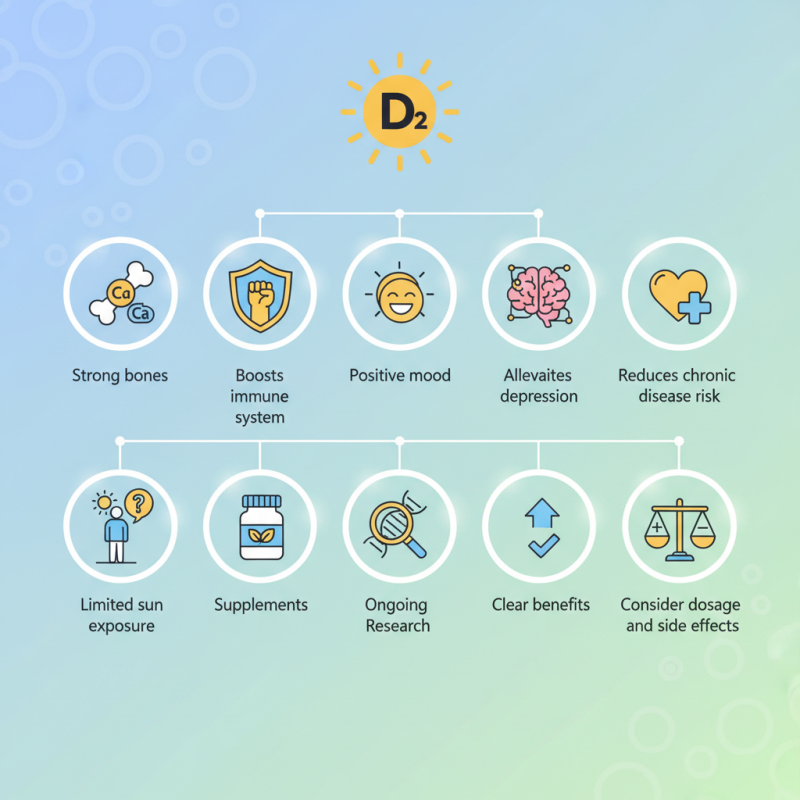
Vitamin D2 plays a crucial role in maintaining overall health. Many people are unaware of its numerous benefits. This vitamin helps your body absorb calcium, which is essential for strong bones. It also boosts the immune system, making it vital during flu season.
Beyond bone health, Vitamin D2 can positively impact mood. Studies suggest it may help alleviate depression symptoms. This connection between sunlight, Vitamin D2, and mental well-being is fascinating. Additionally, it may reduce the risk of chronic diseases. However, not everyone gets enough sunlight for natural Vitamin D2 production.
Some supplements contain Vitamin D2, which is beneficial for individuals with limited sun exposure. Yet, one must consider the dosage and potential side effects carefully. There is still much to explore about Vitamin D2. Its benefits are clear, but ongoing research is necessary to understand it fully.
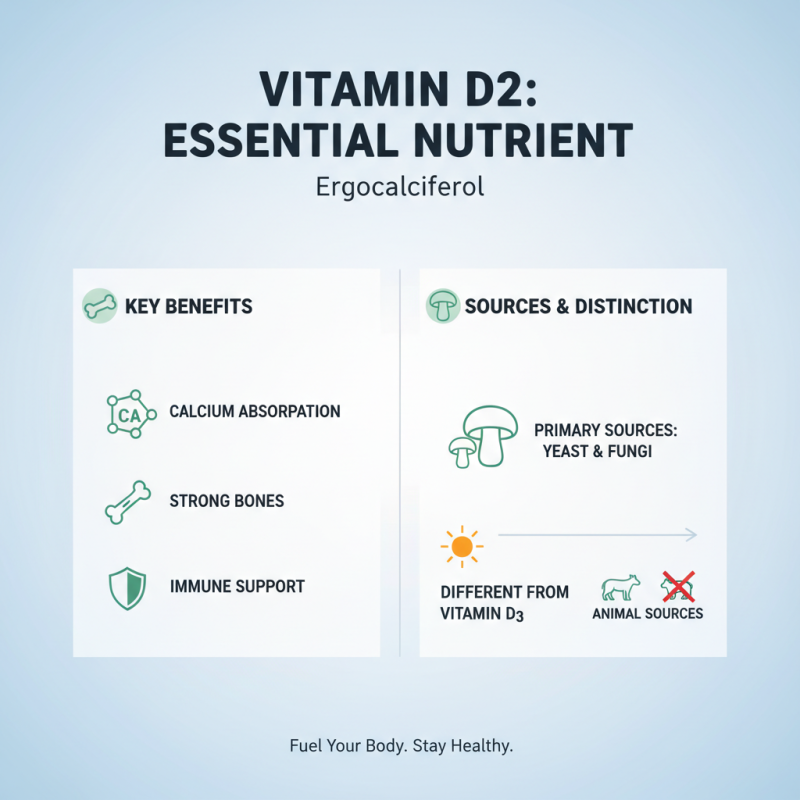
Vitamin D2, also known as ergocalciferol, is an essential nutrient that aids in calcium absorption. It plays a crucial role in maintaining healthy bones and supports immune function. Vitamin D2 is primarily sourced from yeast and fungi, making it different from vitamin D3, which is derived from animal sources.
You can obtain vitamin D2 through dietary sources, such as mushrooms, especially those exposed to sunlight. Fortified foods like certain dairy products and cereals may also contain vitamin D2. However, many people struggle to get enough vitamin D2 through diet alone, leading to potential deficiencies. This can result in health issues, including weakened bones and decreased immune response.
Sun exposure is another natural way to boost vitamin D2 levels. When skin is exposed to sunlight, it synthesizes vitamin D. Nonetheless, individuals living in areas with limited sunlight may find it difficult to maintain adequate levels. Supplements can provide a solution, but it’s essential to use them wisely. Over-reliance on supplements without proper dietary intake can lead to imbalances. Balancing these sources requires thoughtful planning about your health and nutrition.

Vitamin D2 is known for its key role in maintaining a healthy immune system. It helps regulate the immune responses of our body more effectively. This vitamin acts as a bridge, connecting our immunity to overall well-being. Cells in the immune system have receptors for vitamin D2, making it essential for their optimal function.
Studies suggest that sufficient levels of vitamin D2 can enhance the body's defense mechanisms. For instance, it may help reduce the risk of respiratory infections. A deficiency can lead to overactive immune responses, causing inflammation. This, in turn, can result in chronic diseases. While getting enough sunlight is ideal, many people struggle with adequate levels.
Incorporating vitamin D2-rich foods into your diet can be a practical solution. Consider options like mushrooms, which are naturally high in this nutrient. However, relying solely on diet might not be enough for everyone. It's important to reflect on your lifestyle choices and understand your individual needs. Regular check-ups can help assess vitamin levels and overall immunity.
| Benefit | Description | Sources |
|---|---|---|
| Boosts Immune Function | Vitamin D2 plays a critical role in enhancing the pathogen-fighting effects of monocytes and macrophages. | Mushrooms, Fortified Foods |
| Supports Bone Health | Helps regulate calcium and phosphate in the body, essential for maintaining strong bones. | Fortified Milk, Egg Yolk |
| Enhances Mood | Adequate levels of vitamin D2 have been linked to improved mood and reduced risk of depression. | Fatty Fish, Cod Liver Oil |
| May Reduce Cancer Risk | Some studies suggest that vitamin D2 may play a role in reducing the risk of certain cancers. | Sunlight, Mushrooms |
| Improves Muscle Strength | Vitamin D2 helps improve muscle strength and function, especially in older adults. | Eggs, Fortified Foods |
| Supports Heart Health | Vitamin D2 may contribute to cardiovascular health by influencing heart function. | Fatty Fish, Fortified Dairy |
| Assists in Weight Management | Helps regulate metabolism and weight; adequate levels can assist with weight loss efforts. | Mushrooms, Supplements |
| May Improve Respiratory Health | Vitamin D2 has been shown to improve respiratory health and reduce asthma symptoms. | Fortified Foods, Sun exposure |
| Promotes Healthy Pregnancy | Essential for healthy fetal development and may prevent complications during pregnancy. | Sunlight, Dairy products |
| Enhances Gut Health | Vitamin D2 is linked to improved gut microbiota, influencing overall digestive health. | Fermented Foods, Dairy |
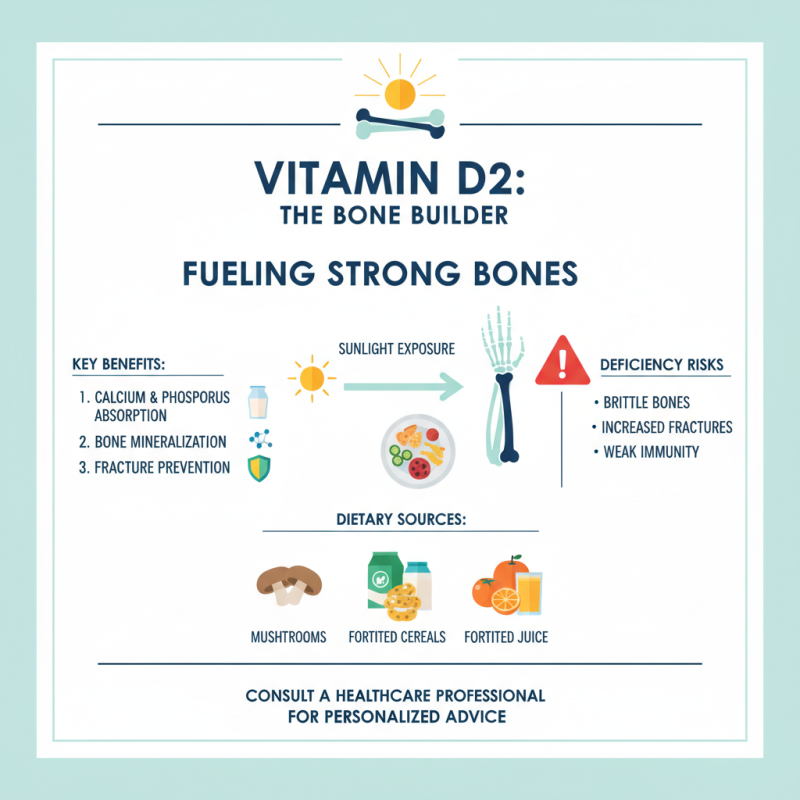
Vitamin D2 plays a significant role in bone health and mineralization. It helps the body absorb calcium and phosphorus, two essential minerals for strong bones. A deficiency in vitamin D2 can lead to brittle bones and increased risk of fractures. Increased sunlight exposure can help, but for some, this is not enough. Diet plays a crucial role here.
Foods rich in vitamin D2 include mushrooms and fortified products. However, not everyone consumes these regularly. This deficiency can lead to health issues that are often overlooked. Regular checks for vitamin levels are vital for maintaining optimal bone health. Everyone should evaluate their intake and lifestyle choices.
Beyond dietary sources, supplementation may be necessary for some individuals. This must be approached with caution. It’s essential to reflect on one’s specific needs and consult health professionals. The balance of minerals in the body relies heavily on proper vitamin D2 levels. Not everyone is aware of their status, leading to potential health risks.
Vitamin D2 plays a significant role in enhancing mood and mental wellbeing. Research shows that it can help alleviate feelings of sadness and anxiety. People who lack sufficient vitamin D2 often report higher instances of mood disorders. Supplementing with this vitamin may offer a natural boost to emotional health.
The connection between vitamin D2 and serotonin production is noteworthy. Serotonin is a key hormone that stabilizes mood, feelings of happiness, and overall emotional state. Low levels of this hormone can lead to depression. In areas with limited sunlight, many individuals face vitamin D2 deficiencies, potentially leading to increased mood issues.
Incorporating vitamin D2-rich foods into your diet can make a difference. Mushrooms, fortified grains, and certain types of fish are excellent sources. It's important to reflect on your habits and ensure you’re getting enough of this beneficial nutrient. Life can be busy, making it easy to overlook these dietary needs. Taking steps to improve your vitamin D2 intake can have positive effects on your overall mood and mental clarity.
Vitamin D2 offers various health benefits, but it is essential to consider potential risks. One concern is the possibility of toxicity. While Vitamin D2 is generally safe, excessive intake can lead to hypercalcemia. This condition causes high calcium levels, leading to nausea and kidney issues.
Individuals with certain health conditions should be cautious. Those with liver disease might struggle to metabolize Vitamin D2 effectively. It's also important to monitor levels regularly. Some people may not react well to supplementation, feeling fatigued or experiencing digestive discomfort.
Interactions with medications can occur as well. For example, some drugs can affect Vitamin D metabolism. Always discuss with a healthcare provider before starting any supplement. Personal health status can vary significantly. What works for one person might not work for another. Awareness of these risks is crucial for safe supplementation.