Top Benefits of Amino Acid Supplements for Muscle Growth and Recovery
Amino Acid Supplements have gained immense popularity among fitness enthusiasts and athletes seeking to optimize their muscle growth and recovery. As the building blocks of proteins, amino acids play a crucial role in muscle repair and synthesis, making these supplements a vital component of many training regimens. According to Dr. Sarah Johnson, a renowned nutrition expert and exercise physiologist, "Incorporating amino acid supplements can dramatically enhance recovery times and improve overall muscle performance." This statement encapsulates the importance of amino acids in the realm of fitness, highlighting their multifaceted benefits.
From reducing muscle soreness to supporting lean muscle mass, the advantages of Amino Acid Supplements are both compelling and scientifically supported. They not only aid in repairing muscle tissue following strenuous workouts but also help in preventing muscle wastage during periods of caloric deficit. As the science behind these supplements evolves, more individuals are recognizing their value, not just for athletes, but for anyone looking to elevate their fitness journey. The integration of such supplements into a balanced regimen can lead to remarkable improvements in both physical performance and recovery.

Understanding Amino Acids and Their Role in Muscle Physiology
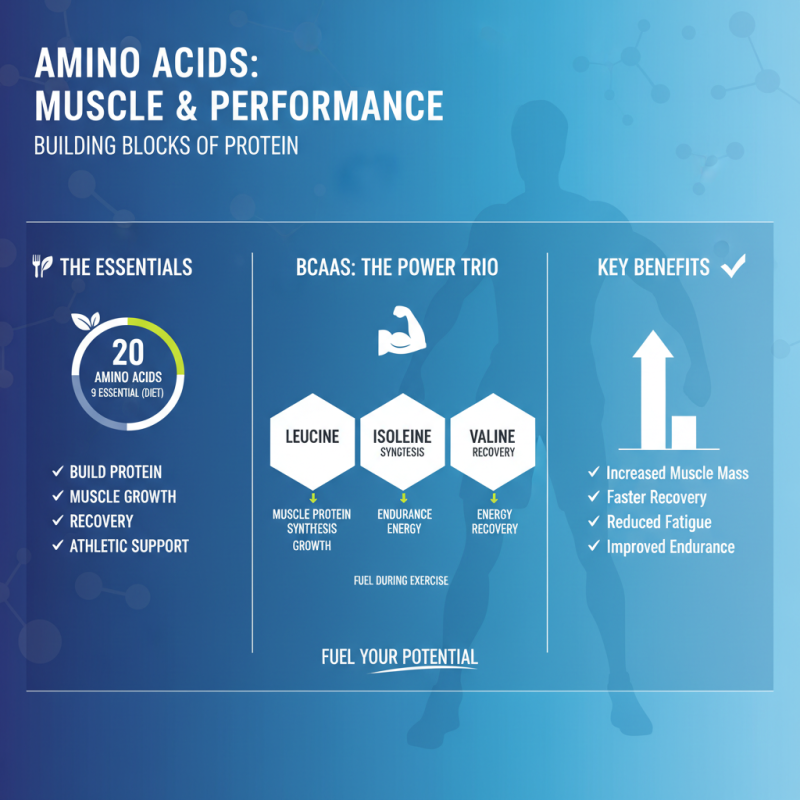
Amino acids play a crucial role in muscle physiology, serving as the building blocks for proteins that are essential for muscle growth and repair. When we exercise, particularly during resistance training, our muscle fibers experience micro-tears that need to be repaired. Amino acids facilitate this recovery process by promoting protein synthesis, essential for rebuilding and strengthening muscle tissue. Among the 20 different amino acids, nine are categorized as essential, meaning our bodies cannot produce them and they must be obtained from our diet or supplements.
TIP: To maximize muscle recovery, consider consuming a source of amino acids both before and after workouts. This can enhance your body’s ability to repair itself and build new muscle fibers more effectively.
In addition to promoting muscle growth, amino acids also play a role in regulating various metabolic processes. Branched-chain amino acids (BCAAs), for example, can help decrease muscle soreness and fatigue, making it easier to maintain a consistent workout routine. Incorporating adequate protein in your diet can ensure you’re getting these vital nutrients to support your fitness goals.
TIP: Focus on a balanced diet rich in protein sources, such as lean meats, dairy products, and legumes, to naturally boost your amino acid intake while supporting overall health and wellness.
Top Benefits of Amino Acid Supplements for Muscle Growth and Recovery
| Benefit |
Description |
Amino Acids Involved |
Recommended Dosage |
| Muscle Protein Synthesis |
Amino acids help stimulate the process of muscle protein synthesis, promoting muscle growth. |
Leucine, Isoleucine, Valine |
5-20 grams post-workout |
| Enhanced Recovery |
Amino acids can reduce muscle soreness and speed up recovery after intense workouts. |
Glutamine, Arginine |
5-10 grams post-workout |
| Improved Endurance |
Certain amino acids help delay fatigue, allowing for improved endurance and performance during exercise. |
BCAAs (Branched-Chain Amino Acids) |
5-10 grams before workout |
| Reduced Muscle Breakdown |
Amino acids help to prevent muscle breakdown during periods of stress, training, or caloric deficit. |
Leucine, Glutamine |
5 grams daily |
| Supports Immune Function |
Amino acids play a role in supporting the immune system, especially during times of heavy training. |
Glutamine, Arginine |
5 grams daily |
The Importance of Amino Acid Supplements in Muscle Growth
Amino acid supplements play a crucial role in muscle growth and recovery, offering a range of benefits that are backed by emerging research. These supplements provide the essential building blocks for protein synthesis, which is vital for muscle repair and development. According to a report by the International Society of Sports Nutrition, the consumption of essential amino acids, particularly branched-chain amino acids (BCAAs), can stimulate muscle protein synthesis and enhance recovery after intense exercise. This is especially important for athletes and fitness enthusiasts who undergo rigorous training regimes, as maintaining an optimal amino acid balance can promote faster recovery, reducing muscle soreness and downtime.
Moreover, amino acid supplements contribute to increased muscle mass, particularly when combined with resistance training. A study published in the Journal of the International Society of Sports Nutrition found that subjects who supplemented with amino acids before and after workouts saw a significant increase in lean muscle mass compared to those who did not. This aligns with findings from other research indicating that a consistent intake of amino acids can help maintain a positive nitrogen balance, a state necessary for muscle hypertrophy. Thus, for anyone looking to optimize their fitness regimen, incorporating amino acid supplements can be an effective strategy to enhance muscle growth and facilitate quicker recovery.
Top Benefits of Amino Acid Supplements for Muscle Growth and Recovery
Amino acid supplements offer several benefits that significantly aid muscle growth and recovery. The chart illustrates various advantages including muscle growth, recovery time, strength increase, endurance, and fatigue reduction. Each benefit is represented as a percentage to highlight its impact on athletes and fitness enthusiasts.
How Amino Acid Supplements Enhance Recovery Post-Workout
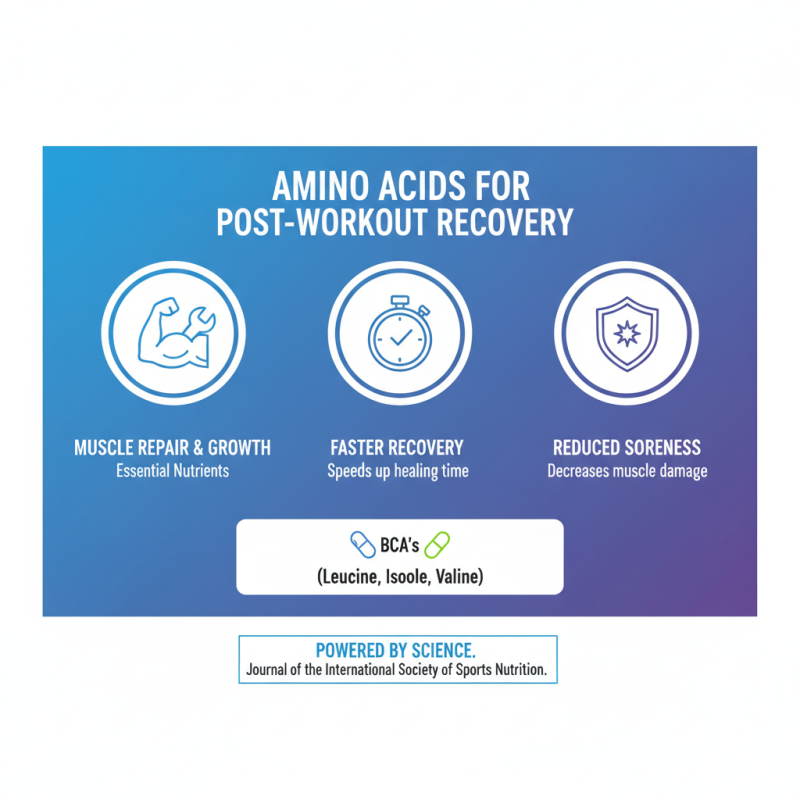
Amino acid supplements play a crucial role in enhancing recovery post-workout by providing essential nutrients that facilitate muscle repair and growth. Research indicates that branched-chain amino acids (BCAAs), which include leucine, isoleucine, and valine, significantly reduce muscle soreness and speed up recovery time. According to a study published in the Journal of the International Society of Sports Nutrition, subjects who consumed BCAA supplements experienced a notable decrease in muscle damage markers like creatine kinase, highlighting their effectiveness in mitigating the oxidative stress associated with intense exercise.
Moreover, amino acid supplementation can help replenish energy stores following strenuous workouts. A report from the Nutrients journal suggests that a combination of amino acids can increase protein synthesis and reduce the time required for muscle glycogen restoration. This accelerated recovery is vital for athletes and fitness enthusiasts who engage in regular high-intensity training, as it allows them to maintain performance levels and reduce downtime between workouts. With amino acid supplementation, individuals can optimize their recovery processes, ensuring they return to their training regimens stronger and more prepared.
Different Types of Amino Acids and Their Unique Benefits
Amino acids are the building blocks of proteins and play a crucial role in muscle growth and recovery. There are 20 different amino acids, nine of which are considered essential, meaning they must be obtained through diet as the body cannot synthesize them. Each amino acid has its unique benefits that contribute to athletic performance. For instance, leucine is particularly notable for its ability to stimulate muscle protein synthesis, making it essential for those looking to build and maintain muscle mass. Simultaneously, isoleucine and valine, two other branched-chain amino acids (BCAAs), support endurance by providing energy during prolonged exercise.
Another important class of amino acids includes glutamine and arginine, which are known for their recovery benefits. Glutamine helps in preventing muscle breakdown and supports immune function, crucial for athletes who undergo intense training. Arginine, on the other hand, is involved in nitric oxide production, which can enhance blood flow and nutrient delivery to muscles, promoting quicker recovery and improved performance. By understanding the unique roles these amino acids play, individuals can tailor their supplementation to optimize muscle growth and enhance recovery, ensuring they are well-equipped for their fitness goals.
Recommended Dosages and Timing for Optimal Results
When it comes to amino acid supplements, timing and dosage play crucial roles in maximizing their benefits for muscle growth and recovery. To enhance exercise performance and post-workout recovery, consuming amino acids before and after training can significantly impact muscle synthesis. A dosage of 5 to 10 grams of branched-chain amino acids (BCAAs) taken about 30 minutes before a workout can help decrease muscle soreness and fatigue, allowing for more intense training sessions.
Post-workout, the body is in a prime state to absorb nutrients. Consuming another 5 to 10 grams of amino acids within 30 minutes after exercise can further assist in muscle repair and growth. For those engaged in intense training or bodybuilding, a daily intake of leucine-rich supplements may also be beneficial, as leucine is known to trigger muscle protein synthesis effectively. It's essential to tailor these dosages according to individual needs and fitness levels, adjusting based on the intensity of the workouts and overall dietary protein intake for optimal recovery and muscle development.